
Hair loss is a big problem for millions of women around the world. It can really hurt their confidence and how they feel about themselves. Minoxidil has been shown to work well, helping hair grow back and making hair look thicker.
Women who are losing their hair have hope with effective treatments like Minoxidil. It makes hair follicles bigger and helps hair grow longer. This means women can have thicker, healthier-looking hair.
Key Takeaways
Minoxidil is an FDA-approved medication for women’s hair loss.
It promotes hair regrowth and reduces thinning.
Effective treatment options are available for female hair loss.
ROGAINE is a dermatologist-recommended brand for thinning hair.
Consistent use of Minoxidil is necessary to maintain results.
Understanding Female Pattern Hair Loss
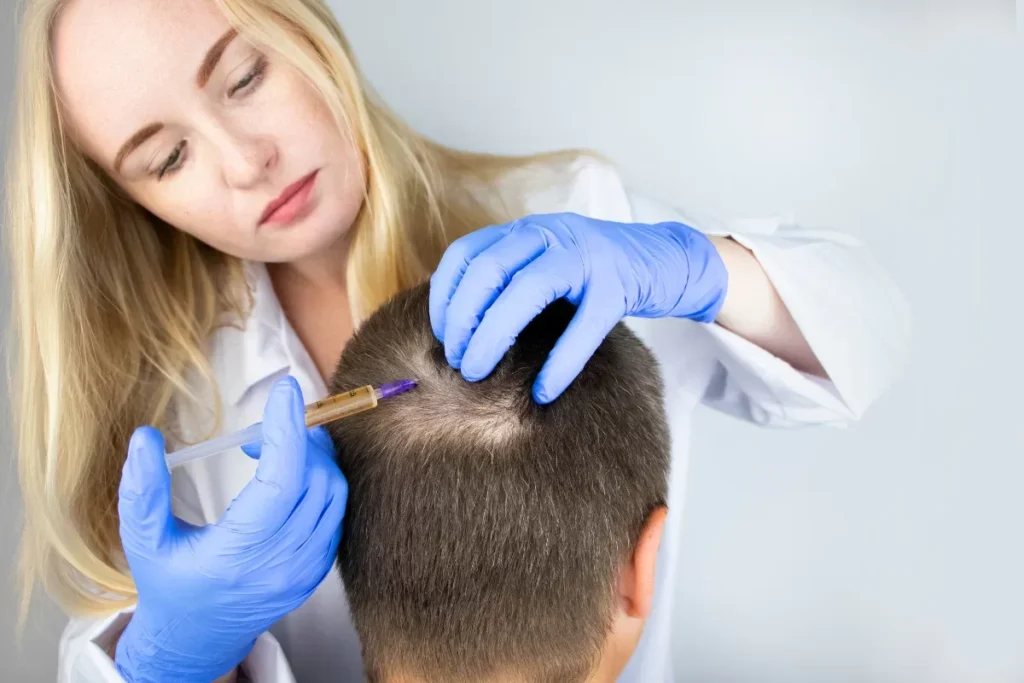
It’s key to understand female pattern hair loss to treat it well. This condition, also known as androgenetic alopecia, affects millions of women. It causes a lot of distress and impacts their life quality.
Prevalence and Impact on Women
Many women don’t know how common female pattern hair loss is. It affects over 30% of women by the age of 70. It’s not just about looks; it also affects their feelings and self-confidence.
The condition gets worse with age. It’s not just about looks; it’s a serious medical issue. It can start as early as puberty and gets worse with time if not treated.
Common Causes of Hair Thinning in Women
Hair thinning in women comes from genetics, hormones, and the environment. Androgens, or male hormones, play a significant role in female pattern hair loss. Other factors include:
Hormonal changes due to menopause or pregnancy
Genetic predisposition
Aging
Certain medical conditions
Knowing the causes helps find the best treatment. It’s not just about treating symptoms. It’s about fixing the problem at its source.
Experts say, “Early treatment and a complete plan are key to fighting female pattern hair loss.” This shows why getting professional help is important if you’re losing hair.
Does Minoxidil Work for Women? Clinical Evidence
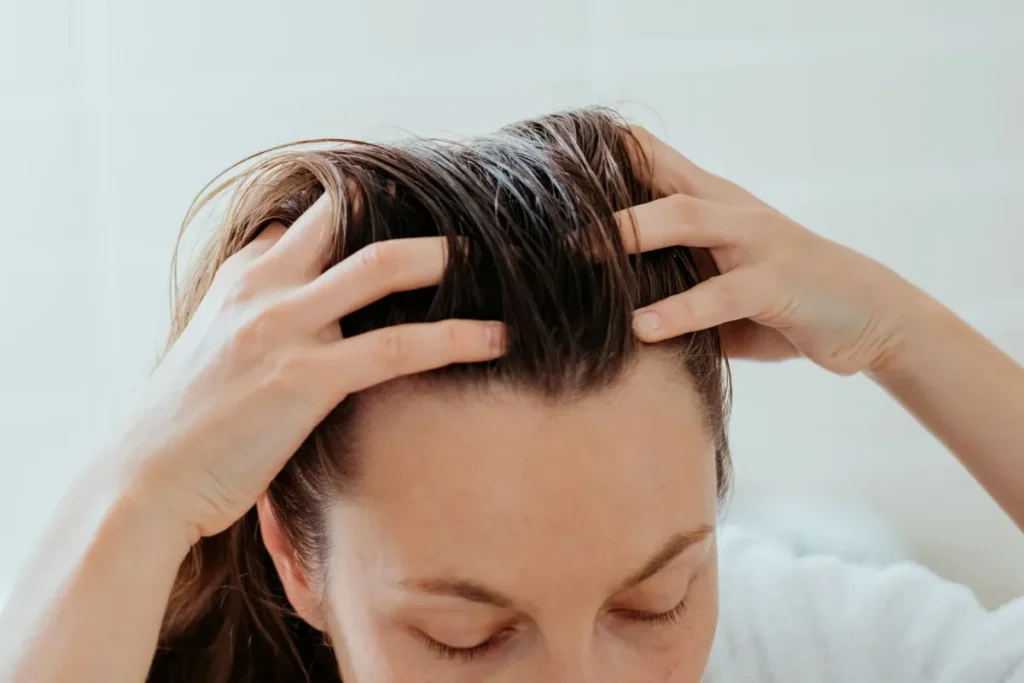
Minoxidil is a possible solution for women with hair loss, backed by research. It has shown promise in treating female pattern hair loss. This has given us insights into its benefits and possible downsides.
FDA Approval and Mechanism of Action
The FDA has approved Minoxidil for treating female pattern hair loss. It works by widening blood vessels and improving scalp blood flow. Clinical trials have shown it can increase hair density and promote regrowth in women.
Comparing 2% vs 5% Minoxidil Effectiveness
Research has looked at 2% and 5% Minoxidil concentrations. A 48-week study found 5% Minoxidil to be more effective in promoting hair growth. Yet, the 2% concentration might be better for those with sensitive scalps or side effects at higher doses.
The 5% concentration is more effective for promoting hair growth.
The 2% concentration may be better tolerated by women with sensitive scalps.
Both concentrations have been shown to be effective in clinical trials.
Proper Application Methods
To get the most out of Minoxidil, applying it correctly is key. Apply Minoxidil directly to the scalp, massaging it in well. Use 1 ml, twice a day. Being consistent is important, as irregular use can lessen its effect.
Potential Side Effects and Considerations
Minoxidil is usually safe, but it can cause scalp irritation, itching, and redness. Following the recommended dosage and application guidelines can help avoid side effects. Women with sensitive scalps might want to start with a lower concentration to see how they react.
In summary, Minoxidil is a proven treatment for female pattern hair loss. Understanding the differences in concentrations, how to apply it, and possible side effects helps women make informed choices. This knowledge is key to using Minoxidil effectively in their hair regrowth journey.
Additional Treatment Options for Female Hair Loss
Women have many ways to fight hair loss, aside from Minoxidil. Minoxidil is a common choice, but other treatments might work better for some. This depends on the cause of hair loss, health, and personal likes.
Prescription Medications and Hormonal Treatments
Prescription medications can help some women. Finasteride, often used for men, might be given to women too. But, it works differently for everyone. Hormonal treatments are also an option, if hair loss is due to hormone issues.
For example, anti-androgen medications like spironolactone can help. They reduce male hormones that harm hair follicles. A study in the Journal of Clinical and Aesthetic Dermatology shows hormonal therapies can treat female hair loss. Always talk to a doctor to find the right treatment for you.
Hair Restoration Procedures and Technologies
Hair restoration procedures have improved a lot. They offer hope for women with a lot of hair loss. Here are some options:
Platelet-rich plasma (PRP) therapy: This involves injecting PRP into the scalp to boost hair growth.
Low-level laser therapy (LLLT): It uses lasers or LEDs to help hair grow.
Hair transplantation: A surgery that moves healthy hair follicles to thinning spots.
Lifestyle, Diet, and Supplement Approaches
Changing your lifestyle and diet can help your hair. Eating enough vitamins and minerals, like biotin, vitamin D, and iron, is key. A diet full of omega-3s, zinc, and antioxidants also supports hair growth.
Also, reducing stress and avoiding too much heat styling helps keep your scalp healthy.
By trying different treatments and making healthy lifestyle choices, women can fight hair loss and help their hair grow back.
Conclusion: Creating Your Personalized Hair Regrowth Plan
Exploring female hair loss and treatment options shows that regrowing hair is complex. Understanding hair thinning causes and trying treatments like Minoxidil is a good start. This can help women regain their hair.
Creating a personalized hair regrowth plan is key to success. It means using medical treatments like Minoxidil and making lifestyle and hair care changes. This approach helps women achieve a fuller, healthier head of hair.
Choosing the right hair loss treatments and focusing on women’s hair restoration can change lives. It’s a journey to regain confidence and celebrate natural beauty. Taking charge of hair growth leads to a transformation that shines from within.
FAQ
What is the most effective treatment for female hair loss?
Minoxidil is a top choice for treating female hair loss. It’s proven to work and is approved by the FDA. It helps grow hair.
How does Minoxidil work for women’s hair loss?
Minoxidil makes hair follicles bigger and keeps hair growing longer. It comes in 2% and 5% strengths. The 5% version works better for many women.
What are the differences between 2% and 5% Minoxidil?
The 5% Minoxidil solution is stronger, leading to thicker hair. But, it might cause more scalp irritation.
Are there any other treatment options for female hair loss beside Minoxidil?
Yes, there are other options. These include spironolactone, low-level laser therapy, and platelet-rich plasma therapy. Lifestyle changes like a healthy diet and less stress also help.
Can hormonal treatments help with female hair loss?
Hormonal treatments, like birth control or hormone therapy, can help with hair loss due to hormonal issues. But, always talk to a doctor first.
How long does it take to see results from Minoxidil treatment?
Seeing results from Minoxidil can take months to a year or more. Hair growth is slow.
What are the common side effects of Minoxidil?
Side effects of Minoxidil include scalp irritation, itching, and redness. Rare but serious side effects like allergic reactions can also happen.
Can I use Minoxidil with other hair loss treatments?
Yes, you can use Minoxidil with other treatments. Always do this under a doctor’s guidance.
Is Minoxidil suitable for all types of female hair loss?
Minoxidil works best for female pattern hair loss. It might not work as well for hair loss from other causes, like autoimmune disorders or nutritional issues.
How can I create a personalized hair regrowth plan?
To make a plan, talk to a healthcare professional or dermatologist. They can help figure out why you’re losing hair and suggest the best treatment.
References
National Center for Biotechnology Information. Evidence-Based Medical Insight. Retrieved from https://pubmed.ncbi.nlm.nih.gov/21410638/