Finding hair on your pillow or in the shower drain can be scary. But knowing the difference between normal hair shedding and hair loss is important. It helps you feel good about how you look.
Trichologist Dominic Burg says our hair follicles cycle at different times. This means about 100 hairs fall out every day. It’s a natural part of life, but too much hair falling out is a worry for many.
GoldCity Center offers top-notch medical care and focuses on you. They help you tell if your hair is just renewing itself or if you need help.
Key Takeaways
Understand the distinction between normal hair shedding and hair loss.
Learn how to identify excess hair shedding.
Discover proven methods to reduce hair shedding.
Explore the expertise offered by GoldCity Center for hair health.
Take the first step towards maintaining a healthy scalp.
Understanding Hair Shedding vs. Hair Loss
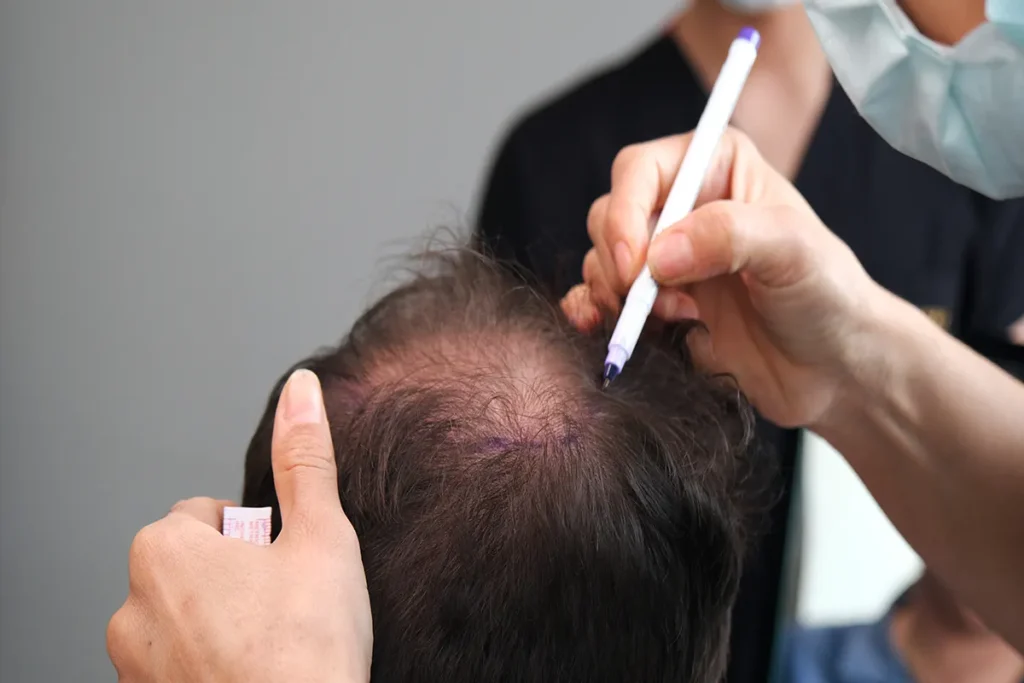
It’s important to know the difference between hair shedding and hair loss. They are not the same, even though people often mix them up. Each has its own role in how our hair looks and feels.
Hair shedding is a normal part of life. It happens when hair falls out as it grows. Most people lose 50 to 100 hairs every day. But, if you’re losing more than that, it might be a sign of a problem.
What Is Normal Hair Shedding?
Shedding is a natural part of the hair cycle. It’s when old hair makes way for new growth. Losing 50 to 100 hairs a day is normal. But, things like how we take care of our hair and our health can affect this.
Dermatologist Rachel Nazarian says that things like bad food, medicine, stress, and hormonal changes can make you shed more. Eating well and managing stress can help.
Signs of Excessive Shedding
Excessive shedding shows up in different ways. You might notice:
More hair falling out when you comb or wash
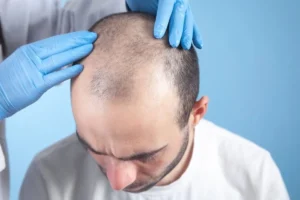
Thinning hair, mainly around the crown or temples
Long-term hair loss
If you see these signs, it’s time to see a doctor or dermatologist. They can find out why you’re shedding so much.
The Hair Growth Cycle Explained
The hair growth cycle has three stages: anagen (growth), catagen (transitional), and telogen (resting). Most hairs are in the anagen phase, which can last years. Knowing this helps us understand why we shed hair and why it’s normal.
Learning about hair shedding and the growth cycle helps us spot hair problems early. We can then take steps to keep our hair healthy and strong.
Does Shedding Hair Grow Back? The Science Explained
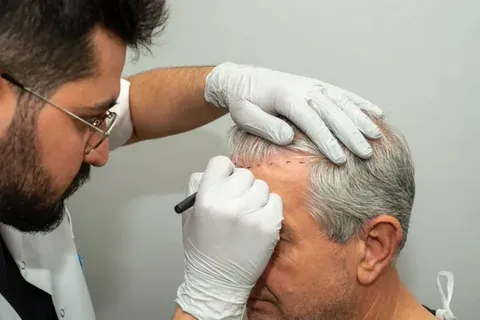
For those worried about hair shedding, the science behind hair regrowth offers reassurance. Hair shedding is a natural process. Most people lose a small percentage of their hair follicles daily without noticeable changes to hair density.
Normal Shedding and Natural Replacement
In a normal scalp, about 80,000 to 120,000 hairs are present. A daily shedding rate of 50 to 100 hairs is considered normal. Trichologist Bridgette Hill advises that concern is warranted if one loses hair just from running fingers through their hair, sees significant hair on pillowcases, or notices larger amounts of hair in the drain when shampooing.
Normal shedding is a part of the hair growth cycle. This cycle includes the anagen phase (growth phase), catagen phase (transitional phase), and telogen phase (resting phase). At the end of the telogen phase, hair enters the shedding phase, after which it is replaced by new hair growth.
Common Causes of Increased Shedding
Increased hair shedding can be triggered by various factors. These include hormonal changes, stress, nutritional deficiencies, and certain medical conditions. Understanding these causes is key to addressing excessive shedding.
Hormonal imbalances, such as those involving thyroid hormones and androgens, can lead to increased shedding.
Stress, both physical and emotional, can push more hairs into the telogen phase. This results in a significant increase in shedding a few months later.
Nutritional deficiencies, such as lack of iron, zinc, or biotin, can affect hair health and lead to excessive shedding.
When to Be Concerned About Regrowth
If you notice persistent or excessive shedding, it’s essential to consult a healthcare professional or dermatologist. They can help identify underlying causes and recommend appropriate treatments. In many cases, addressing the underlying issue can lead to the regrowth of healthy hair.
Regrowth is possible when the cause of shedding is addressed. By understanding the science behind hair shedding and regrowth, individuals can take proactive steps to maintain healthy hair and address concerns about shedding.
Proven Methods to Reduce Hair Shedding
To cut down on hair shedding, you need a mix of good nutrition, proper hair care, and sometimes medical help. By using a full plan, you can lessen hair loss and grow healthier, thicker hair.
Nutrition and Supplementation Strategies
Eating a balanced diet full of key nutrients is key for healthy hair and less shedding. Nutrients like zinc, iron, and vitamins D and B are vital for hair health. Eating foods high in these nutrients can help your hair grow and shed less.
Supplements can also help, mainly if you’re not getting enough nutrients from food. Always talk to a doctor before starting any supplements to make sure they’re right for you.
Effective Hair Care Practices
Using gentle hair care products and practices can really cut down on hair shedding. Choose gentle shampoos and conditioners without harsh chemicals. Also, avoid hot oil treatments and limit heat styling to prevent hair loss.
For more tips on managing hair shedding, check out Byrdie’s guide on how to stop hair shedding for expert advice and more tips.
Medical Treatments and Professional Solutions
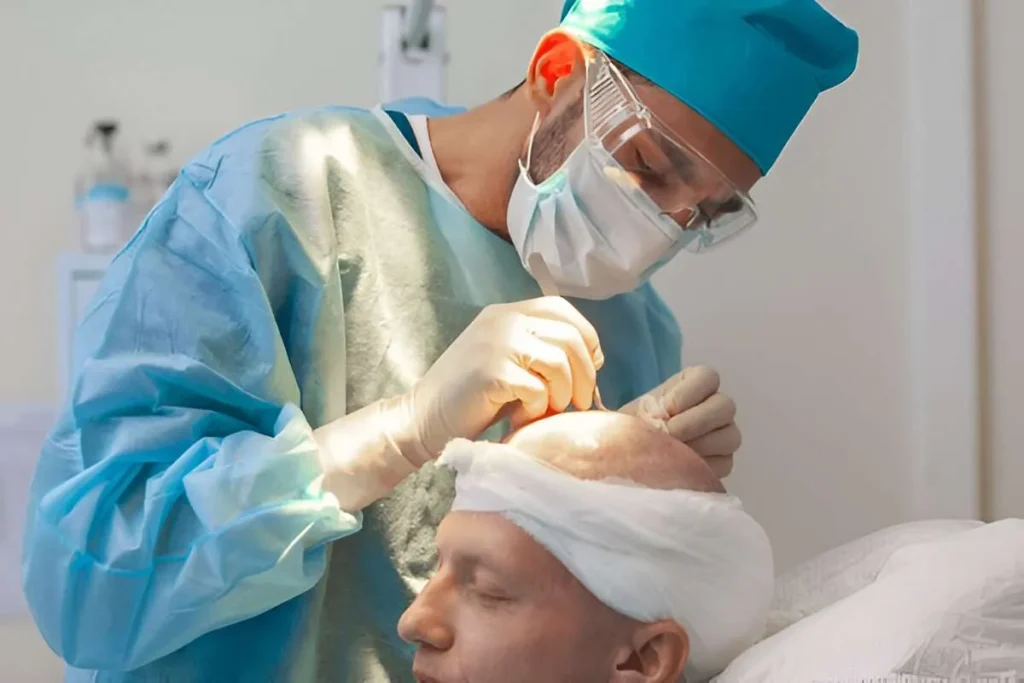
Sometimes, you might need medical help to fix hair shedding problems. Seeing a dermatologist or trichologist can help find the cause and the best treatment. Treatments can include medicines to grow hair or more advanced therapies like PRP therapy.
Medications that promote hair growth
Platelet-rich plasma (PRP) therapy
Low-level laser therapy (LLLT)
Knowing about these treatments and talking to a healthcare expert can help you find ways to reduce hair shedding and keep your hair healthy.
Conclusion
Understanding hair shedding is key to a healthy scalp. Knowing the difference between normal and excessive shedding helps you act fast. This way, you can prevent more hair loss.
To stop hair shedding, try a holistic approach. Eat well, take care of your hair, and manage stress. Quitting smoking and eating right also helps a lot.
Wondering why you shed so much? Look at your lifestyle and hair care. Simple changes like gentle products and less heat styling can help. This way, you can get a fuller, healthier head of hair.
Use what you learned to fight hair shedding and keep your scalp healthy. Start your journey to better hair today.
FAQ
What is the difference between hair shedding and hair loss?
Shedding hair is a natural part of the hair cycle. It happens when hair falls out and grows back. Hair loss, on the other hand, is when you lose more hair than usual. This can be due to genetics, health issues, or how you style your hair.
Is it normal to shed hair daily?
Yes, losing some hair every day is normal. Most people shed between 50 to 100 hairs daily.
How can I tell if I’m experiencing excessive hair shedding?
If you see a lot of hair falling out, it might be too much. Look for hair on your pillow, in the shower, or on your comb. This could mean you’re shedding more than usual.
Does shedding hair grow back?
Usually, hair that sheds grows back. But, some conditions or habits can stop it from growing back.
What are some common causes of increased hair shedding?
Stress, not eating well, hormonal changes, health issues, and too much heat styling can cause more hair to fall out.
How can I reduce hair shedding?
To reduce shedding, eat well, use gentle hair care, and avoid too much heat styling. You might also want to try supplements or see a doctor.
Can humans shed hair naturally?
Yes, humans naturally shed hair. It’s a normal part of the hair cycle. It makes room for new hair to grow.
What nutritional strategies can help reduce hair shedding?
Eating foods rich in protein, iron, zinc, and biotin helps hair grow well. Try foods like salmon, walnuts, and spinach.
Are there any effective hair care practices to minimize shedding?
Yes, using a wide-tooth comb, avoiding too much heat styling, and gentle towel-drying helps. These practices can reduce shedding.
Can medical treatments help with excessive hair shedding?
Yes, treatments like low-level laser therapy (LLLT) or platelet-rich plasma (PRP) therapy can help. They promote hair growth and reduce shedding. Talk to a doctor or dermatologist about these options.
References
National Center for Biotechnology Information. Evidence-Based Medical Insight. Retrieved from https://pubmed.ncbi.nlm.nih.gov/10025758/