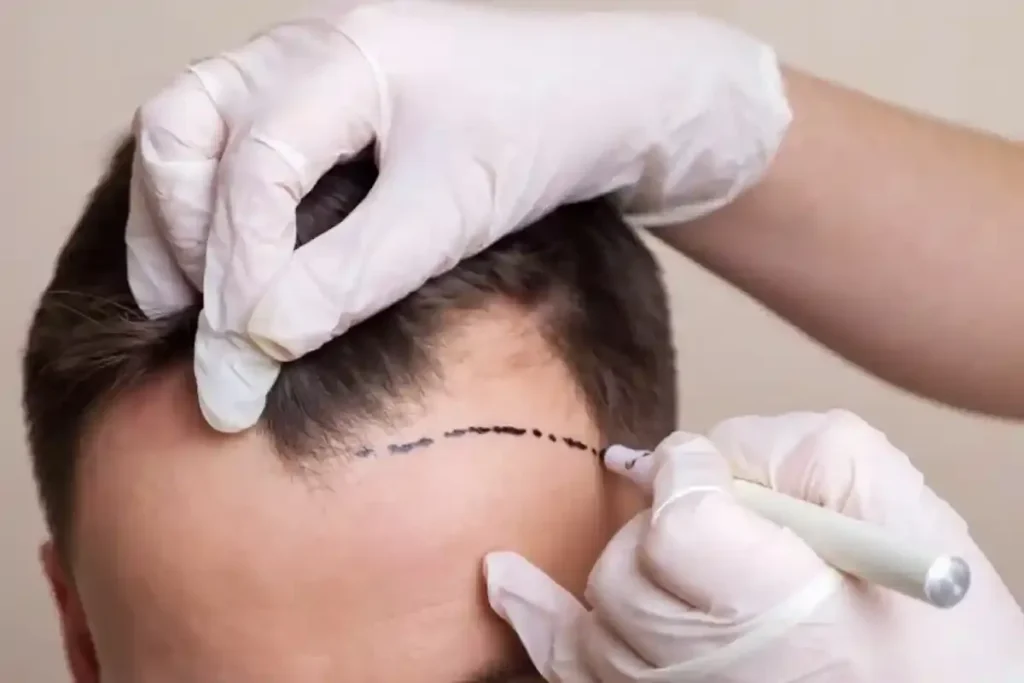
Getting a FUE hair transplant can change your life. But the journey doesn’t stop after surgery. The first month after surgery is key for the donor area’s healing. At first, patients might see swelling, bleeding, and oozing. These are normal signs of the surgery.
As the body heals, the donor area goes through big changes. You might see redness and scabbing. Knowing about these changes helps patients get ready for recovery. It also helps them protect their investment in hair restoration.
At GoldCity Center, patients get full care and clear talk about their hair transplant journey. By knowing what to expect in the first month, patients can feel more confident in their recovery.
Key Takeaways
The first month after FUE hair transplant is critical for donor area recovery.
Patients may experience swelling, bleeding, and oozing initially.
The donor area undergoes significant changes, including redness and scabbing.
Understanding these changes helps patients prepare for recovery.
GoldCity Center provides patient-centered care and transparent communication.
The FUE Donor Area After 1 Month: Healing Progress
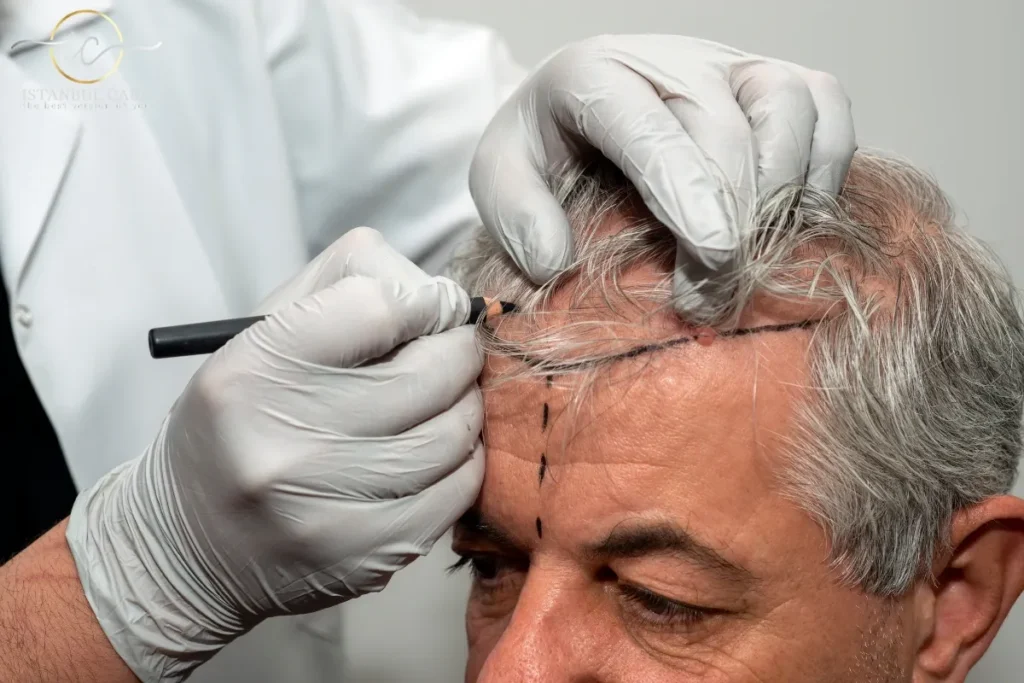
It’s important to know how the FUE donor area heals after a hair transplant. This knowledge helps manage expectations and ensures proper care. The donor area, where follicles are taken, goes through healing stages in the first month.
Initial Post-Operative Appearance (Days 1-7)
In the first week, the donor area might look red and swollen. This is normal as it heals. By day 5-7, most people see the small cuts from the procedure fully healed.
Scab Formation and Shedding (Days 8-14)
As healing continues, scabs form over the extraction sites. These scabs usually start to fall off by days 10-14, showing healed skin. It’s important to be gentle during this time to avoid scab loss.
One-Month Healing Milestones
By the end of the first month, the donor area has healed a lot. The redness and swelling are gone, and most scabs have fallen off. This leaves behind very little scarring.
For more details on the hair transplant process and what to expect after a month, check out Wimpole Clinic’s blog on hair transplant results after 1.
At this point, patients can see the first signs of hair transplant donor area regrowth. While it takes several months to see the full results, knowing about the healing process helps patients feel more confident and ready for what’s next.
Physical Sensations and Care for Your Donor Area
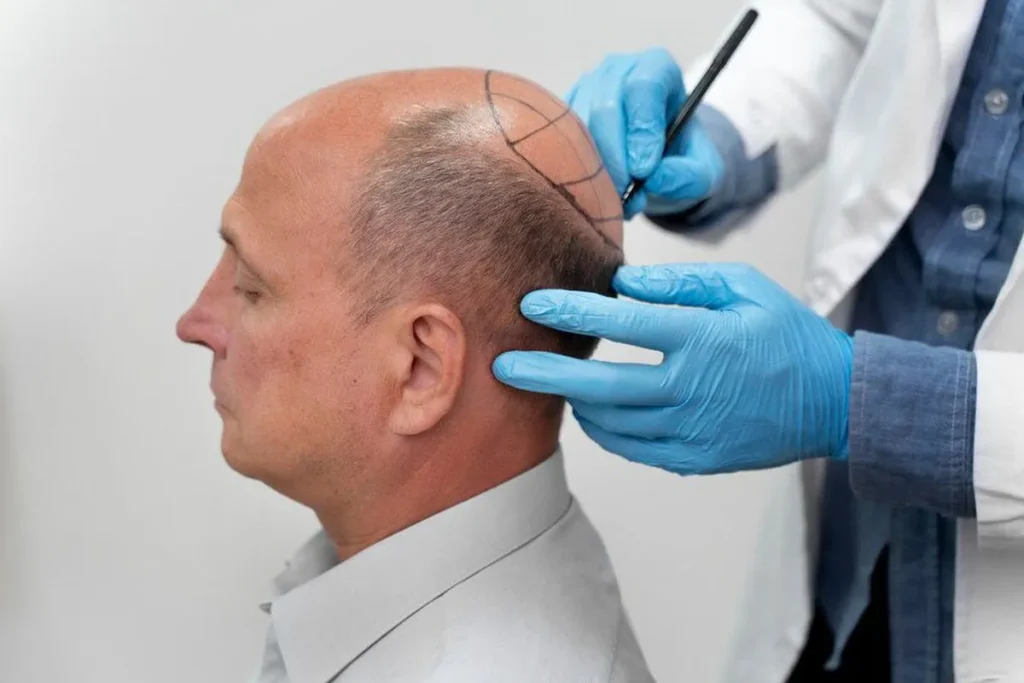
After a hair transplant, knowing what to expect in your donor area is key. You might feel some discomfort, which can be eased with over-the-counter pain meds. You might also feel numb or tingly as nerves heal.
Managing Discomfort and Numbness
Listen to your surgeon about managing pain. Over-the-counter pain medication is often enough, but be careful with dosage. Numbness or tingling usually goes away as nerves heal.
Follow your surgeon’s instructions for pain management.
Use over-the-counter pain relief as directed.
Be patient with numbness or tingling sensations as they usually subside.
Normal vs. Concerning Symptoms
Some discomfort and numbness are okay, but watch for signs that are not normal. Severe pain, excessive bleeding, or signs of infection need immediate attention from your surgeon.
Monitor your symptoms closely.
Keep your surgeon informed about any concerns.
Attend follow-up appointments as scheduled.
Optimal Donor Area Care at One Month
At one month post-transplant, keeping the donor area clean is critical. Follow your surgeon’s post-operative instructions carefully. Gentle care and patience are key to a successful hair transplant.
Key Care Tips:
Gently wash the donor area as instructed.
Avoid strenuous activities that could irritate the area.
Protect the area from direct sun exposure.
By understanding what to expect and how to care for your donor area, you can ensure a smooth recovery and optimal results from your hair transplant procedure.
Hair Regrowth Timeline and Long-Term Recovery
Hair transplant patients often wonder when their donor area hair will start growing back. The time it takes can vary a lot from person to person. But usually, people start seeing signs of regrowth a few weeks to a couple of months after the surgery.
When Donor Area Hair Begins to Regrow
The donor area, where hair follicles are taken during a transplant, starts showing signs of growth 11-50 days after surgery. This early growth might be weak and hard to see at first. But it’s the start of the healing process.
Many things can affect how fast and thick the hair grows back in the donor area. These include:
The person’s health and how well they heal
The hair transplant method used (like FUE or FUT)
How well they follow the surgeon’s care instructions after surgery
As the donor area heals, patients will see big improvements over time. It’s important to be patient and stick to the care routine given by the surgeon to help the hair grow back well.
Complete Healing and Final Appearance
The donor area fully healing and the hair looking its best can take months. Usually, the area should look normal again, including hair around the spots where hair was taken, within 12 months after the transplant. This time lets the area fully recover and the new hair to mature.
During this time, patients might see:
Redness and scabs turning into normal skin color and feel
Hair that starts off fine or weak but gets stronger over time
The donor area becoming less noticeable as it heals and hair grows back
Knowing about the hair regrowth timeline and long-term healing helps patients get ready for their journey. It also helps them get the best results from their hair transplant surgery.
Conclusion
At the one-month mark after FUE hair transplant surgery, the donor area has made significant progress. Any initial redness and swelling should have substantially diminished or resolved completely. This reveals a radiant glow and a key step towards achieving timeless beauty.
As patients continue on their transformative journey, it’s essential to understand that the donor area will continue to heal and regrow over time. Most patients observe nearly full regrowth by 12 months, with the donor area returning to its original state. This luxury transformation is a result of proper care and attention, elevating routines and celebrating individuality.
By understanding the healing process and timeline, individuals can better appreciate the results-driven approach of FUE hair transplants. With a 1 year FUE donor area outcome looking nearly identical to its pre-transplant state, patients can own their beauty and confidence, unlocking their inner glow.
FAQ
What can I expect my donor area to look like 1 month after FUE hair transplant surgery?
At around 1 month, the donor area is usually well healed. Redness and swelling should be minimal or completely gone. Tiny extraction marks typically fade and blend with surrounding skin. Mild pinkness may still be visible in fair-skinned individuals, but the scalp generally looks normal.
Is it normal to experience discomfort or numbness in the donor area after 1 month?
Yes, mild numbness, tightness, or sensitivity can still be normal at one month. This happens because small nerve endings need time to regenerate. These sensations usually improve gradually over the next few weeks to months. Persistent or worsening pain, however, is not normal.
How do I care for my donor area 1 month after FUE hair transplant surgery?
At one month, the donor area can be treated much like the rest of your scalp. You can wash normally using a gentle shampoo, keep the scalp moisturized if dryness occurs, and protect it from excessive sun exposure. Avoid aggressive scratching or harsh chemical products unless your surgeon has confirmed they are safe.
When can I expect my donor area hair to start regrowing after FUE hair transplant surgery?
Donor area hair usually begins to regrow within three to four weeks after surgery. Initially, the hair may look thinner or uneven, but density improves progressively over the next few months as the hair cycle normalizes.
Will my donor area hair grow back fully after FUE hair transplant surgery?
In most cases, donor area hair grows back well and does not appear noticeably thinner. When FUE is performed correctly, the extractions are evenly distributed to preserve natural density. Slight thinning may be visible in cases of overharvesting or if very short hairstyles are worn.
Can I dye or style my donor area hair after FUE hair transplant surgery?
Hair styling and trimming are generally safe once the skin has healed, which is usually within a few weeks. Hair dye or chemical treatments are typically considered safe after four to six weeks, provided there is no irritation or sensitivity. It is best to confirm timing with your surgeon before using any chemical products.
Are there any concerning symptoms I should watch out for in the donor area after FUE hair transplant surgery?
You should contact your surgeon if you notice increasing redness, swelling, pain, pus, fever, or signs of infection. Persistent itching, burning, or worsening patchiness in the donor area may also require medical evaluation.
How long does it take for the donor area to fully heal after FUE hair transplant surgery?
Surface healing usually completes within two weeks, while visible recovery occurs over three to four weeks. Full healing of the skin and underlying nerves can take three to six months, after which the donor area typically looks and feels completely normal.
References
National Center for Biotechnology Information. Effect of Follicular Unit Extraction on the Donor Area. Retrieved from https://pmc.ncbi.nlm.nih.gov/articles/PMC6066700/