

Many people wonder if hair will grow back in the donor area after a FUE (Follicular Unit Extraction) procedure. The answer is yes, but not from the follicles taken out. The hair around them will grow thicker and cover the area.
This natural process makes the area look the same as before in just a few months. It’s a luxury transformation for those wanting to fix their hairline. The latest surgical methods focus on both quick results and keeping the donor area healthy. This ensures a glowing and timeless look.
Key Takeaways
Hair follicles extracted during FUE do not regrow.
Surrounding hair compensates by thickening and covering the donor area.
A natural appearance is restored within months.
Advanced surgical techniques prioritize donor area health.
Patients can expect a luxury transformation with a natural-looking hairline.
Understanding FUE Hair Transplant and Donor Areas
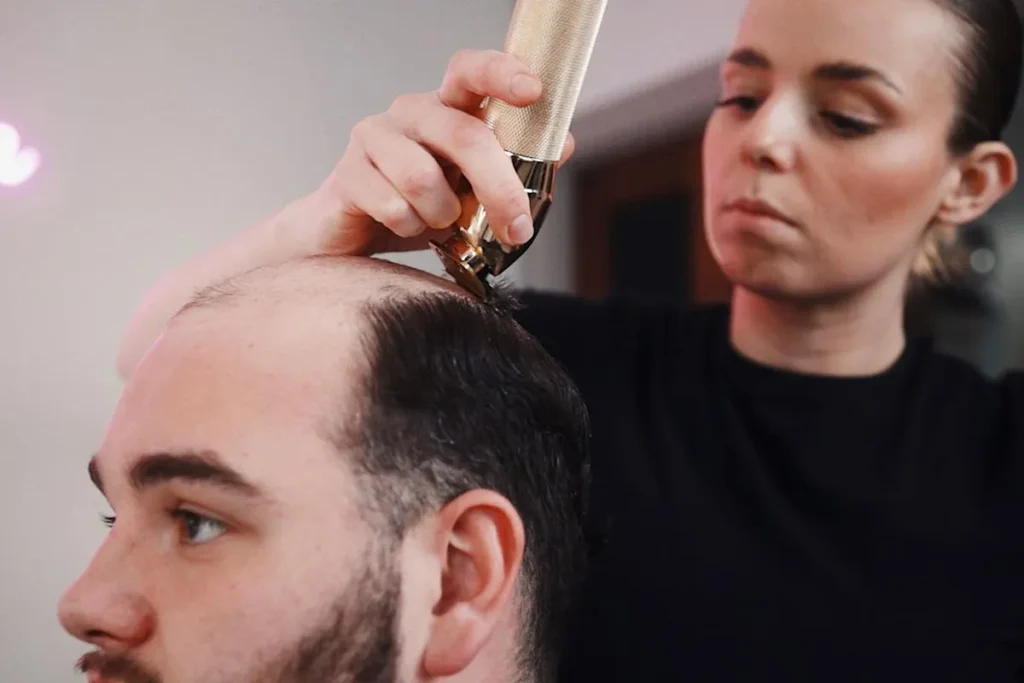
FUE hair transplantation is a detailed process for those thinking about it. Follicular Unit Extraction (FUE) is a method that takes hair follicles from the donor area. It then moves them to areas where hair is thinning.
What is Follicular Unit Extraction (FUE)
FUE is a minimally invasive hair restoration method. It’s changed the way we think about hair transplants. Unlike old methods, FUE takes out individual follicles from the back and sides of the head. This makes the hairline look more natural.
Common Concerns About Donor Area Appearance
Many worry about how the donor area will look after FUE. Will the donor area be noticeable? The answer is no, thanks to FUE’s design. It leaves small scars that are hard to see, even with short hair. The hair around these scars also helps hide them, making the area look natural.
How the Donor Area is Selected and Prepared
The donor area is picked based on hair density and resistance to hair loss. The back and sides of the head are usually chosen because they don’t go bald as easily. Before the transplant, the hair in this area is cut to the right length. The surgeon then marks the follicles to be taken, making the process precise and quick.
Knowing about FUE and the donor area helps people make better choices for their hair. The success of FUE lies in its ability to provide natural-looking results with little downtime. This makes it a great choice for those wanting to fix their hairline.
The Science Behind Donor Area Recovery
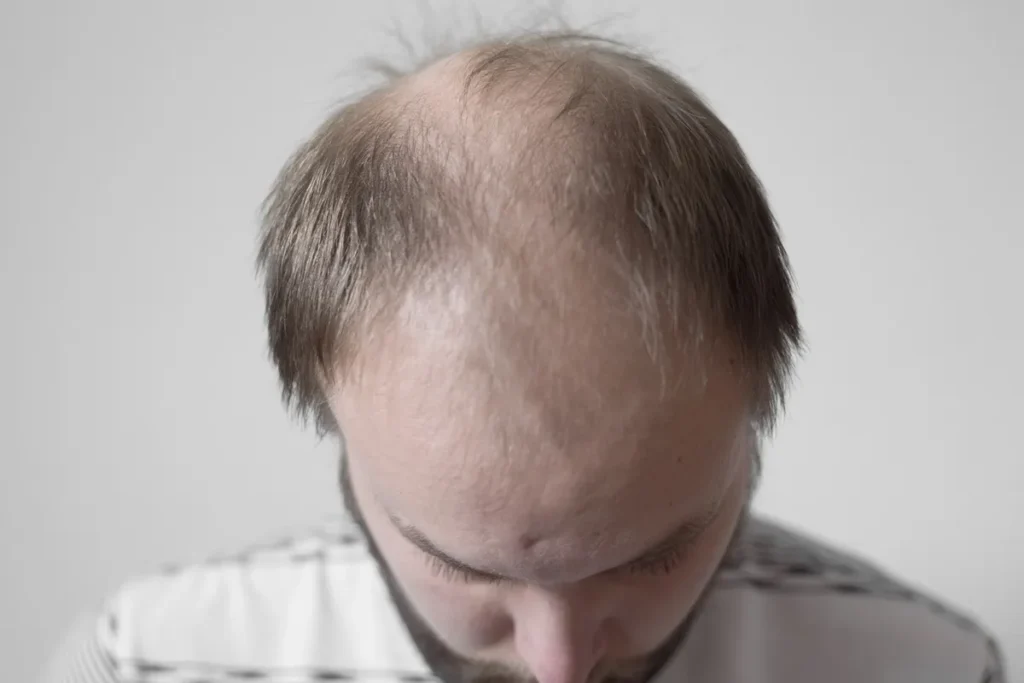
Understanding the science behind donor area recovery is key for those thinking about hair transplant surgery. It involves many biological and physiological factors. These factors affect how the donor area heals and how hair grows.
Do Extracted Hair Follicles Grow Back?
Many worry if hair follicles taken out during Follicular Unit Extraction (FUE) will grow back. The answer is yes, but not where they were taken from. Instead, the follicles are transplanted to the recipient sites where they will grow new hair.
Medical Expert, a top hair restoration surgeon, says, “The extracted follicles don’t regrow in the donor area. But, the hair around them covers the spots, making it hard to see.” Recovering from hair transplant surgery means knowing this and what to expect during healing.
How Surrounding Hair Compensates for Extracted Follicles
The hair around the donor area helps hide where follicles were taken. This density covers the spots, making FUE less obvious. The body’s healing also helps the donor area recover, with sites healing in a few days to a week.
Factors Affecting Donor Area Healing
Many things affect how the donor area heals after FUE. These include the surgeon’s skill, the extraction method, and after-care. A skilled surgeon and proper care ensure quick healing and less scarring.
The healing process involves several important factors:
The technique used for FUE
The skill and experience of the surgeon
Post-operative care instructions
The individual’s overall health and healing capabilities
By understanding these factors and taking the right steps, people can improve their recovery. This leads to the best results from hair transplant surgery.
FUE Donor Area After 3 Months: Healing Timeline
Knowing how the donor area heals after FUE is key. It helps manage expectations and ensures a smooth recovery. The healing process is a journey that needs patience and care.
First Week Post-Procedure
Healing starts right after the FUE procedure. The donor area might be red, swollen, and scabby. It’s important to follow the post-op instructions carefully to avoid problems and help healing.
During this time, the donor area is very sensitive. Gentle care is essential.
7-10 Days After Extraction
As healing goes on, scabs usually fall off in 7-10 days. Avoid picking or scratching scabs to prevent infection or scars. By then, the area starts to look more normal, though it might be a bit red or pink.
The Three-Month Milestone
By three months, the donor area looks much better. The redness fades, and scabbing goes away. It’s on its way to looking natural and full.
Experts say the transplanted hairs will grow naturally. The donor area will keep healing. For more on recovery, check this resource.
Six Months and Beyond
By six months, the donor area is almost back to normal. The healing is almost done, and it looks and feels like before. It shows how well the body can heal and how effective FUE is.
As the transplanted hairs grow, the results become clearer. This leads to a luxury transformation in one’s look.
The healing timeline for the donor area after FUE is gradual. It requires patience. Key milestones include:
Initial redness and scabbing
Scabs falling off within 7-10 days
Significant improvement by three months
Near-complete healing by six months
Understanding and following the healing timeline helps manage expectations. It ensures the best results from FUE hair transplantation.
Conclusion: Managing Expectations for Donor Area Recovery
Understanding FUE hair transplant and the donor area is key for success. The donor area’s recovery is a big part of the hair restoration journey.
Patients often ask if the hair follicles will grow back. The answer is yes, through the body’s healing and good care. Usually, patients see a lot of growth in three months, and it keeps getting better.
It’s important to manage your expectations for a good experience. The surgeon’s skill, your health, and following care instructions matter a lot. With the right care and expectations, you can see great results, including a lot of hair growth.
Knowing about FUE and how to care for your donor area helps you make smart choices. This leads to a more confident and radiant look.
FAQ
Does hair regrow in the donor area after FUE?
The follicles taken out don’t grow back. But, the hair around them fills in. This makes the donor area look like it’s fully healed.
How long after a hair transplant does hair grow?
It takes about three to four months for the transplanted hair to start growing. You’ll see clear results in six to twelve months.
What happens to the donor area three months after a hair transplant?
By three months, the donor area heals a lot. Any redness or scabs are gone. The hair around it also covers up the missing spots.
Will transplanted hair grow?
Yes, the transplanted hair will grow naturally. It will act like the hair in the donor area once it heals.
How long does it take for hair to grow after a hair transplant?
Hair growth after a transplant is slow. You’ll see results in six to twelve months. This is when the transplanted hair starts to grow.
Does the technique used for FUE affect donor area healing?
Yes, the FUE technique can change how fast the donor area heals. Better techniques cause less damage and quicker recovery.
What factors influence the outcome of FUE hair transplantation?
Many things affect FUE results. These include the doctor’s skill, the quality of the donor hair, aftercare, and how fast you heal.
Is it normal for the donor area to appear different after FUE?
Yes, the donor area might look red or have scabs at first. But, these signs go away in a few weeks to months.
Can post-operative care affect the healing of the donor area?
Yes, taking good care of the donor area after surgery is key. You’ll be told to wash it gently, avoid hard activities, and stay out of the sun.
How long does it take for the donor area to fully recover?
It takes a few weeks to a few months for the donor area to fully heal. Most people see big improvements in three to six months.
References
National Center for Biotechnology Information. Evidence-Based Medical Insight. Retrieved from https://pubmed.ncbi.nlm.nih.gov/12174057/





