If you’ve had a Follicular Unit Excision (FUE) hair transplant, you might worry about the scars. Modern FUE uses small tools, from 0.7 to 1 millimeter, to make scars that are barely visible. Even with short hair, these scars can be hard to spot.
To fix these scars, you need to know how they form and the repair methods available. With the right approach and care, you can make FUE scars less noticeable. Top medical centers use the latest tech and focus on the patient to get results that look natural.
Key Takeaways
Modern FUE techniques result in minimal scarring.
Scar repair methods can significantly improve the appearance of transplant scars.
Cutting-edge technology and patient-centered care are key for successful scar repair.
Understanding the scarring process is vital for effective repair.
Minimally invasive techniques can lead to undetectable results.
Understanding FUE Hair Transplant Scarring
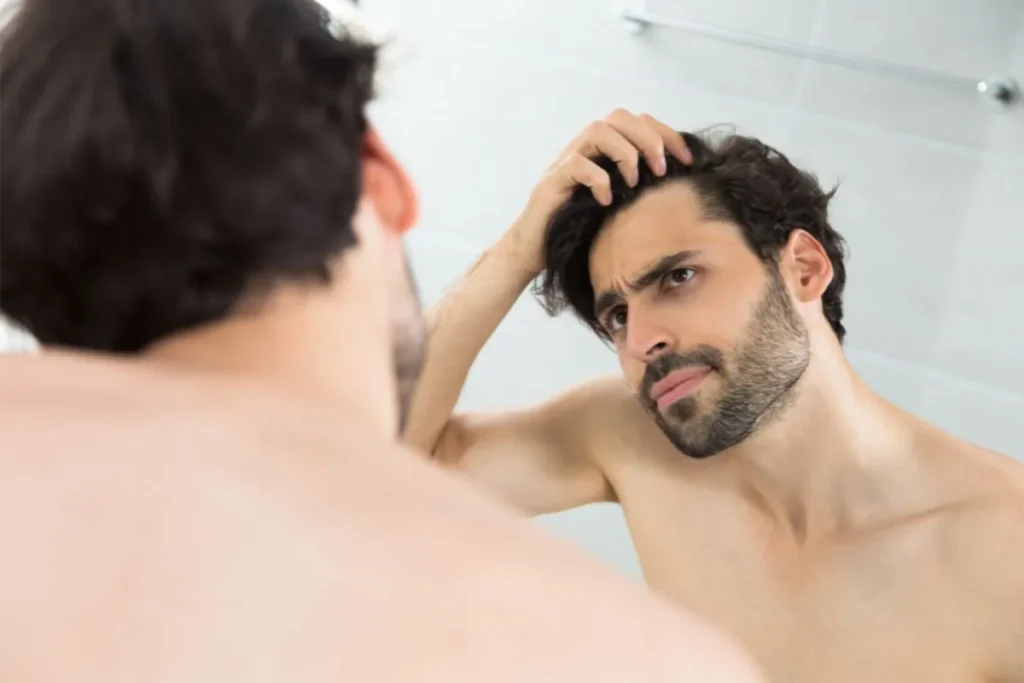
Understanding FUE scarring is key for those fighting hair loss. FUE hair transplantation is a top choice for hair restoration. But, it comes with scarring to consider.
FUE vs. FUT Scarring Differences
FUE and FUT scarring differ in how they look and how visible they are. FUE makes tiny dot scars that are hard to see. FUT, on the other hand, leaves a linear scar that’s more noticeable.
The size of the incision affects how visible the scar will be. Smaller incisions mean less visible scarring. This is why FUE is often chosen by those who don’t want big scars.
Modern FUE Techniques and Scar Size
Modern FUE methods have made scars even less noticeable. Using smaller punch tools has greatly reduced scar size. Now, FUE is even more appealing for those wanting minimal scarring.
Smaller punch tools result in smaller scars.
Advanced techniques improve the overall appearance of the transplanted area.
Minimally invasive procedures reduce recovery time and scarring.
Studies from 2014 show hair transplants for scar tissue have 64 to 95 percent survival rates of transplanted hair follicles. This is 13 months after the procedure. It highlights the success of modern FUE in reducing scarring and achieving hair growth.
Effective FUE Scar Repair Methods and Techniques
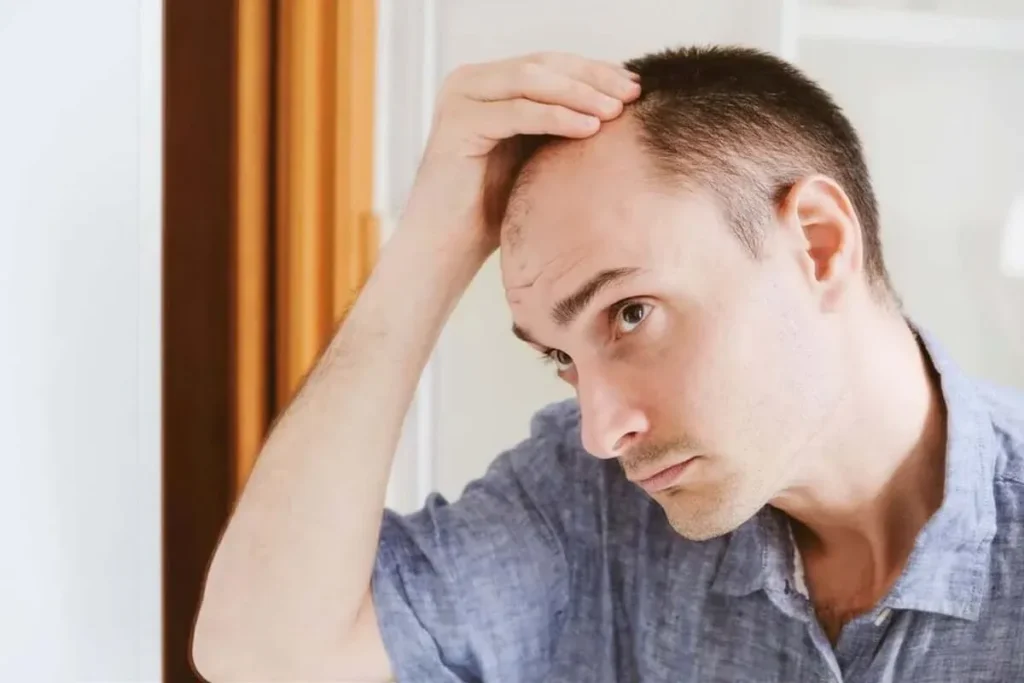
There are many ways to fix FUE scars, from surgery to non-invasive treatments. Fixing FUE hair transplant scars needs a custom plan for the best look.
Surgical Options for Scar Correction
Scar revision through more hair transplants is a common surgical fix. This method moves healthy hair follicles into the scar. It makes the scar blend in with the rest of your hair.
Studies show about 70 percent of grafts survive on scar tissue. But results can vary. For more on surgical scar correction, check out this resource.
Non-Surgical Treatments for Scar Improvement
If you don’t want surgery, there are non-surgical ways to make FUE scars look better. These include:
Scalp Micropigmentation (SMP): This method uses tattoos to make hair follicles look like they’re growing. It hides scars well.
Laser Therapy: Lasers can make the skin look smoother. They help reduce scar visibility.
PRP Treatment: This involves injecting PRP into the scalp. It helps heal and can make scars less noticeable.
These non-surgical options are great for those who want to hide FUE scars without surgery.
FUE Scar Repair: Recovery and Success Rates
Understanding the recovery process is key for those looking to fix FUE scars. The path to successful FUE scar repair includes several important factors. These include the healing time, how well grafts survive on scar tissue, and the cost.
Expected Healing Timeline
The healing time after FUE scar repair can differ based on the treatment. Here’s what patients usually go through:
Initial healing: 1-2 weeks
Scab falling off: 7-10 days
Redness reduction: 1-3 months
Final results: 6-12 months
Following post-operative instructions carefully is vital for the best healing and to avoid complications.
Graft Survival Rates on Scar Tissue
Survival rates of grafts on scar tissue are a big worry for those getting hair transplant scar removal. Research shows that with the right technique and care, graft survival on scar tissue can be as good as on non-scarred areas.
Several factors affect graft survival, including:
The surgeon’s skill
The quality of the scar tissue
Post-operative care
Cost Considerations for Scar Repair Procedures
The cost of hair transplant scar repair can change a lot. It depends on the scar size, treatment method, and the clinic’s experience. On average, costs range from $1,000 to $5,000.
Getting a precise estimate is important. Talk to a qualified professional for an accurate quote. Some clinics offer financing or package deals to help with costs.
The main goal of FUE scar repair is to make scars almost invisible, mainly when hair is medium to long. Knowing about recovery and success rates helps people make better choices for their treatment.
Conclusion
Modern FUE techniques have changed hair restoration. Now, scars are often hard to see, even with short hair. With the right care and expert help, most people get natural-looking results and feel more confident.
It’s key to hide transplant scars well for those wanting a full hairline. Using the latest treatments and expert care, people can see big improvements. This makes them happier with their hair restoration.
Celebrities and others have seen great results from FUE scar repair. Choosing the right method and following care tips can lead to a big change. It lets them show their true beauty.
Success in FUE scar repair is about more than looks. It’s about feeling confident and empowered. With the right approach, people can shine and look timeless, improving their life quality.
FAQ
What is the difference between FUE and FUT scarring?
FUE scarring is less noticeable than FUT scarring. This is because FUE uses smaller incisions. Modern FUE methods use even smaller tools, making scars almost invisible.
What are the available methods for repairing FUE hair transplant scars?
There are many ways to fix FUE scars, both surgical and non-surgical. Surgical methods include transplanting healthy follicles into scar tissue. Non-surgical options include SMP, laser treatments, and PRP therapy.
How long does it take to recover from FUE scar repair?
Recovery from FUE scar repair takes several months. Knowing this helps plan for the best results.
What are the graft survival rates on scar tissue during FUE scar repair?
Graft survival rates on scar tissue are key in FUE scar repair. Thanks to modern techniques, grafts can now thrive on scar tissue, leading to successful repairs.
How much does FUE scar repair cost?
The cost of FUE scar repair varies. It depends on the scarring extent, repair method, and practitioner’s expertise. Knowing the costs helps make informed decisions.
Can hair transplant be done on a scar?
Yes, hair transplant can be done on a scar. FUE scar revision is a method that blends healthy follicles with scar tissue.
What is FUE scar revision?
FUE scar revision is a surgical method. It transplants healthy follicles into scar tissue to improve its appearance.
How effective is SMP for FUE scar repair?
SMP is a non-surgical treatment for FUE scar repair. It adds pigment to the scalp to mimic hair density, making scars less noticeable.
Can laser resurfacing improve the appearance of FUE scars?
Yes, laser resurfacing can help FUE scars. It stimulates collagen and rejuvenates the skin, reducing scar visibility.
What is PRP therapy, and how does it help with FUE scar repair?
PRP therapy injects platelet-rich plasma into the scalp. It stimulates hair growth and improves scar appearance, making it a non-surgical option for repair.
How can I minimize the appearance of FUE scars?
To reduce FUE scar visibility, choose the right repair method and follow aftercare instructions. Modern techniques and expert care also play a role.
References
National Center for Biotechnology Information. Evidence-Based Medical Insight. Retrieved from https://pubmed.ncbi.nlm.nih.gov/24373069/