Two popular hair restoration methods are Follicular Unit Extraction (FUE) and Follicular Unit Transplantation (FUT). Both are known for their effectiveness in treating hair loss. It’s important to understand the differences between them to find the best hair transplant success rates.
The International Society of Hair Restoration Specialists says FUE makes up over 75 percent of hair transplants worldwide. It has success rates over 90 percent when done by skilled surgeons. Both FUE and FUT can give similar results. The choice between them depends on your hair loss and what you prefer.
Key Takeaways
Hair transplant success rates exceed 90 percent for both FUE and FUT methods.
FUE accounts for over 75 percent of hair transplants globally.
The choice between FUE and FUT depends on individual hair loss patterns.
Experienced surgeons play a critical role in achieving high success rates.
A personalized consultation is recommended to determine the best method.
Understanding FUE and FUT Hair Transplant Methods
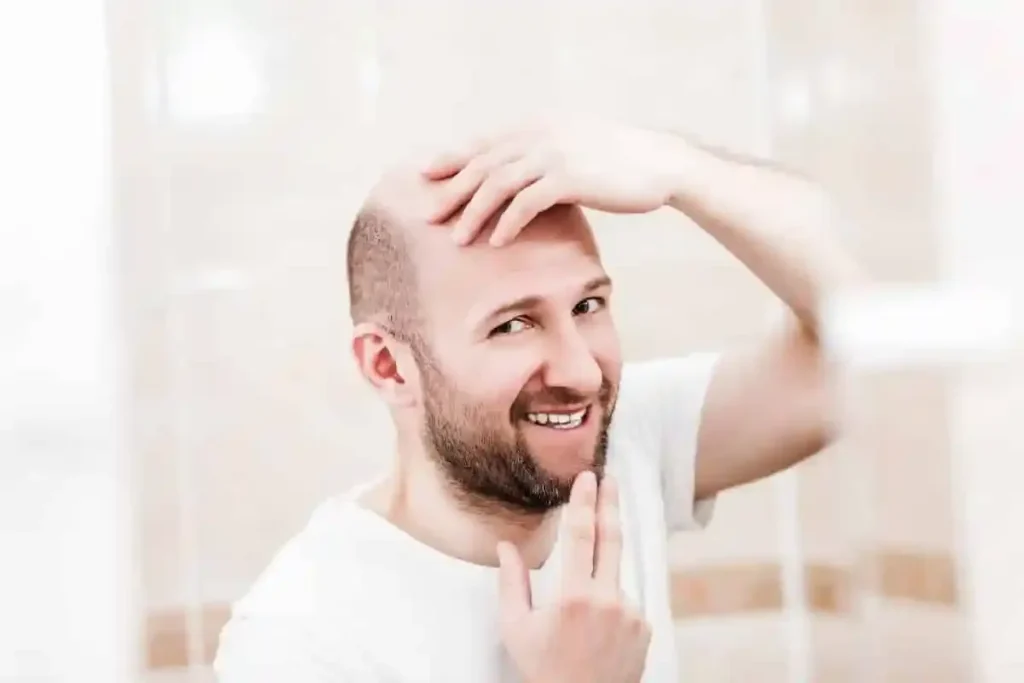
When you think about getting hair back, knowing the difference between FUE and FUT is key. Both methods have changed hair transplantation, giving people a chance to have a full head of hair again.
What is Follicular Unit Extraction (FUE)?
Follicular Unit Extraction, or FUE, is a new way to restore hair. It takes individual follicles from the donor area with small punches. This minimally invasive method causes less scalp damage and leaves small scars that are hard to see.
The follicles are then moved to new spots, helping hair grow naturally. FUE is great because it doesn’t leave big scars, perfect for those who like short hair.
What is Follicular Unit Transplantation (FUT)?
Follicular Unit Transplantation, or FUT, takes a thin strip of scalp from the donor area. This strip is then split into individual follicles and moved to bald spots. FUT is good for those needing a lot of hair back because it can do many grafts at once.
But, FUT leaves a line scar that might worry those with very short hair. Yet, new surgery methods have made this scar less obvious.
Key Differences in Harvesting Techniques
The main difference between FUE and FUT is how they get the hair. FUE takes out individual follicles, while FUT takes a strip that’s then split. This affects scarring, recovery time, and results of the transplant.
FUE heals faster and leaves less scarring than FUT. But, FUT can move more grafts in one go, which might be better for some.
Comparing FUE vs FUT Success Rates

It’s important to know how well FUE and FUT hair transplants work. Both methods are popular for helping hair grow back.
Overall Success Rate Statistics
Research shows FUE and FUT can both be very effective. They have success rates between 80 to 95 percent. This means most people see good results.
Modern FUE techniques are as good as FUT in keeping grafts alive. The success rate depends on the surgeon’s skill and method.
Graft Survival Rates
How well grafts survive is key to a successful transplant. The skill of the surgeon and their technique matter a lot. A study in the Journal of Clinical and Aesthetic Dermatology found this to be true.
Journal of Clinical and Aesthetic Dermatology
Surgeon Expertise and Its Impact on Results
The surgeon’s skill is very important for a good hair transplant. A skilled surgeon can make both FUE and FUT work better. They plan and do the surgery carefully.
Choosing a surgeon with lots of experience in hair restoration helps. This way, patients get results that look natural and last long.
Patient Experience and Aesthetic Outcomes
The patient experience and how the hair looks after a transplant are key. Choosing between FUE and FUT hair transplant methods affects recovery and the look of the transplanted hair.
Recovery Time and Post-Operative Comfort
FUE has a faster and more comfortable recovery. Patients can go back to work and light activities sooner. This is because FUE is less invasive, causing less damage to the scalp.
FUT, which takes a strip of scalp, takes longer to heal. This is because it needs stitches and a bigger wound. But, new surgical methods have made FUT recovery easier.
Scarring Differences Between Methods
FUE leaves tiny dot scars that are hard to see, thanks to new techniques. FUT, on the other hand, can cause a linear scar that’s more noticeable. This depends on how well the donor area is managed.
Natural-Looking Results and Final Appearance
Getting natural-looking results is what patients want most. Both FUE and FUT can look great if done by a skilled surgeon. But, the look also depends on graft survival, the surgeon’s skill, and aftercare.
FUE lets surgeons place grafts more freely. This can make the hairline and density look more natural. It’s great for creating a natural look.
Conclusion: Making the Right Choice for Your Hair Restoration
Choosing between FUE and FUT hair transplant methods depends on several factors. These include the severity of hair loss, the condition of your scalp, your budget, and how quickly you want to recover. Both methods are effective for restoring hair, with similar success rates.
It’s wise to have a personalized consultation with a specialist. They can help decide which method is best for you. They will consider your hair loss, scalp condition, and budget to give you the right advice.
Understanding both FUE and FUT is key to making a choice. Think about what each method offers and what might not work for you. By considering your lifestyle and hair goals, you can choose the best option for you.
FAQ
What is the difference between FUE and FUT hair transplant methods?
FUE takes individual hair follicles from the donor area with tiny tools. FUT removes a strip of scalp, then breaks it into follicles.
Which hair transplant method has a higher success rate, FUE or FUT?
Both FUE and FUT have high success rates. Success depends on the surgeon’s skill and graft survival.
How does surgeon expertise impact the success of hair transplant surgery?
A skilled surgeon can greatly improve success rates. This is true for both FUE and FUT.
What are the differences in recovery time between FUE and FUT?
FUE has a quicker recovery than FUT. It causes less scarring and discomfort. FUT takes longer to heal.
How do FUE and FUT compare in terms of scarring?
FUE causes less scarring because it takes individual follicles. FUT can leave a linear scar. But, proper care can make scars less visible.
What factors contribute to natural-looking results in hair transplant surgery?
Natural results depend on the surgeon’s skill, graft survival, and how the hair is distributed. Both FUE and FUT can look natural if done right.
Is FUE or FUT more suitable for my hair loss condition?
The right choice depends on your hair loss, preferences, and lifestyle. A qualified surgeon can help decide.
What is the success rate of FUE hair transplant surgery?
FUE has a high success rate, similar to FUT. Success depends on the surgeon and post-care.
How do I choose between FUE and FUT for my hair restoration?
Consider your hair loss, preferences, and lifestyle when choosing. A qualified surgeon can guide you.
References
National Center for Biotechnology Information. Evidence-Based Medical Insight. Retrieved from https://pubmed.ncbi.nlm.nih.gov/32979022/