
Discover how to shine by treating fungal alopecia right. This condition, also called tinea capitis, harms your scalp and hair. It worries many people.
We’ll show you how to fight this condition. Our guide will help you regain your confidence and grow healthy hair. We mix modern beauty with natural care to find the best ways to beat alopecia fungal infection. You’ll get the glow you’ve always wanted.
Key Takeaways
Understand the causes and symptoms of tinea capitis
Learn effective treatment options for fungal alopecia
Discover how to promote healthy hair growth
Explore the role of microsporum gypseum in scalp infections
Restore your confidence with a radiant glow
Understanding Fungal Alopecia and Its Causes
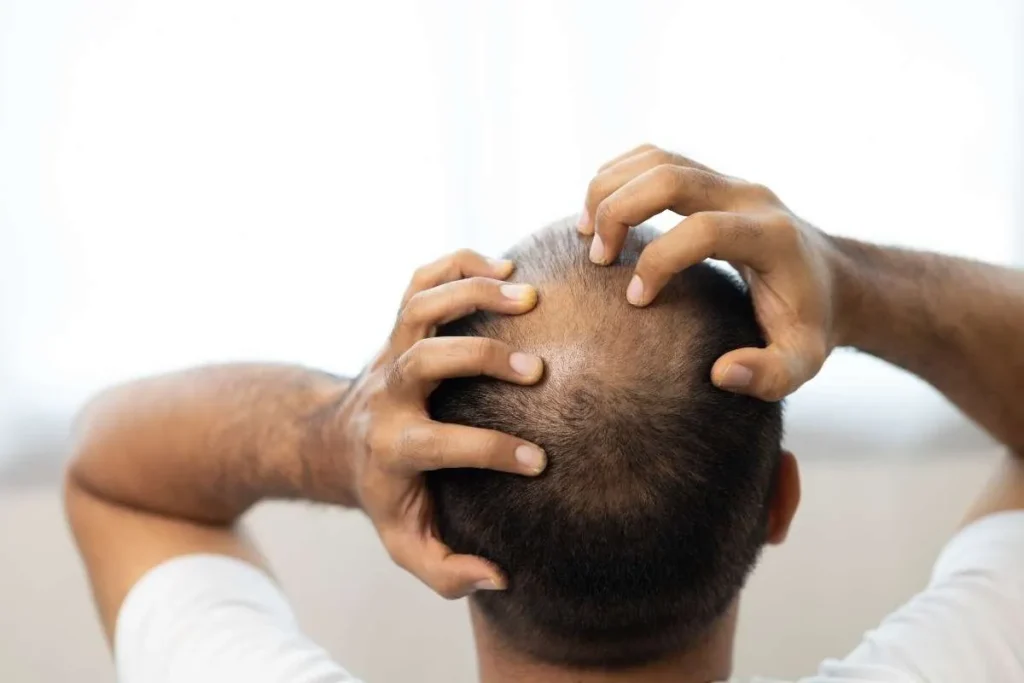
Knowing what causes fungal alopecia is key to treating it and getting healthy hair back. Fungal alopecia, or tinea capitis, is a scalp condition that leads to hair loss and discomfort. It affects many people.
What is Tinea Capitis?
Tinea capitis is a fungal scalp infection caused by dermatophytes. These are from the Trichophyton and Microsporum genera. It can be inflammatory or non-inflammatory. Symptoms include hair breakage and black dots on the scalp.
Common Fungal Species Involved
The main fungi causing tinea capitis are:
Trichophyton species
Microsporum species
These fungi infect the scalp, causing hair loss. For more on treating fungal hair loss, check Vegamour’s blog on fungus hair loss.
Recognizing the Symptoms
Spotting tinea capitis symptoms early is vital for treatment. Look out for:
Hair breakage and loss
Black dots on the scalp
Redness and inflammation
Scaling and crusting
Who Is Most at Risk?
Some groups face a higher risk of tinea capitis, including:
Children
Postmenopausal women
People with weakened immune systems
By knowing the causes and symptoms of fungal alopecia, you can start treating it. This helps you regain your natural beauty.
Step-by-Step Treatment for Fungal Alopecia
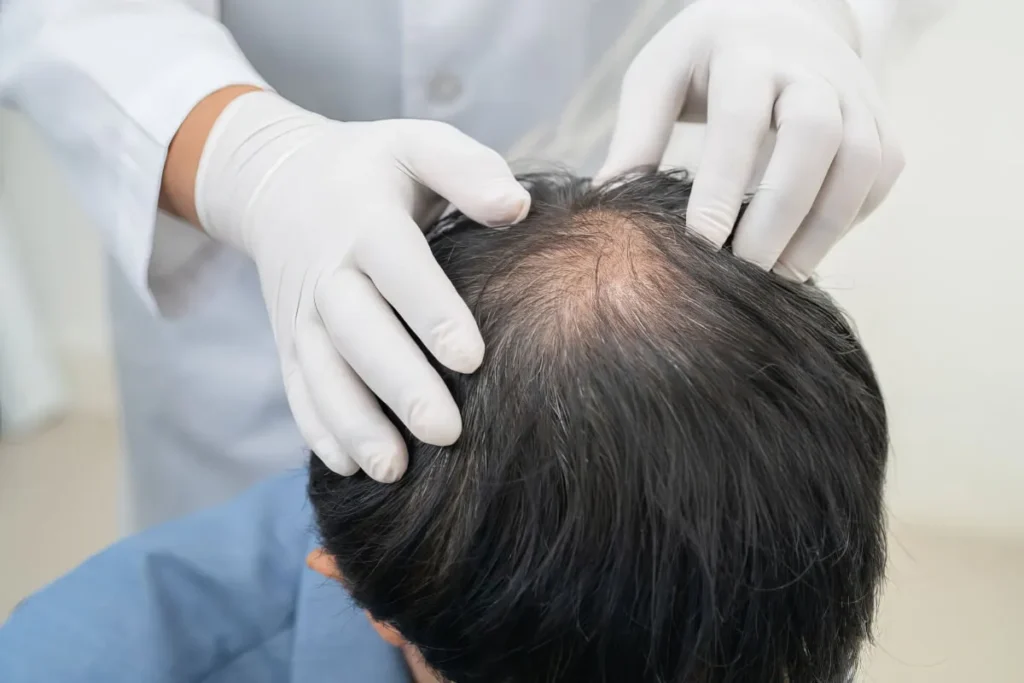
Fungal alopecia, or tinea capitis, needs a detailed treatment plan. It starts with a correct diagnosis. Knowing the cause is key for effective treatment.
Getting a Proper Diagnosis
To diagnose fungal alopecia, a doctor will look at your scalp. They check for signs like redness, scaling, and hair loss. Sometimes, they might do lab tests to confirm the infection.
Accurate diagnosis is key for a good treatment plan. Lab tests can include looking at skin scrapings or growing a fungal culture. This helps identify the exact fungus.
Medical Treatment Options
Medical treatment for fungal alopecia includes antifungal medications. These can be taken by mouth or applied to the scalp. Oral treatments are for serious cases, while topical ones are for milder infections.
Common treatments are griseofulvin, terbinafine, and itraconazole. The right medicine depends on the infection type and the patient’s health.
At-Home Treatment Protocols
At-home care is also important for managing fungal alopecia. Using antifungal shampoos and keeping the scalp clean are key steps.
Use antifungal shampoos as directed by your healthcare provider.
Keep the scalp clean and dry.
Avoid sharing personal care items.
Managing Inflammation and Discomfort
Fungal alopecia can cause scalp inflammation and discomfort. It’s important to manage these symptoms for comfort and to prevent irritation.
Over-the-counter pain relievers and anti-inflammatory drugs can help. Applying a cool compress to the affected area may also offer relief.
By following a detailed treatment plan, including medical treatment and at-home care, you can manage fungal alopecia. This promotes healthy hair growth.
Prevention and Long-term Hair Health
To have healthy hair for life, prevent fungal alopecia by keeping your hair and home clean. Tinea capitis is hard to get rid of, so stopping it early is key.
Hygiene Practices to Prevent Recurrence
Keeping your hair and scalp clean is the best way to fight fungal alopecia. Use antifungal shampoos to wash your hair often. Also, make sure your scalp is dry to stop fungi from growing.
Don’t share hair tools like combs and brushes to avoid spreading infections. Clean these items with antifungal solutions to lower the risk.
Household Disinfection Procedures
Fungal spores can live on surfaces and in the air, so cleaning your home is important. Disinfect places where you rest your head or store hair care products to remove infection sources.
Use antifungal cleaners on surfaces. Keep your home’s humidity level right to stop fungi from growing. Wash your bedding, towels, and clothes in hot water to kill spores.
Monitoring for Signs of Reinfection
Watch for signs of infection like itching, redness, or hair loss. These could mean tinea of scalp is coming back. Catching it early helps treat it before it gets worse.
See a dermatologist regularly for early detection and treatment of any infections.
Strengthening Hair After Treatment
After treating fungal alopecia, make your hair strong again. Use good hair products, eat well, and avoid too much heat or chemicals.
By doing these things, you help your hair grow strong and healthy. This makes your hair look better and keeps your scalp healthy too.
Conclusion
Treating fungal alopecia is a journey that needs understanding, patience, and the right steps. By following our guide, you can manage tinea capitis and improve your hair’s health.
A good treatment plan helps not just treat the fungal infection but also stops it from coming back. This journey is about more than treating a condition. It’s about gaining back your confidence and shining from within.
Your beauty grows with you, and with proper care, you can have healthy, radiant hair for life. By taking care of your hair, you’ll be ready to face the day with glowing skin and own your beauty with confidence and style.
FAQ
What is fungal alopecia, and how is it related to tinea capitis?
Fungal alopecia, also known as tinea capitis, is a condition caused by fungi. It leads to hair loss and scalp problems.
What are the common symptoms of tinea capitis?
Symptoms include hair breakage, black dots on the scalp, and inflammation. These can cause significant hair loss if not treated.
Who is most at risk of developing fungal alopecia?
Postmenopausal women and children are more at risk. Hormonal changes and exposure to fungal spores play a role.
How is tinea capitis diagnosed?
Diagnosis involves a physical exam, medical history, and lab tests. Tests like fungal cultures or microscopic exams confirm the presence of fungi.
What are the treatment options for fungal alopecia?
Treatment includes antifungal medications, either topical or oral. At-home treatments like antifungal shampoos and good hygiene are also used.
How can I prevent the recurrence of tinea capitis?
Prevent recurrence by practicing good hygiene and disinfecting your home. Monitor for signs of reinfection and maintain a healthy scalp and hair care routine.
Can dermatophytes on the scalp be treated effectively?
Yes, with the right treatment, including antifungal medications and hygiene practices, you can manage and eliminate scalp dermatophytes.
How can I strengthen my hair after treating fungal alopecia?
To strengthen your hair, focus on proper care and nutrition. Eat a balanced diet, use gentle hair products, and avoid heat styling or harsh chemicals.
What is the role of antifungal shampoos in treating tinea capitis?
Antifungal shampoos are key in managing tinea capitis. They reduce fungal spores on the scalp, helping control the infection and prevent its spread.
Can Microsporum gypseum cause scalp infections?
Yes, Microsporum gypseum can cause scalp infections, including tinea capitis. This leads to hair loss and other scalp problems.
References
National Center for Biotechnology Information. Evidence-Based Medical Insight. Retrieved from https://pubmed.ncbi.nlm.nih.gov/18783559