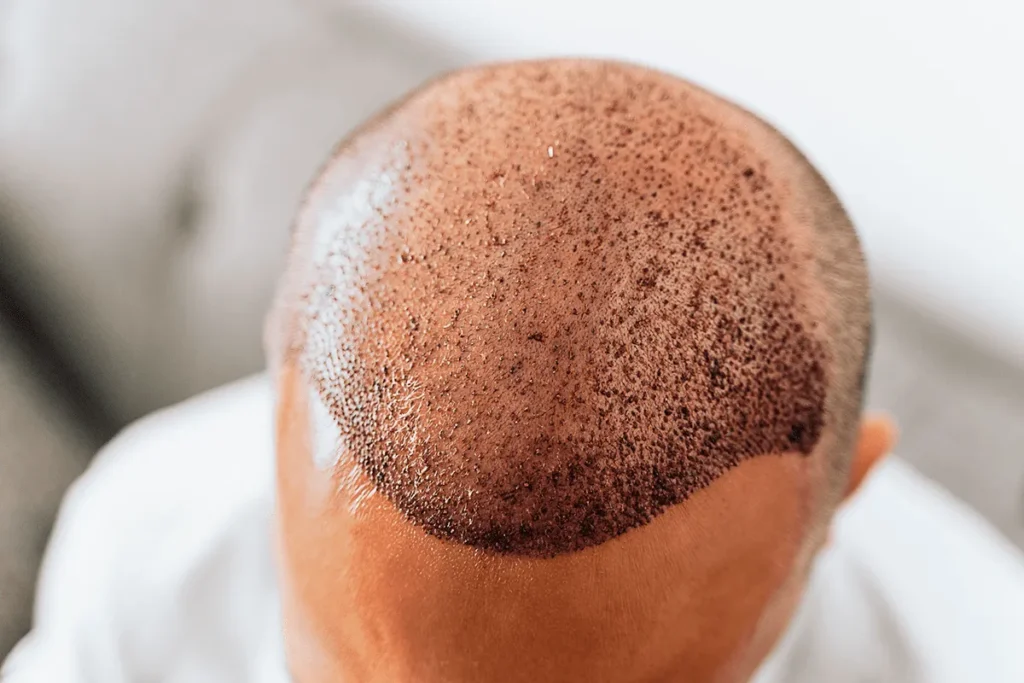
If you’re looking for a lasting fix for hair loss, Follicular Unit Transplantation (FUT) is a top choice. It has success rates over 90 percent. This method works well for both men and women with pattern baldness.
Fut Transplant is a proven way to restore hair density. Discover why this is the best way to fix severe balding and see amazing before and afters.
The FUT procedure takes a strip of skin from the back of your scalp. Then, it moves the follicular units to the thinning areas. This makes your hair look natural again. At places like GoldCity Center, they focus on making your experience smooth and comfortable.
Key Takeaways
FUT hair transplants offer a permanent solution to hair loss with high success rates.
The procedure is effective for both male and female pattern baldness.
Follicular Unit Transplantation uses the patient’s own hair follicles for natural results.
A personalized approach at clinics like GoldCity Center enhances the patient’s experience.
FUT is a clinically proven method with a high graft yield for extensive hair restoration.
What is a FUT Transplant: The Basics of Follicular Unit Transplantation
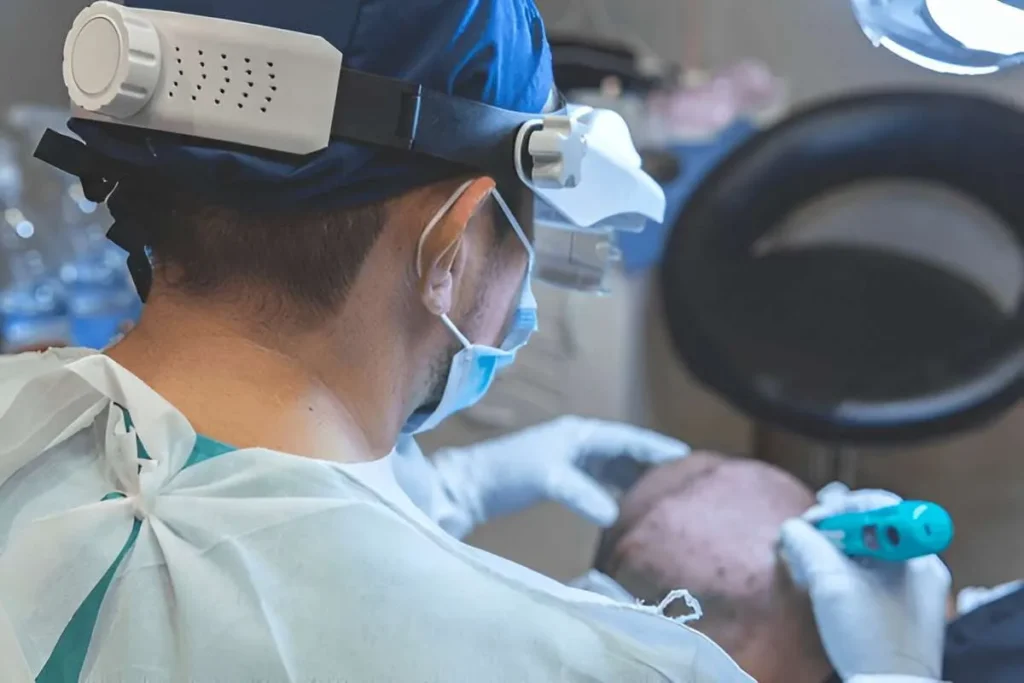
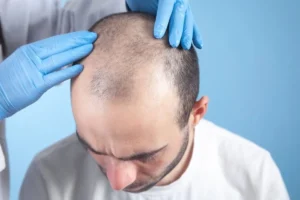
Learning about FUT hair transplants is key for those thinking about this hair restoration method. Follicular Unit Transplantation (FUT) moves hair follicles from one body part to another. It’s used to fix balding or thinning spots.
FUT is great for those with a lot of hair loss. It takes a scalp strip from the donor area. Then, it’s cut into single follicular units for transplanting.
The Science Behind Follicular Unit Transplantation
FUT’s success comes from its detailed process. The scalp strip is split into follicular units. These units are then moved to new spots, blending with the existing hair.
Key benefits of FUT include:
High graft yield, suitable for extensive hair loss
Natural-looking results, as the transplanted follicles are arranged in their natural units
Potential for significant hair density improvement
FUT vs. FUE: Understanding the Differences
When looking at hair transplantation, FUT and Follicular Unit Extraction (FUE) are the main options. They both aim to restore hair but in different ways.
The choice between FUT and FUE depends on individual needs, including the extent of hair loss, donor hair availability, and personal preferences regarding scarring and recovery time.
The FUT Hair Transplant Procedure: Step-by-Step Process
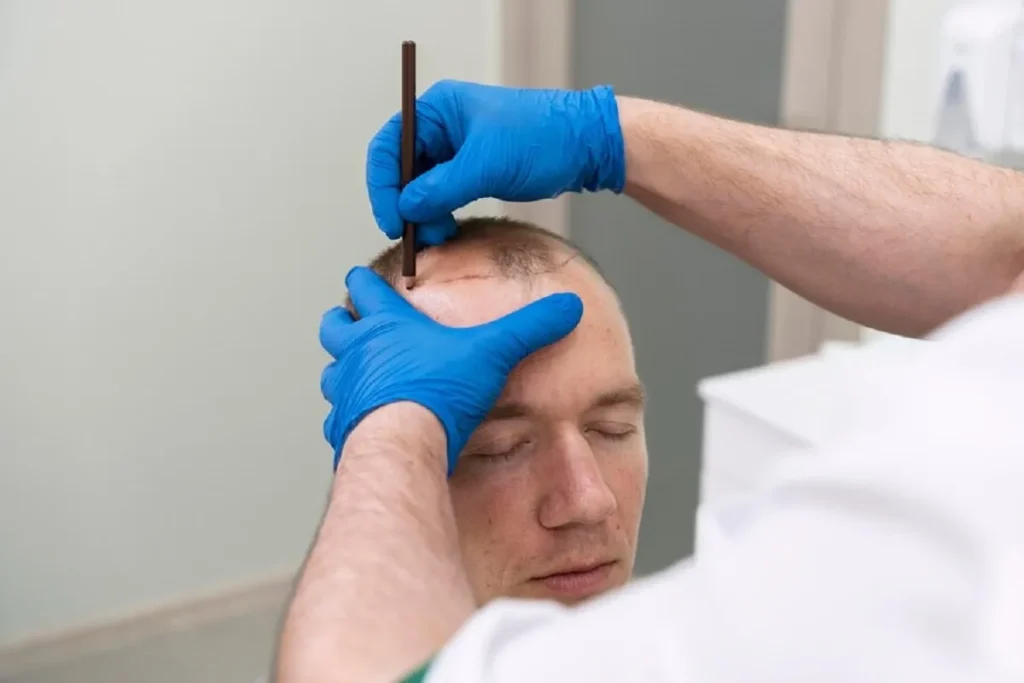
Starting your hair restoration journey with FUT is a detailed process. It aims to give you natural-looking results. This boosts your appearance and confidence.
Consultation and Candidacy Assessment
Your journey starts with a detailed consultation. A specialist checks if you’re right for FUT. They look at your hair loss, donor hair, and health. This step is key to knowing if the transplant will work for you.
Discussion of your hair restoration goals
Examination of your scalp and donor area
Review of your medical history to ensure suitability for the procedure
Preparing for Your FUT Surgery
After being cleared, you start getting ready for surgery. You’ll avoid blood-thinning meds like aspirin and ibuprofen. Your surgeon will also guide you on scalp and hair prep.
The Surgical Procedure Explained
The FUT hair transplant has several steps:
Strip Extraction: Taking a strip of hair-bearing skin from the donor area.
Graft Dissection: The strip is then cut into individual follicular units under a microscope.
Implantation: These units are then placed in the balding areas.
Post-Procedure Care and Recovery Timeline
After surgery, your scalp will be sensitive. It’s important to follow care instructions for best healing and results. This includes managing pain, keeping the area clean, and avoiding hard activities.
Initial recovery: 1-2 weeks
Return to normal activities: 2-4 weeks
Full recovery and noticing results: Several months
Knowing the FUT hair transplant steps helps you prepare. It ensures a successful outcome and boosts your confidence.
Benefits and Special Considerations for FUT Hair Transplants
The FUT hair transplant is known for its high success rates. It can restore a natural hairline. This method has been a key part of hair restoration for years, helping those with hair loss.
Success Rates and Clinical Outcomes
FUT hair transplants have a success rate of over 90 percent. This is due to the careful way grafts are taken and planted. The International Society of Hair Restoration Surgery says FUT is a proven method for natural-looking results.
Several factors contribute to FUT’s success:
The surgeon’s skill
The quality of the donor hair
The precision in grafting
FUT Hair Transplants for Women
FUT hair transplants help both men and women with hair loss. Women, like those with Ludwig pattern hair loss, can see improvements in hair density and hairline appearance.
Women should know the benefits of FUT hair transplants:
A natural hairline
Increased hair density
Better overall look
Managing and Minimizing FUT Scars
Scarring is a concern with FUT hair transplants. But, there are ways to make scars less visible. Advanced surgery and aftercare can help a lot.
To reduce scarring, follow your surgeon’s post-procedure advice. Also, go to all follow-up appointments. This way, you can enjoy FUT hair transplant benefits while keeping scars minimal.
Conclusion: Making an Informed Decision About FUT Hair Transplantation
Thinking about FUT hair transplantation? It’s key to look at the good and the bad to make a smart choice. FUT hair transplant results show up in 12-18 months. The hair you get from it won’t fall out again, which is a big plus.
Knowing how FUT surgery works helps a lot. From the first meeting to aftercare, it’s all part of the journey. The success stories and results of FUT transplantation are strong. It’s a good choice for those looking for a lasting fix for hair loss.
Wondering if hair transplant FUT is for you? Talk to a pro. With the right advice, you can get a fuller, shinier head of hair. And then, you can move forward with confidence in your hair restoration path.
FAQ
What is FUT hair transplantation?
FUT, or Follicular Unit Transplantation, is a hair restoration method. It moves hair follicles from the back and sides to bald spots. This method is known for its natural-looking results.
How does FUT differ from FUE?
FUT takes a strip of hair-bearing skin from the back. It’s then cut into individual follicular units for transplant. FUE, on the other hand, directly extracts follicular units from the back and sides. FUT can transplant more grafts at once.
Is FUT suitable for women experiencing hair loss?
Yes, FUT is a good option for women with hair loss. It can restore a natural hairline and improve hair density.
What is the success rate of FUT hair transplants?
FUT hair transplants are very successful. Most patients see significant hair growth and a natural look. Success depends on the surgeon, donor hair quality, and post-procedure care.
How can FUT scars be managed?
Proper wound care can minimize FUT scars. Techniques like trichophytic closure help by allowing hair to grow through the scar.
What is the recovery time for FUT hair transplants?
Recovery from FUT hair transplants takes one to two weeks. Patients may feel swelling, redness, and discomfort. Following care instructions can help heal faster.
Can FUT hair transplants be combined with other hair restoration treatments?
Yes, FUT can be combined with other treatments. This includes medication or low-level laser therapy to improve results and promote hair growth.
How long do FUT hair transplants last?
FUT hair transplants are a long-lasting solution. The transplanted hair resists balding. But, aging and further hair loss can affect the look over time.
What is microscopic follicular unit transplant?
Microscopic follicular unit transplant is a precise method. It involves dissecting follicular units under a microscope. This ensures high-quality grafts and better transplantation success.
REFERENCE
National Center for Biotechnology Information. Evidence-Based Medical Insight. Retrieved from https://pmc.ncbi.nlm.nih.gov/articles/PMC8061642/