
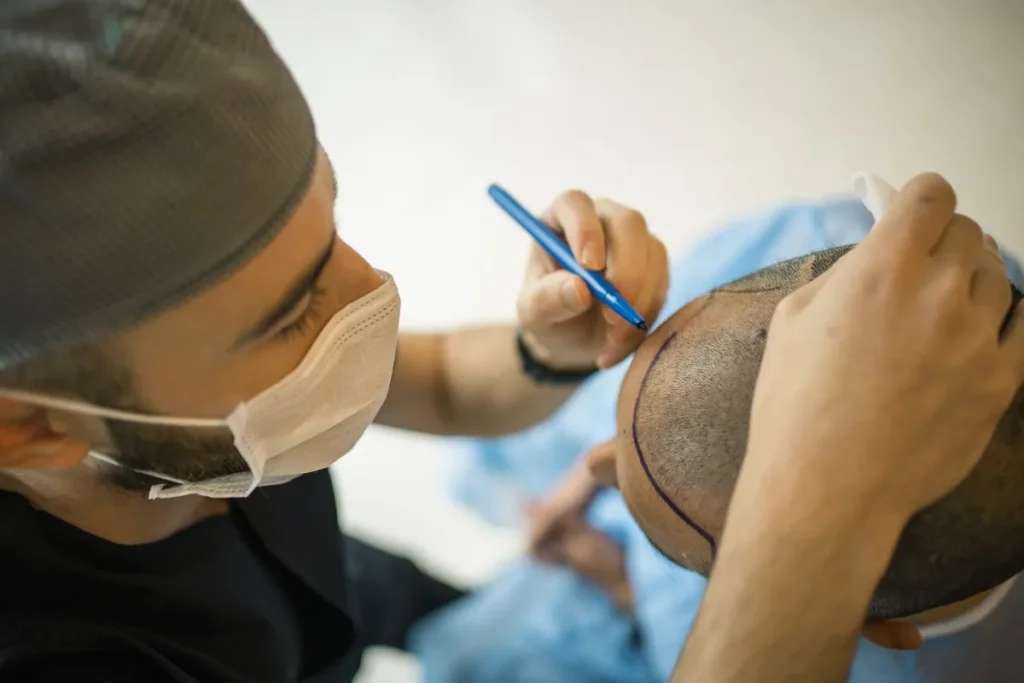
Getting a hair transplant is a big step towards feeling better about yourself. But, it’s only the start. How you take care of your new hair after the transplant really matters.
Hair Care After Hair Transplant is vital for survival. Follow our best tips for washing and protecting your grafts for amazing results today.
Good post-hair transplant care is key for your grafts to thrive. Knowing the right care strategies can help you get the hair you want. It’s all about taking care of your new locks.
Key Takeaways
Proper care is vital for graft survival and the best results.
Knowing how to care for your hair after the transplant is important.
Long-term care keeps your transplanted hair healthy and full.
Getting advice from experts can help you get natural-looking hair.
Sticking to proper care is essential for a successful outcome.
The Critical First Week of Hair Transplant Recovery
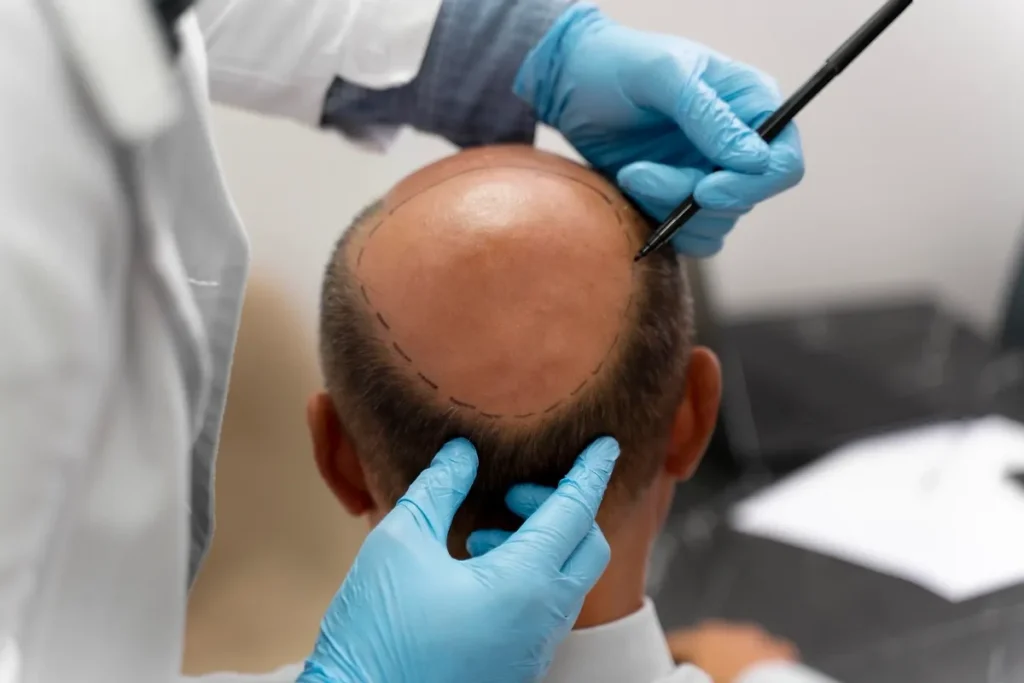
The first week after a hair transplant is key for a good recovery. Taking good care of yourself during this time is important. It helps the grafts settle right and the scalp to heal well.
Minimizing Swelling and Protecting New Grafts
Reducing swelling and keeping the new grafts safe is a big concern in the first week. Swelling is normal but can be lessened by keeping your head up, like using extra pillows. This helps the swelling go down by letting it drain better.
Being gentle with your scalp and avoiding activities that could harm the grafts is also important. Following post-operative care instructions helps ensure the grafts settle right.
Applying Saline Sprays for Proper Scalp Hydration
Keeping your scalp hydrated is key in the first week. Saline sprays help keep it moist and aid in healing. They prevent crusts from forming, which can lead to infection or graft failure.
Recommended Sleeping Positions and Activity Restrictions
How you sleep is important for recovery. Sleeping on your back with your head up helps reduce swelling. Avoid sleeping on your sides or stomach for the first week.
It’s also important to limit activities in the first week. Avoid heavy lifting, bending, or exercise to prevent graft dislodgment. A calm and relaxed lifestyle is best for healing.
Following these guidelines and being gentle with your scalp can help your recovery. This increases the chances of a successful hair transplant.
Essential Hair Care After Hair Transplant: Weeks 2-4
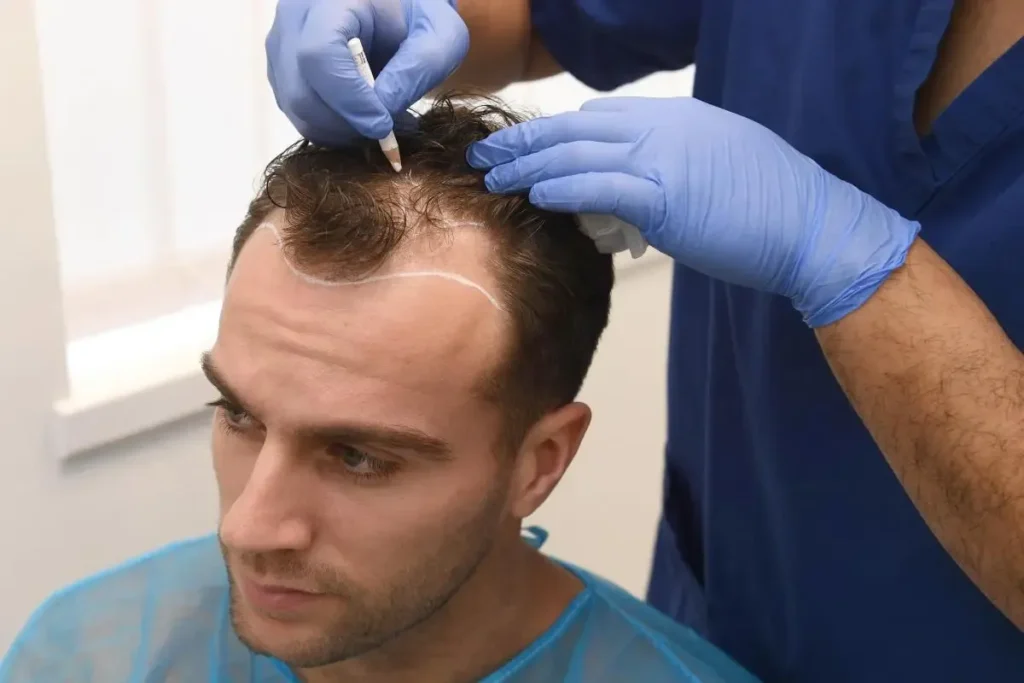
Weeks 2-4 are key for a gentle hair care routine. This helps the hair grow healthy. You’ll learn about gentle shampooing techniques, managing shock loss, and getting back to daily life.
Gentle Shampooing Techniques with Mild Products
Days 4-14 mark the start of gentle shampooing with mild products. Use only tapping motions and lukewarm water. Avoid direct water pressure on the transplanted area.
Two weeks post-op, you can go back to normal hair washing. But, keep being gentle. Use mild products and gentle washing techniques for the health of your transplanted hair.
Managing the Normal Shock Loss Phase
Weeks 2-4 may see shock loss, which is normal. It’s a part of the healing process. The transplanted hair settles, and the shock loss phase happens as the hair follicles rest.
Gradually Resuming Daily Activities and Exercise
As healing advances, you can start to gradually resume daily activities and exercise. Your surgeon will guide you. This ensures you don’t harm the healing process.
Going back to activities too fast can cause problems. Always follow your surgeon’s advice for a smooth recovery.
Long-Term Aftercare for Optimal Results
Getting the best results from a hair transplant needs a good long-term aftercare plan. This stage is key because it affects how long the transplant lasts. By using the right aftercare, people can get the most out of their hair transplant.
Months 1-3: Patience During the Dormant Phase
The first few months after a hair transplant are a dormant phase. During this time, the transplanted hair might fall out or rest. It’s important to be patient and gentle with your hair. Avoid harsh chemicals and too much heat styling.
By weeks 3-4, the signs of surgery like scabs and redness start to fade. You can slowly go back to your usual activities. But, keep following your surgeon’s care instructions.
Months 4-9: Supporting New Growth with Proper Nutrition
By three to four months after surgery, new hair starts to grow. It’s important to eat well to support this growth. Eating foods rich in vitamins and minerals, like biotin, vitamin D, and omega-3 fatty acids, helps a lot.
Nutritional Recommendations:
Recommended Products and Treatments to Enhance Results
Using the right hair care products and treatments can also improve your hair transplant results. Use gentle, sulfate-free shampoos and conditioners. Treatments like low-level laser therapy (LLLT) or platelet-rich plasma (PRP) therapy can help grow hair and keep the scalp healthy.
It’s also important to have regular check-ups with your surgeon. This helps track your progress and solve any problems. By living a healthy lifestyle, eating right, and using the right hair care, you can fully enjoy your hair transplant.
Conclusion: Setting Realistic Expectations for Your Hair Transplant Journey
Proper hair care after a hair transplant is key for successful graft survival and the best results. Understanding the process and following the surgeon’s advice is important. Knowing the risks, like infections and scarring, is also vital.
To get a successful hair transplant, you need a complete care plan. This includes immediate care, gentle hair handling, and long-term maintenance. Proper care, like gentle shampooing, and managing shock loss are important.
Being informed and careful can help you get the most out of your hair transplant. Whether you’re curious about shaving your head or need aftercare tips, a good plan will help you reach your goals.
FAQ
What are the key aspects of immediate post-operative care after a hair transplant?
Right after a hair transplant, you need to keep swelling down and protect the new hair. You should sleep in a way that doesn’t put pressure on your scalp. Also, avoid activities that might harm the new hair and use saline sprays as your doctor tells you to.
How should I care for my scalp during the first week after a hair transplant?
In the first week, be very gentle with your scalp. Don’t use harsh products or scratch your scalp. Follow your doctor’s advice to make sure the new hair settles right.
What is the normal shock loss phase after a hair transplant?
After a hair transplant, some of the new hair might fall out. This is normal and doesn’t mean the transplant won’t work. Knowing this can help you feel better about it.
How do I shampoo my hair after a hair transplant?
When you shampoo your hair after a transplant, use gentle products. This keeps your scalp and new hair healthy. Your doctor will tell you when and how to shampoo gently.
Can I resume my daily activities and exercise after a hair transplant?
You can start doing daily things and exercising again, but slowly. Your doctor will guide you. It’s important to follow their advice to heal properly.
What role does nutrition play in the success of a hair transplant?
Eating right is key for new hair growth after a transplant. A diet full of vitamins and minerals helps. Foods that promote hair growth are best.
Are there any specific products or treatments recommended after a hair transplant?
Yes, using certain products and treatments can help your transplant look better. Stay away from harsh chemicals and use gentle hair care products.
How long does it take to see the full results of a hair transplant?
Seeing the full results of a hair transplant takes time. It can take months to a year or more. Being patient and following your doctor’s advice is important for the best results.
How should I manage my hair care routine after a hair transplant?
After a transplant, use gentle hair care. Choose mild shampoos and avoid harsh chemicals. Be careful when combing or brushing your hair.
Can I shave my head after a hair transplant?
It’s best to wait before shaving your head after a transplant. Your doctor will tell you when it’s safe. This depends on how well you’re healing.





