
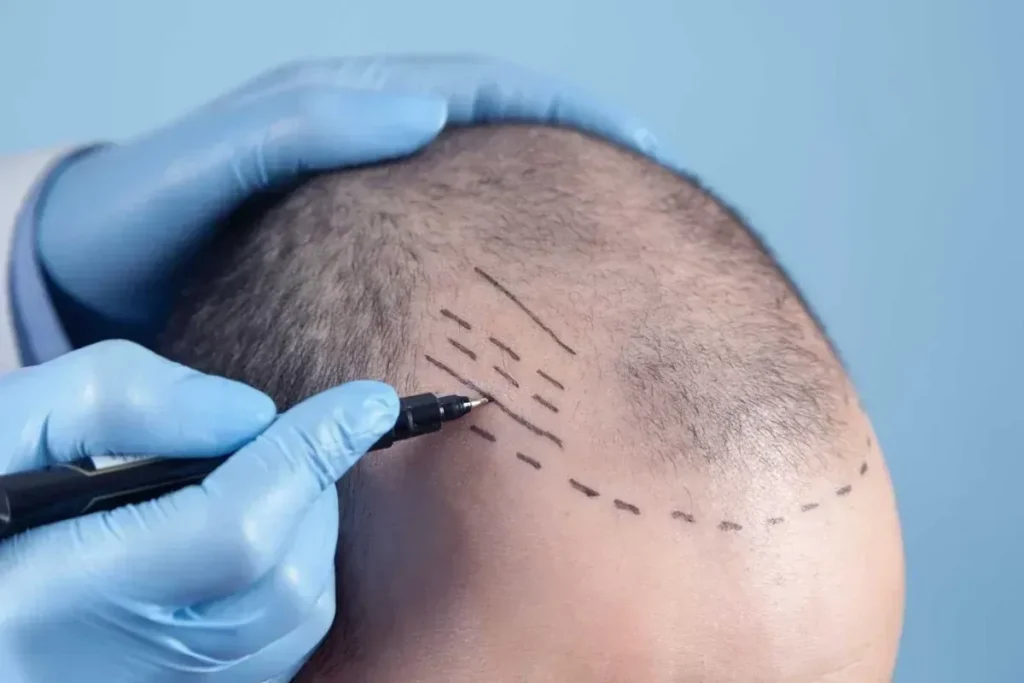
Modern hair transplantation techniques can change your look and boost your confidence. The global market for hair transplants is expected to reach USD 23.32 billion by 2030. This shows more people are looking for ways to stop hair loss.
Hair Graft Definition! Learn amazing facts about how hair follicles are transplanted and understand the secret to permanent hair restoration.
It’s important to know about hair grafting and the transplant process. This knowledge helps you make the right choice. The two main methods, FUT and FUE, have different advantages. The best one for you depends on your needs and what you prefer.
Key Takeaways
Modern hair transplantation techniques offer high success rates and natural-looking results.
The global hair transplant market is growing rapidly, driven by increasing demand.
FUT and FUE are the two primary hair transplantation methods, each with its benefits.
Understanding the techniques involved is essential for a successful transplant.
Restoring a youthful appearance can significantly boost confidence and self-esteem.
Understanding Hair Graft Definition and Types
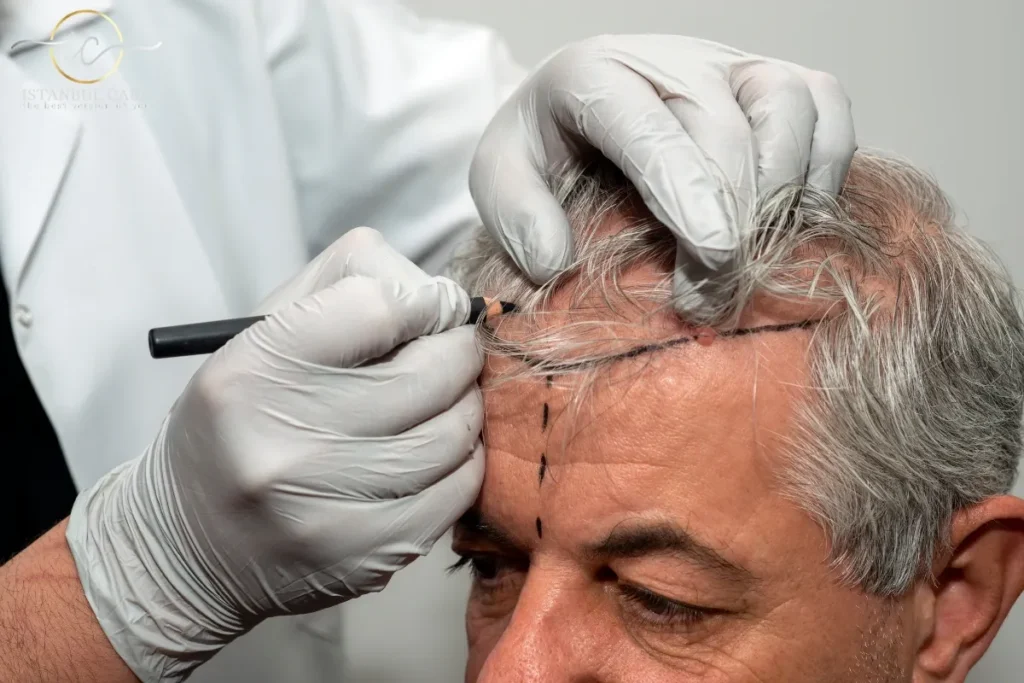
Exploring hair transplantation starts with learning about hair grafts. These grafts are key in restoring hair, helping to achieve a fuller look.
What Is a Hair Graft?
A hair graft holds one to four hair follicles. It’s taken from a donor area and moved to bald spots. Hair restoration experts say the quality and number of grafts are vital for success. They are prepared carefully to increase chances of growth after the transplant.
Creating these grafts is an art. “The art of hair transplantation lies in the delicate handling of grafts,” a top specialist notes. This shows how important it is to have skilled hands in graft handling and transplanting.
Types of Hair Loss Suitable for Transplantation
Not every hair loss can be treated with grafts. But, many common issues can be helped by hair grafting. These include:
Genetic hair loss (androgenetic alopecia)
Hair loss due to injury or burns
Hair loss from certain medical conditions or surgeries
The table below shows which hair loss types can be treated with grafts:
Knowing the type and cause of hair loss is key to deciding if a transplant is right. Talking to a specialist is the first step to getting a fuller head of hair.
Hair Transplant Techniques and Procedure Steps
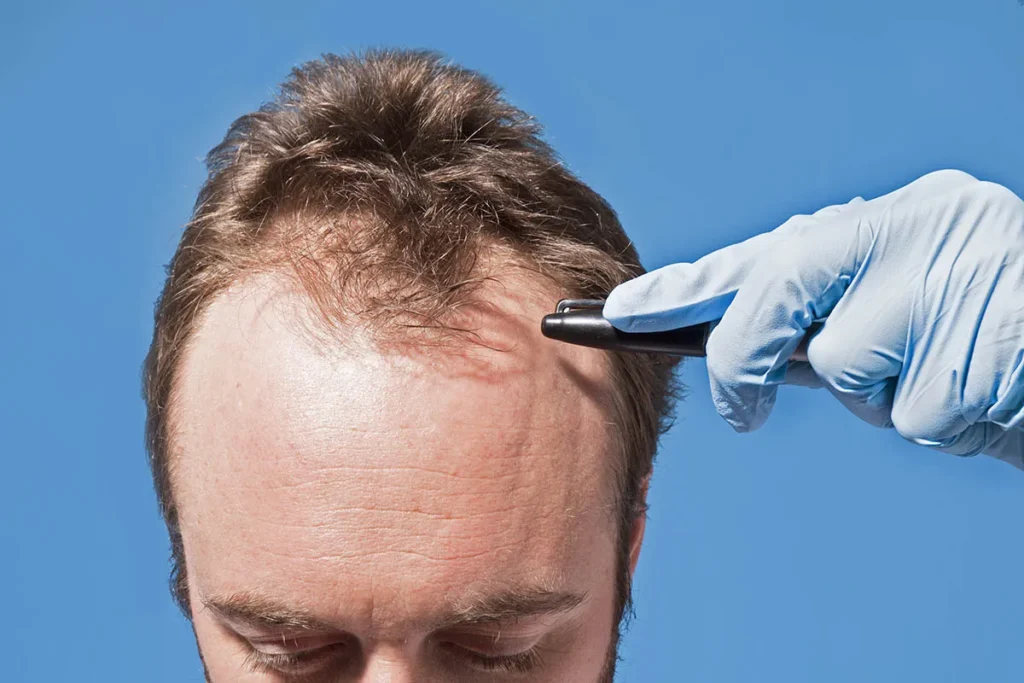
It’s important to know about hair transplant techniques for a successful process. There are many methods to choose from, each suited for different needs.
Follicular Unit Transplantation (FUT) Method
The FUT method, or strip method, takes a strip of hair-bearing skin from the back of the head. This strip is then cut into individual follicular units for transplanting.
Benefits: Can transplant a large number of grafts in one session.
Drawbacks: Results in a linear scar and may have a longer recovery time.
Follicular Unit Extraction (FUE) Method
The FUE method takes individual follicular units directly from the scalp. This leaves tiny, dot-like scars.
Advantages: It’s less invasive, has less noticeable scarring, and has a quicker recovery.
Disadvantages: It can be more time-consuming and expensive than FUT.
The Transplantation Process: What to Expect
The process starts with a consultation to find the best technique for you.
Preparation involves giving local anesthesia to both areas.
The surgeon then does either FUT or FUE based on the plan.
After extraction, the follicular units are put into the recipient sites.
The whole process can take several hours to a full day, depending on how much is being transplanted.
After, you’ll need to recover. The transplanted hair may fall out before growing back. Proper aftercare is key for the best results.
Conclusion: Cost Considerations and Finding the Right Specialist
Starting a hair transplantation journey is a big step. Knowing the costs is key. The hair transplant cost changes based on the method and how many grafts you need. Look up prices from trusted clinics that offer hårtransplantation to make a smart choice.
Finding a good hair transplant specialist is just as important. Search for experts with a solid history in implantation capillaire. Check their credentials, read what others say, and see their work. A skilled specialist will help you get the look you want with a natural hairline.
Spending time to research and pick the right specialist can change your life. Your hair transplant journey can boost your confidence and happiness.
FAQ
What is a hair graft?
A hair graft is a small group of hair follicles. They are moved from one part of the body to another. This is usually from the back and sides of the head to balding areas.
What is the difference between FUT and FUE hair transplant techniques?
FUT means removing a strip of hair-bearing skin from the back of the head. FUE takes individual follicular units directly from the scalp. FUE is newer and less invasive.
How long does it take to recover from a hair transplant?
Recovery time varies. It usually takes 7-10 days for the area to heal. It may take months to see the full results.
Can hair transplantation treat all types of hair loss?
Yes, it can treat genetic hair loss and loss due to injury or illness. But, it’s important to talk to a specialist to see if it’s right for you.
How much does a hair transplant cost?
The cost depends on location, the specialist’s expertise, and how many grafts you need. The global market is growing, so prices vary.
How do I find a qualified hair transplant specialist?
Look at their credentials and read reviews. Ask for before-and-after photos. A consultation is also key to discuss your needs.
Are there any risks or complications associated with hair transplantation?
Yes, there are risks like scarring, infection, and graft failure. But, these can be lowered by choosing a skilled specialist and following instructions.
What is the success rate of hair transplantation?
Success depends on the technique, graft quality, and your health. Generally, it has a high success rate, leading to natural-looking results.
Can I undergo a hair transplant if I have a history of keloid scarring?
If you have keloid scarring, you might face higher risks. It’s important to talk to a specialist to find the best option.
How long do hair transplant results last?
Results can last many years. The transplanted hair grows naturally. But, you might need more procedures to keep the look.
References
National Center for Biotechnology Information. Evidence-Based Medical Insight. Retrieved from https://pubmed.ncbi.nlm.nih.gov/37026789/





