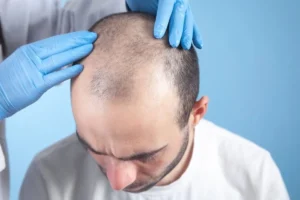
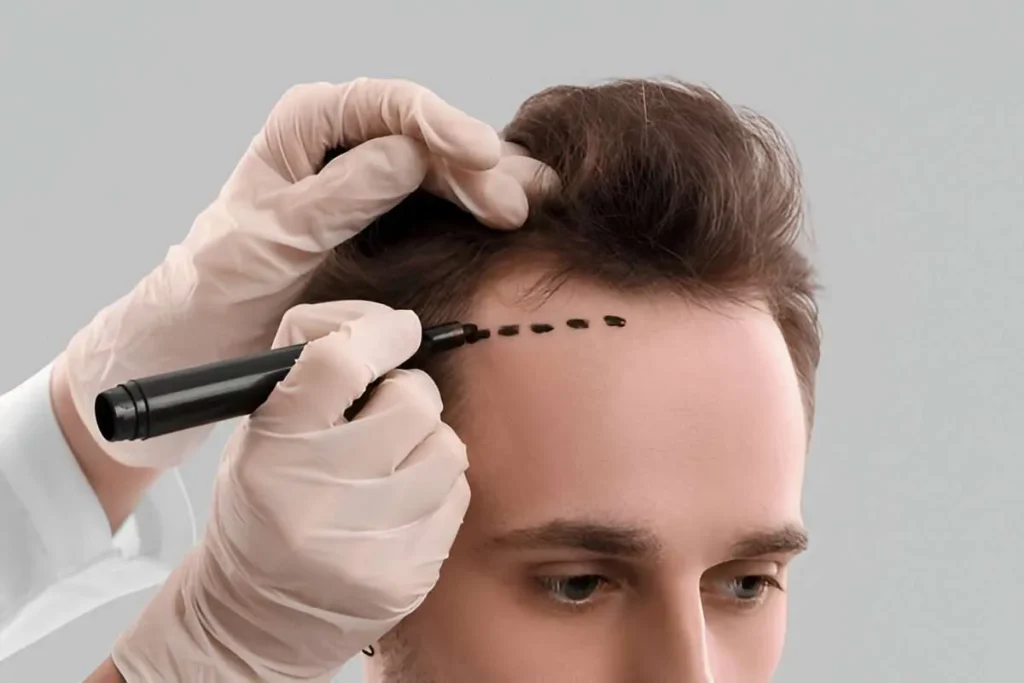
Hair transplantation has changed how we treat hair loss. It’s now a booming field with great success rates. At Anderson Center for Hair, we aim to make your hair restoration journey smooth and reassuring.
Hair Graft Meaning explained! Follow our best ultimate guide to understanding hair transplants and learn how to achieve amazing regrowth now.
Knowing about hair transplantation is key for those thinking about it. The global hair transplant market is growing fast. This shows more people want good hair loss treatment options.
Key Takeaways
Understanding the basics of hair transplantation is vital for those with hair loss.
The global hair transplant market is expanding quickly, thanks to more demand for solutions.
Hair restoration methods have improved a lot, giving natural-looking results.
A successful hair transplant can greatly improve your confidence and self-esteem.
Choosing a trusted and skilled provider for hair loss treatment is essential.
Understanding Hair Grafts and Transplantation
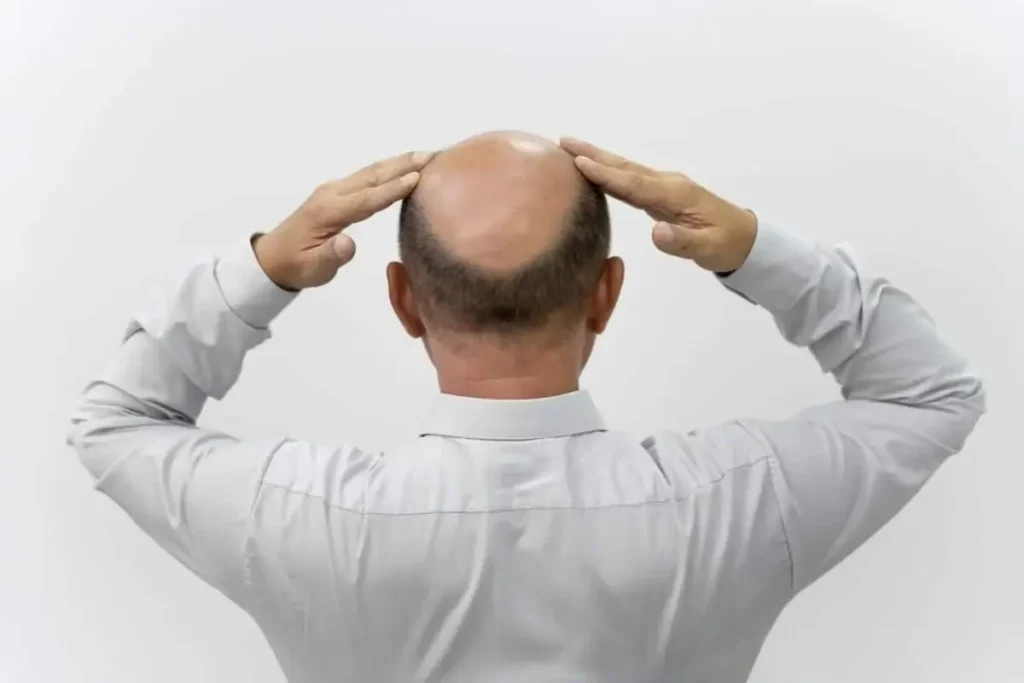
Hair grafts are key in hair transplantation. Knowing about them is vital for those thinking about this procedure. It moves hairs from a donor area, like the back of the head, to bald spots.
What is a Hair Graft? The Meaning and Importance
A hair graft is a small group of hair follicles moved from one area to another. It’s important for getting a natural-looking hairline and dense hair growth. There are two main methods: Follicular Unit Extraction (FUE) and Follicular Unit Transplantation (FUT).
FUE takes hairs one by one, leaving little scarring and quick healing.
FUT takes a strip of skin, then cuts it into single follicles for transplant.
Who is a Good Candidate for Hair Transplantation?
Figuring out if you’re a good candidate for hair transplantation involves several factors. These include how much hair you’ve lost, the quality of your donor hair, and your health. People with enough donor hair and realistic hopes are best candidates. A chat with a hair restoration expert is key to see if you’re a good fit.
The Global Hair Transplant Market
The global hair transplant market is growing fast. This is thanks to new tech and more people wanting to treat hair loss. FUE is used in about 66.2% of cases, and FUT in about 31.5%.
As hair transplant tech gets better, knowing about hair grafts and methods is more important. Staying updated and talking to experts can help you make smart choices for your hair.
Hair Transplant Techniques Compared
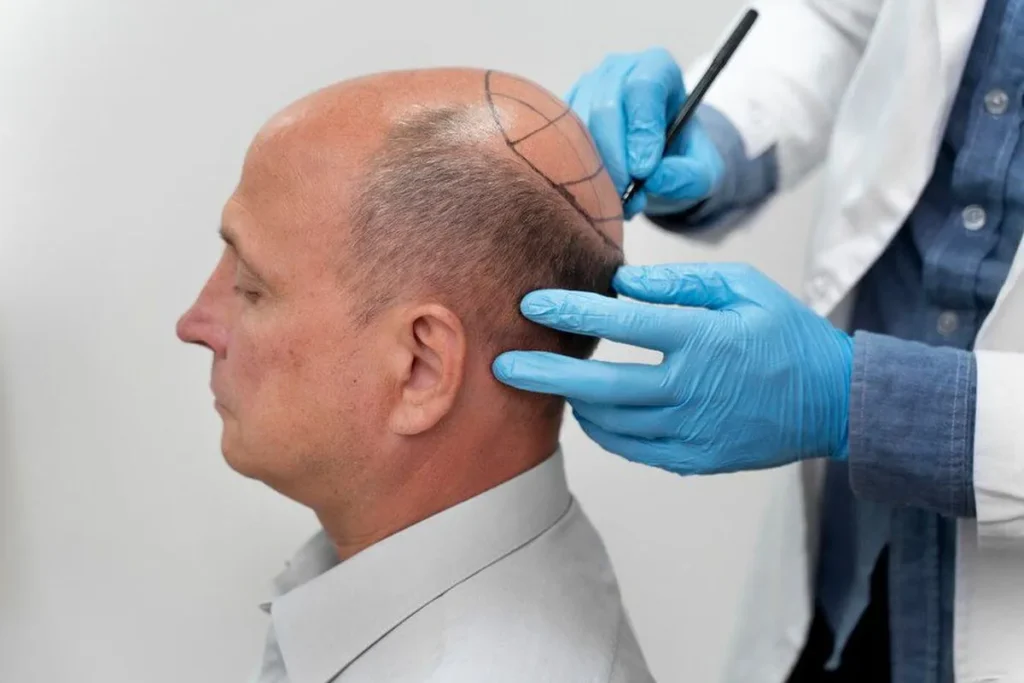
Understanding the differences between FUE and FUT is key when choosing hair restoration. Both methods are effective but work in different ways. Knowing the details can help you make a better choice.
Follicular Unit Extraction (FUE)
FUE takes individual grafts, each with 1–4 hairs, and places them in thinning spots. It’s known for being less invasive and not leaving a big scar. This makes it great for those who like to keep their hair short.
Benefits of FUE:
Minimally invasive with less scarring
Quicker recovery time compared to FUT
Flexibility in harvesting grafts from various parts of the body
More and more people are choosing FUE. It’s popular because of its benefits.
Follicular Unit Transplantation (FUT)
FUT takes a strip from the back of the head, then breaks it into individual units. This method lets you transplant many grafts at once.
Benefits of FUT:
Higher yield of grafts in a single session
Often more cost-effective than FUE
Effective for patients requiring a large number of grafts
For more details on FUE and FUT, check out
Choosing between FUE and FUT depends on your needs and the doctor’s advice. With a success rate of 97% and 90-95% satisfaction, it’s important to talk to a professional. They can help you pick the best method for you.
The Complete Hair Transplant Journey
Understanding the hair transplant journey is key for those thinking about it. It’s a process that needs careful planning and execution.
Initial Consultation and Planning
The journey starts with an initial consultation. The surgeon checks the patient’s hair loss and talks about their goals. This stage is important to figure out how many grafts are needed. First-time procedures usually need about 2,176 grafts.
The surgeon will also explain the different techniques. This includes Follicular Unit Extraction (FUE) and Follicular Unit Transplantation (FUT). They will choose the best method based on the patient’s hair loss and what they want.
Preparing for Your Procedure
Getting ready is important for a successful transplant. Patients are told to avoid certain medicines and get their scalp ready. Advanced technologies, like robotic systems like ARTAS iX, make the procedure more precise and popular.
It’s also key to follow the surgeon’s pre-operative care advice. This helps avoid risks and makes recovery smoother.
During the Surgery: What to Expect
On the day of the surgery, expect precise graft placement. The procedure can take several hours, depending on the grafts.
Advanced technologies have improved hair transplant results. They make the results look more natural and reduce recovery times.
Recovery Process and Timeline
The recovery process involves managing swelling and following care instructions. Patients are told to avoid hard activities and follow a care plan for best healing.
By understanding the hair transplant journey, individuals can better prepare themselves. This helps achieve the best results.
Conclusion
Achieving successful hair restoration results requires a deep understanding of the hair transplant process. With a success rate of 97%, it’s a trusted method for treating hair loss.
Choosing a reputable clinic like Anderson Center for Hair means top-notch care and expertise. They focus on getting the most hair yield while using fewer grafts. This approach leads to the best hair transplant success.
With expert planning, cutting-edge technology, and caring service, patients can achieve a stunning, natural hairline. Hair transplantation is a journey that boosts confidence and beauty. It shows how hair restoration keeps getting better, helping people feel their best.
FAQ
What is hair transplantation?
Hair transplantation moves hair follicles from one body part to another. It’s done to grow hair in balding or hair loss areas.
What are the main techniques used in hair transplantation?
Two main techniques are Follicular Unit Extraction (FUE) and Follicular Unit Transplantation (FUT). FUE takes out individual follicles. FUT removes a strip of skin with hair.
Who is a suitable candidate for hair transplantation?
People with pattern baldness, hair loss from injury or surgery, or thinning hair might be good candidates. A doctor’s consultation is needed to check if you’re a good fit.
What is the difference between FUE and FUT hair transplantation?
FUE is newer and takes out individual follicles, causing less scarring and quicker healing. FUT removes a strip of skin, leading to a linear scar.
How long does it take to recover from a hair transplant?
Recovery takes a few days to a week. The transplanted hair may fall out before growing back. It can take months to a year or more to see full results.
Are the results of hair transplantation permanent?
Yes, hair transplantation results are usually permanent. The transplanted hair won’t fall out like your natural hair. But, keep your hair healthy and follow aftercare instructions.
What is the cost of hair transplantation?
Hair transplantation costs vary. It depends on the method, number of grafts, and clinic location. The market is growing, with a value of USD 7.33 billion.
How do I choose a reputable hair transplant clinic?
Look for a clinic with good qualifications, experience, and reviews. Make sure they use the latest methods and have a skilled team to help you.
What is the significance of the global hair transplant market?
The global hair transplant market is big, worth USD 7.33 billion in 2024. It’s expected to grow to USD 38.33 billion by 2033, showing more people want hair restoration.
What is a hair graft?
A hair graft is a small group of hair follicles moved during a transplant. The number needed depends on your hair loss and desired look.
What is the role of hair transplantation in addressing pattern baldness?
Hair transplantation helps with pattern baldness by growing hair in bald spots. It improves looks and boosts confidence.
References
National Center for Biotechnology Information. Evidence-Based Medical Insight. Retrieved from https://pmc.ncbi.nlm.nih.gov/articles/PMC6676805/[4