
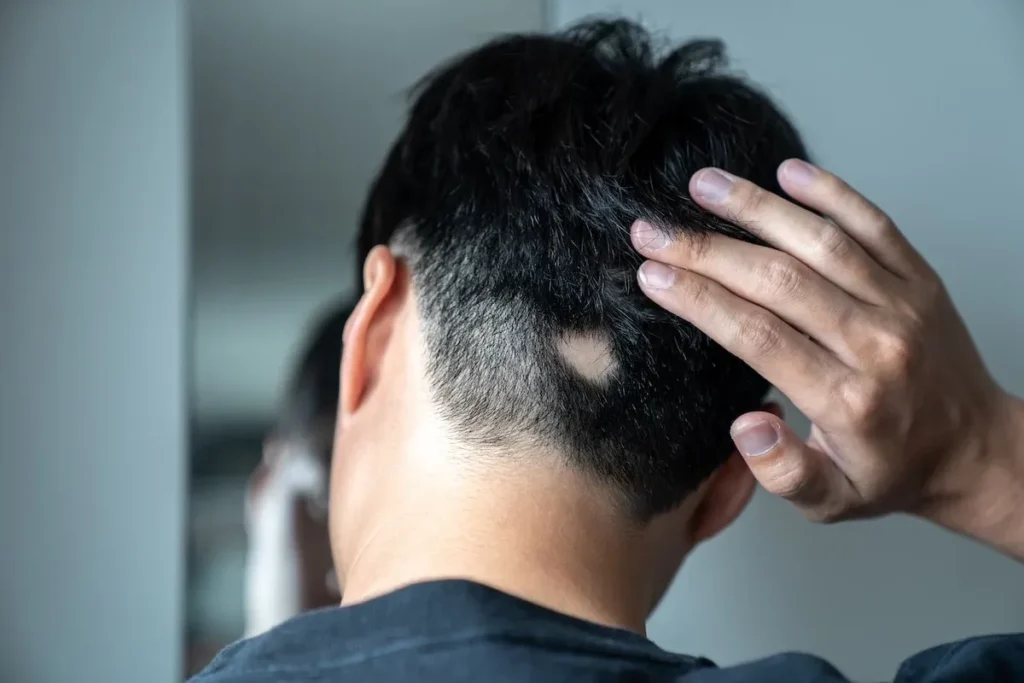
Hair diseases and disorders affect nearly half of the global population at some point in their lives. Yet, many are unaware of the diverse treatment options available.
It’s important to understand these conditions to keep your scalp and hair healthy. Recent data shows that androgenetic alopecia, alopecia areata, and telogen effluvium are the most common hair and scalp disorders.
GoldCity Center offers international expertise and patient-centered care. They diagnose and treat all hair conditions with compassion and clinical excellence.
Key Takeaways
Nearly half of the global population is affected by hair diseases and disorders.
Common conditions include androgenetic alopecia, alopecia areata, and telogen effluvium.
Understanding these conditions is key to a healthy scalp.
GoldCity Center offers international expertise and patient-centered care.
Early intervention is key to better outcomes.
Understanding Hair Illnesses and Their Prevalence
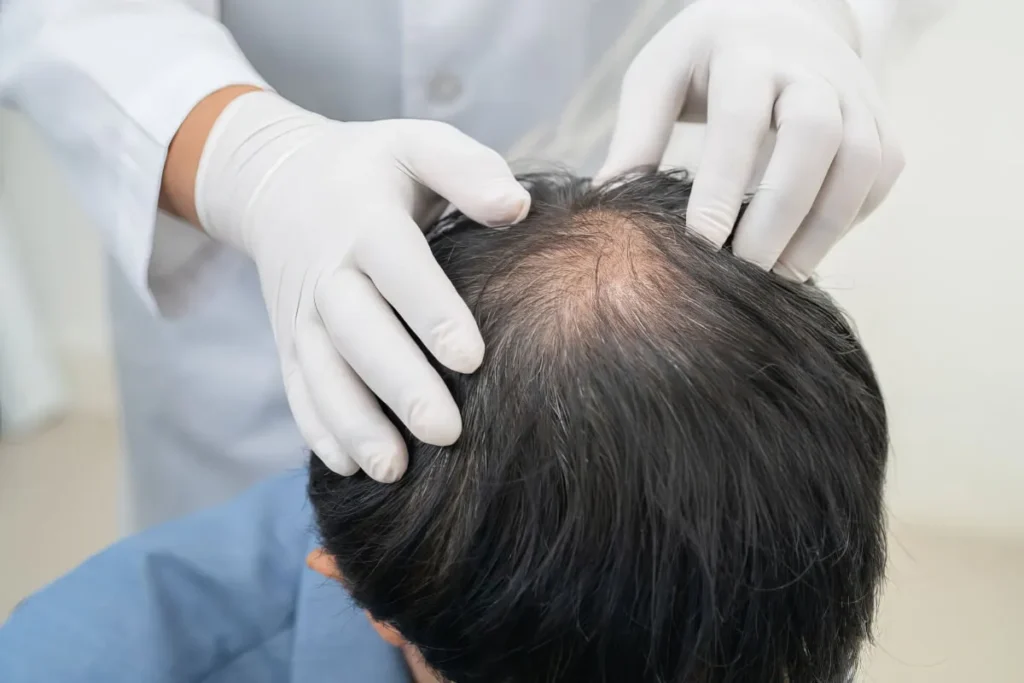
Hair illnesses affect a lot of people worldwide. They can really change someone’s life. It’s important to know how common they are and why they happen.
Global Impact of Hair and Scalp Disorders
Hair and scalp problems affect millions globally. About 85% of men and 50% of women will face hair issues by age 70. Male pattern baldness is the main cause of hair loss in men.
Risk Factors and Common Causes
Genetics, hormonal changes, and lifestyle are key factors in hair illnesses. Genetic predisposition is a big factor in conditions like androgenetic alopecia. Hormonal shifts can also lead to hair loss and scalp problems.
7 Most Common Hair Diseases and Disorders
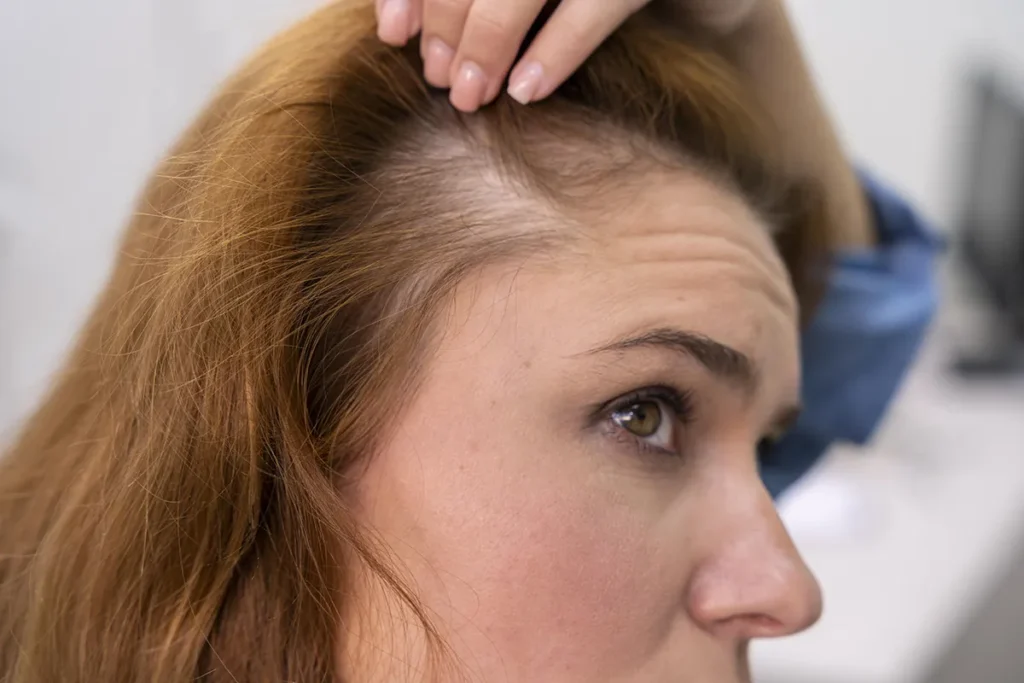
Keeping your hair healthy means knowing about common problems like alopecia and seborrheic dermatitis. These issues can affect your hair, scalp, and overall health. Learning about them is the first step to treating and managing them.
Androgenetic Alopecia (Male and Female Pattern Baldness)
Androgenetic alopecia, or male and female pattern baldness, affects millions. It causes hair to thin gradually, mainly on the top and crown. Genetics and hormones play big roles in this condition. Treatments include minoxidil, finasteride, and hair transplants.
Alopecia Areata
Alopecia areata is an autoimmune disease causing patchy hair loss. It’s stressful and often unknown why it happens. Genetics and environment are thought to be involved. Treatments include corticosteroids, immunotherapy, and hair growth medications.
Telogen Effluvium
Telogen effluvium leads to a lot of hair shedding after stress like illness or surgery. It happens when too many hairs enter the telogen phase. Managing stress and nutrition helps, along with treatments for hair growth.
Seborrheic Dermatitis
Seborrheic dermatitis causes scaly patches and dandruff on the scalp. It’s linked to too much yeast on the skin. Treatment includes antifungal meds, medicated shampoos, and lifestyle changes.
Other common hair diseases and disorders include:
Trichotillomania: A psychological disorder where people compulsively pull their hair.
Hair Shaft Disorders: Conditions that make hair brittle or prone to breaking.
Tinea Capitis: A fungal scalp infection, also known as ringworm.
Exploring common hair diseases and disorders shows each needs a specific treatment plan. Knowing the causes and symptoms helps find the right care for healthy hair.
Medical Expert, Dermatologist
Conclusion: When to Seek Professional Help for Hair Illnesses
If you’re losing hair, have scalp problems, or notice other hair-related issues, it’s time to see a doctor. Many hair diseases, even rare ones, can be treated with the right care. Getting a proper diagnosis is key.
Learning about hair diseases can help you take care of your hair better. Spotting hair illness signs early can stop more damage. This way, you can keep your hair and scalp healthy.
Take charge of your hair health to look and feel your best. See a dermatologist to find the right treatment for your hair problem. Start your path to a shiny, healthy hair today.
FAQ
What are the most common hair diseases and disorders?
Common hair issues include androgenetic alopecia, alopecia areata, and telogen effluvium. Seborrheic dermatitis and other scalp problems also affect many people.
What is androgenetic alopecia, and how is it treated?
Androgenetic alopecia, or male and female pattern baldness, is caused by hormones and genetics. Treatments include medicines, hair transplants, and laser therapy.
What are the symptoms of alopecia areata?
Alopecia areata causes hair loss in patches, often on the scalp. It can also affect other body parts. Symptoms include sudden hair loss and nail changes.
How is telogen effluvium diagnosed and treated?
Telogen effluvium leads to excessive hair shedding due to stress or hormonal changes. Doctors diagnose it through history and physical exams. Treatment includes addressing causes, supplements, and stress management.
What is seborrheic dermatitis, and how is it managed?
Seborrheic dermatitis causes scalp inflammation and flaking. It’s often red and itchy. Treatment includes medicated shampoos, creams, and lifestyle changes.
Can hair diseases and disorders be prevented?
Some hair issues can’t be prevented, but a healthy lifestyle helps. Reducing stress and using gentle hair care products promotes healthy hair and scalp.
When should I seek professional help for hair loss or scalp issues?
If you have persistent hair loss or scalp problems, see a dermatologist. They can diagnose and treat your condition properly.
Are there any rare hair diseases or disorders I should be aware of?
Yes, there are rare conditions like monilethrix and trichorrhexis nodosa. If you notice unusual symptoms, consult a healthcare professional.
How do genetics and hormonal changes affect hair health?
Genetics and hormonal changes can lead to hair loss. Conditions like androgenetic alopecia and telogen effluvium are examples.
What are the latest treatments for hair diseases and disorders?
New treatments include advanced medications and hair restoration therapies. Consult a healthcare professional for the latest options.
References
National Center for Biotechnology Information. Evidence-Based Medical Insight. Retrieved from https://www.ncbi.nlm.nih.gov/books/NBK430924/[4





