

Alopecia areata is an autoimmune disease that affects millions. It causes unpredictable hair loss and can be very distressing. New medical research has brought hope with innovative treatments.
The dermatology team at GoldCity Center is leading the way. They use the latest FDA-approved medicines and proven therapies. They focus on both the physical and emotional sides of this condition.
Key Takeaways
Understanding alopecia areata is key for effective treatment.
New FDA approvals have changed treatment options for the better.
GoldCity Center offers top-notch care with new therapies.
It’s important to address the emotional side too.
Compassionate, evidence-based care is vital for managing the condition.
Understanding Alopecia Areata
Alopecia areata is a condition that affects many people worldwide. It’s important to understand its definition, how common it is, and what causes it. This autoimmune disorder impacts individuals in many ways.
What is Alopecia Areata?
Alopecia areata causes unpredictable, nonscarring hair loss. It happens when the immune system attacks hair follicles. This can happen anywhere on the body, including the scalp and face.
Prevalence and Global Impact
People of all ages, genders, and ethnicities can get alopecia areata. It’s found in about 2% of the world’s population. For more info, check out Philip Kingsley’s guide on alopecia areata.
Immune-Mediated Hair Loss Mechanism
The exact cause of alopecia areata is not fully known. It’s thought to involve genetics, environment, and the immune system. The immune-mediated mechanism attacks hair follicles, stopping normal hair growth.
Studies have led to new treatments. These aim to control the immune system and help hair grow back.
FDA-Approved Treatments for Severe Alopecia
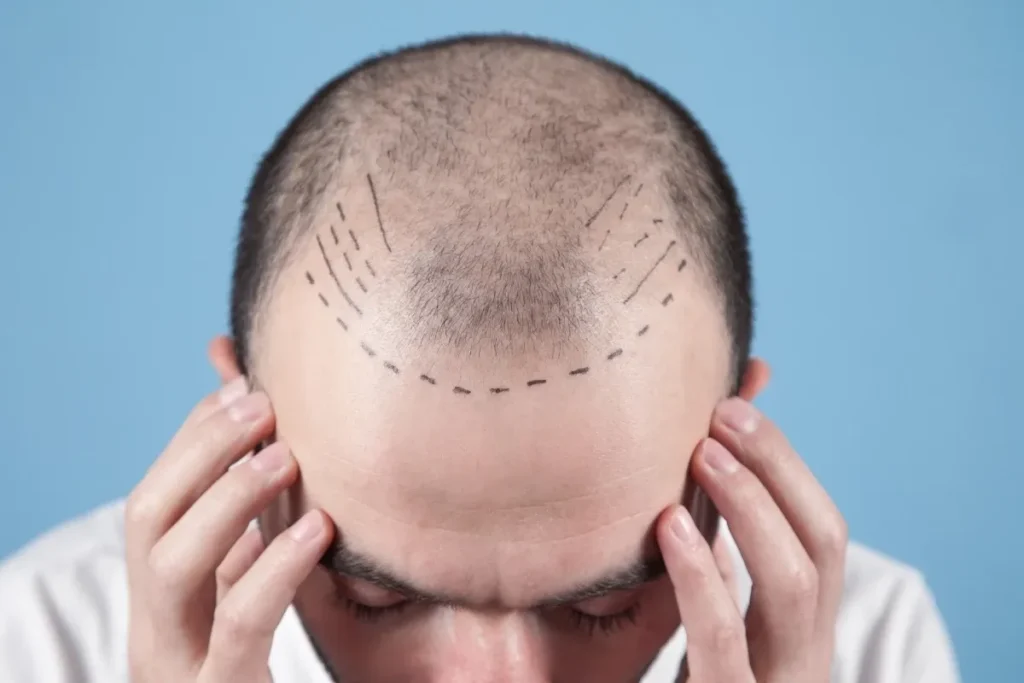
Now, people with severe alopecia areata have access to cutting-edge treatments approved by the FDA. These new therapies have shown great promise in clinical trials. They offer hope to those affected by this condition.
Baricitinib (Olumiant)
Baricitinib, known as Olumiant, is a treatment for severe alopecia areata. It stops certain enzymes that cause inflammation, helping hair to grow back. Studies show it can make 32-35% of people have enough hair on their scalp in 36 weeks.
Ritlecitinib (Litfulo)
Ritlecitinib, or Litfulo, is another FDA-approved treatment for severe alopecia areata. It targets specific pathways that lead to hair loss. Clinical trials have shown it can lead to significant hair regrowth for many patients.
Deuruxolitinib
Deuruxolitinib is the newest FDA-approved treatment for severe alopecia areata. It aims to calm the immune system, reducing inflammation and helping hair grow. Ongoing trials are checking its safety and effectiveness.
The introduction of these FDA-approved treatments is a big step forward for severe alopecia areata. They give healthcare providers effective ways to help their patients. This can lead to more hair growth and a better quality of life for those affected.
Hair Loss Alopecia Areata Treatment Options for Localized Disease
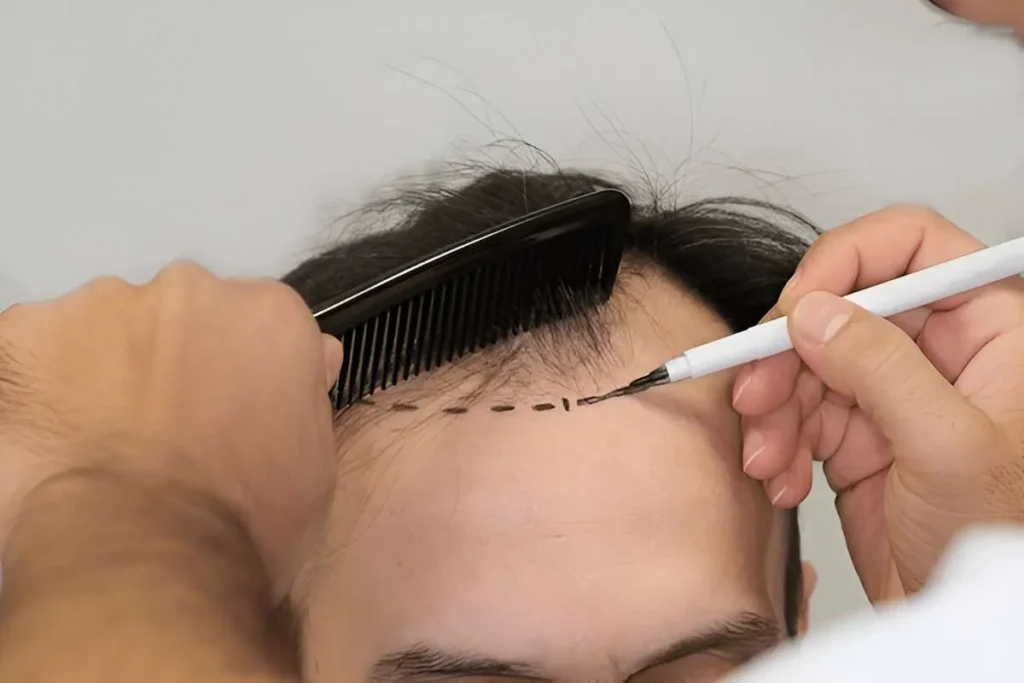
Localized alopecia areata can be treated in several ways to help hair grow back. It’s important to know how well each treatment works and its possible side effects.
Intralesional Corticosteroid Injections
Intralesional corticosteroid injections can help a lot, with a 92% regrowth rate. This method involves injecting corticosteroids directly into the affected area. The shots are given every 4-6 weeks and are usually well-tolerated.
But, there might be side effects like temporary pain, skin thinning, or color changes.
Methotrexate Therapy
Methotrexate therapy is also effective, with a 63.2% success rate. It’s an immunosuppressive drug that helps stop the autoimmune response causing hair loss. While safe, it can cause nausea, tiredness, and liver issues. Regular check-ups are needed to avoid risks.
For more details, check the American Academy of Dermatology’s guide on alopecia areata.
Topical Immunotherapy
Topical immunotherapy uses a chemical to cause an allergic reaction, which can help hair grow back. It’s used for those with extensive or resistant alopecia areata. But, it might cause skin irritation, itching, or blisters.
PUVA Phototherapy
PUVA phototherapy combines psoralen with UVA light. It’s a treatment option for localized alopecia areata. The success rate varies, with an initial response rate ranging from 20-73%. Side effects include nausea, itching, and a higher risk of skin cancer. It’s important to be careful and monitor closely when using PUVA phototherapy.
Knowing the treatment options for localized alopecia areata helps make informed decisions. Always talk to a healthcare professional to find the best treatment for your specific situation.
Conclusion
Understanding and treating alopecia areata is key for those affected. There are many alopecia areata treatment options. This includes FDA-approved treatments and other therapies.
Options like Baricitinib (Olumiant) and Ritlecitinib (Litfulo) are available. So are intralesional corticosteroid injections and topical immunotherapy. These treatment options bring hope to those with hair loss.
Seeing a dermatologist is important to find the best hair loss treatment. They can help choose the right path.
By managing alopecia areata, people can shine and feel beautiful. The right treatment can make you glow and boost your confidence. It’s all about finding the right treatment options and working with a healthcare team.
FAQ
What is alopecia areata?
Alopecia areata is an autoimmune condition. It causes hair loss on the scalp, face, or body. The immune system mistakenly attacks the hair follicles, leading to hair loss.
How is alopecia areata treated?
Treatment for alopecia areata varies based on hair loss severity. Options include FDA-approved medications and other treatments. These include intralesional corticosteroid injections and methotrexate therapy.
What are the FDA-approved treatments for severe alopecia areata?
For severe alopecia areata, the FDA has approved three treatments. Baricitinib, ritlecitinib, and deuruxolitinib have shown great results in clinical trials. Baricitinib achieved a 38% response rate, while ritlecitinib reached 22.8%.
References
New England Journal of Medicine. Evidence-Based Medical Insight. Retrieved from https://www.nejm.org/doi/full/10.1056/NEJMoa2110343[2





