
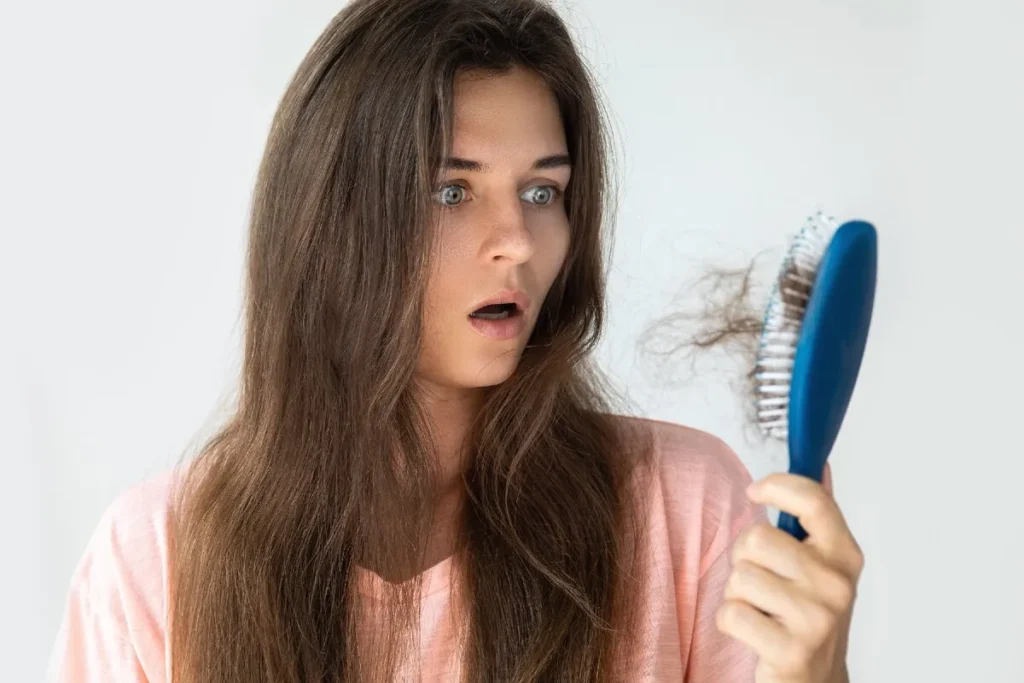
Experiencing hair loss in your twenties can be scary and lonely. But, it’s more common than you might think. Studies show that about 20% of men start to see hair loss by their early twenties.
Seeing your hair thin for the first time can be overwhelming. But, your twenties are a key time to stop hair loss. Getting help from doctors early on is important. It helps prevent more hair loss and keeps your hair healthy.
By taking care of your hair, you can empower your confidence and feel better. GoldCity Center offers trusted help to guide you through this.
Key Takeaways
Approximately 20% of men experience visible hair loss by age 20.
Early intervention is key to stop hair loss from getting worse.
Your twenties are a critical time to prevent hair loss.
Doctors can give you the right advice and treatment.
Dealing with hair loss can really boost your confidence and mood.
Understanding Early Hair Loss in Young Men
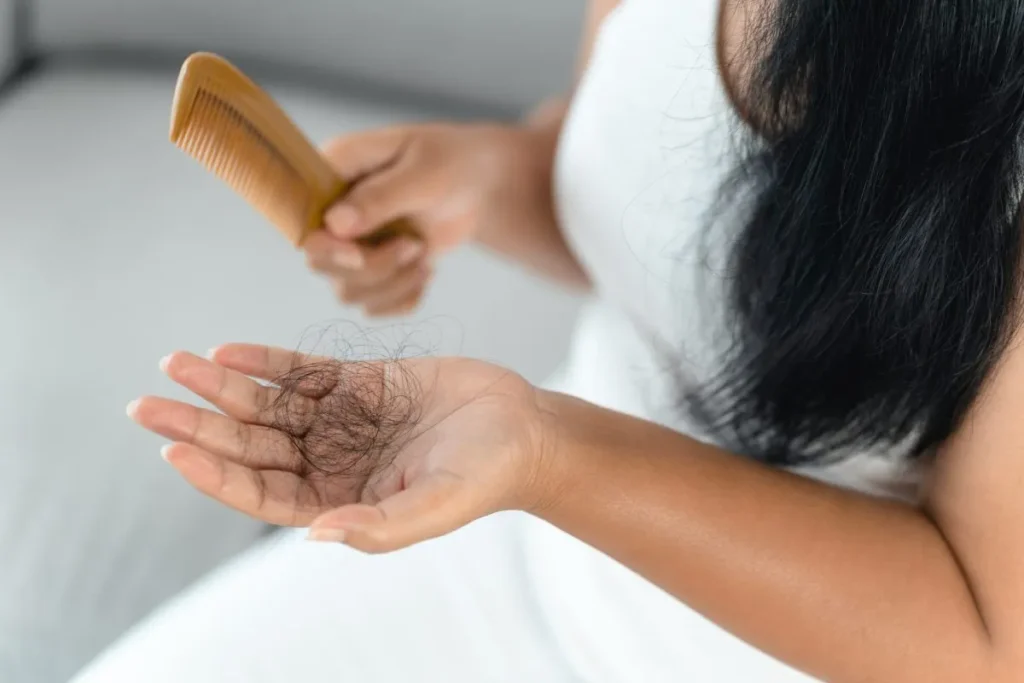
Many young men experience hair loss in their 20s. This can be upsetting, as it goes against the idea of being young and full of life.
The Prevalence of Hair Loss at Age 20
About 25 percent of men with male pattern baldness start losing hair before they’re 21. This shows that early hair loss is more common than people think. 16 percent of men between 18 and 29 experience moderate to extensive hair loss, which is why it’s important to be aware and take action.
Male Pattern Baldness: The Primary Culprit
Male pattern baldness, also known as androgenetic alopecia, causes over 95 percent of hair loss in men. It leads to a receding hairline and thinning at the crown, causing significant hair loss over time.
The Role of DHT and Genetics
Dihydrotestosterone (DHT) is key in male pattern baldness. It’s a strong form of testosterone that makes hair follicles shrink, leading to thinner, shorter hairs. Genetics also play a significant role, as men with a family history of baldness are more likely to lose their hair early.
Understanding why hair loss happens early is the first step to dealing with it. By knowing about genetics, DHT, and other factors, young men can find ways to manage and possibly stop hair thinning.
Hair Loss at 20 Male Solutions: 5 Effective Approaches
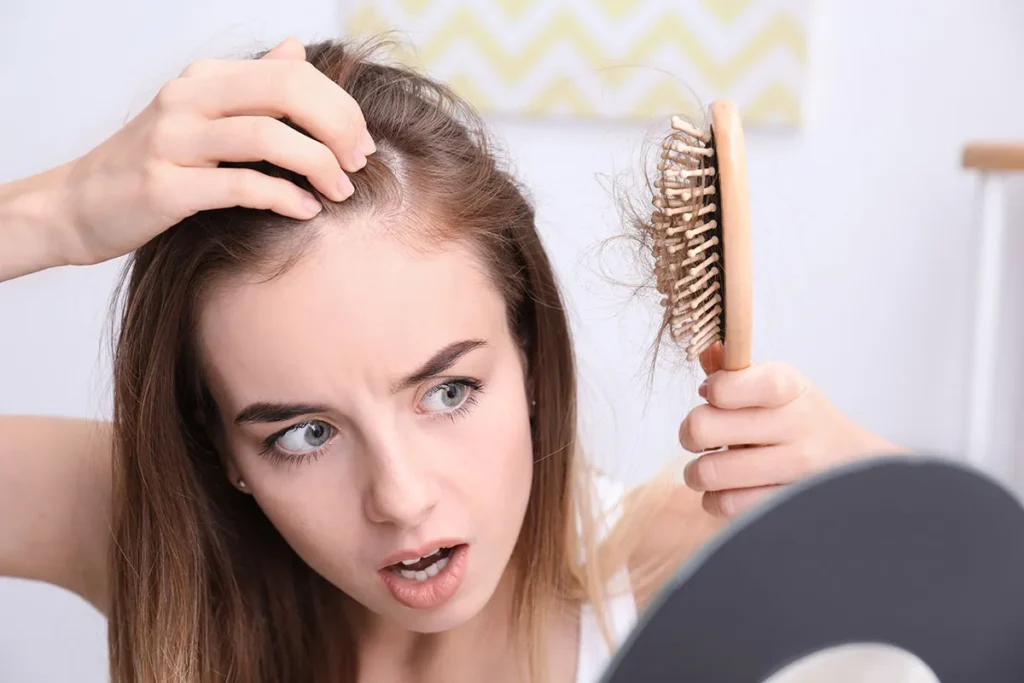
Starting early is key: beginning hair loss prevention in your 20s can save up to 90% more hair. This shows how vital it is to find good solutions for hair loss at 20.
FDA-Approved Medications
The best treatments for hair loss are often FDA-approved. Minoxidil and finasteride are top choices. Minoxidil is applied topically to stimulate hair growth and slow balding. Finasteride, taken orally, blocks DHT, a hormone that causes hair loss.
Natural Supplements and Remedies
Natural supplements are also key for hair health. Saw palmetto blocks DHT like finasteride. Biotin and vitamin D support hair health. Adding these to your routine can help medical treatments work better.
Lifestyle and Dietary Changes
Changing your lifestyle is also vital for hair health. Eating foods rich in omega-3 fatty acids, zinc, and antioxidants helps a lot. Also, managing stress through meditation or yoga can help reduce hair loss.
Advanced Hair Care Techniques
Using advanced hair care techniques also helps. Choose gentle, sulfate-free shampoos and conditioners. Avoid too much heat styling and get regular trims. These steps keep your scalp healthy and promote hair growth.
By using FDA-approved meds, natural supplements, making lifestyle changes, and using advanced hair care, young men can fight hair loss at 20. This way, they can keep a full head of hair for many years.
Beyond Genetics: Addressing Other Causes of Hair Thinning
Many things can affect hair health and cause thinning, aside from genetics. While genes play a big part in hair growth, other factors can also impact hair health, mainly in young adults.
Stress Management for Healthier Hair
Stress can lead to hair loss, often through a condition called telogen effluvium. This causes a lot of hair shedding. Managing stress is key to keeping hair healthy. Activities like meditation, yoga, and deep breathing can help reduce stress.
For more info on managing hair loss at 20, visit
Nutritional Deficiencies and Hair Loss
Lack of iron and biotin can cause hair to thin. It’s important to get enough of these nutrients through food or supplements.
Medical Conditions That Accelerate Hair Loss
Some medical issues, like thyroid problems and autoimmune diseases, can make hair loss worse. It’s important to find and treat these conditions to stop hair thinning.
By tackling these issues and making smart lifestyle choices, people can help keep their hair healthy. This can also lower the chance of hair thinning.
Conclusion: Taking Action Against Hair Loss in Your 20s
Acting early is key to keeping your hair full. If you’re losing hair in your 20s, taking steps now can really help.
It’s tough to lose hair at 20, but starting early is key. Spotting small changes and taking steps can greatly improve your hair health.
Early treatments are 3-5 times more effective than trying to fix hair loss later. This shows how important it is to act fast. By doing so, young men can feel more confident and keep their hair looking great.
FAQ
What are the main causes of hair loss in men in their 20s?
Hair loss in men in their 20s often comes from genetics, hormonal imbalances, and male pattern baldness. Dihydrotestosterone (DHT) is key, shrinking hair follicles and making hair thinner and shorter.
Can hair loss at 20 be treated?
Yes, hair loss at 20 can be treated. Options include FDA-approved medications like minoxidil and finasteride, natural supplements, and lifestyle changes. Advanced hair care and stress management also help.
How effective are natural supplements in addressing hair loss?
Natural supplements like biotin, saw palmetto, and keratin can help grow hair and reduce loss. While results vary, adding these to your diet can be beneficial for hair care.
Can stress cause hair loss?
Yes, stress can lead to hair loss. High stress increases cortisol, a hormone that disrupts hair growth, causing more shedding. Stress management, like meditation or yoga, can help.
Are there any medical conditions that can cause hair loss in young men?
Yes, conditions like thyroid disorders, autoimmune diseases, and skin issues like eczema or psoriasis can cause hair loss. If you’re losing hair, see a doctor to check for underlying conditions.
How can I prevent further hair loss and promote hair health?
To stop hair loss and promote health, eat a balanced diet, reduce stress, and use gentle hair products. Avoid too much heat styling and consider supplements or treatments for hair growth.
Is hair loss at 20 a sign of balding?
Hair loss at 20 might mean balding, but not always. Early treatment can slow or reverse hair loss, so act fast.
Can hair thinning be reversed?
Yes, hair thinning can be reversed with the right treatment and care. Addressing causes like nutritional deficiencies or stress and using growth-promoting treatments can help regrow hair and increase density.
References
National Center for Biotechnology Information. Treatment options for androgenetic alopecia: Efficacy, side effects, compliance, financial considerations, and ethics. Retrieved from https://pmc.ncbi.nlm.nih.gov/articles/PMC9298335/





