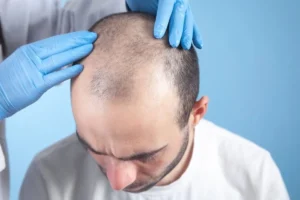
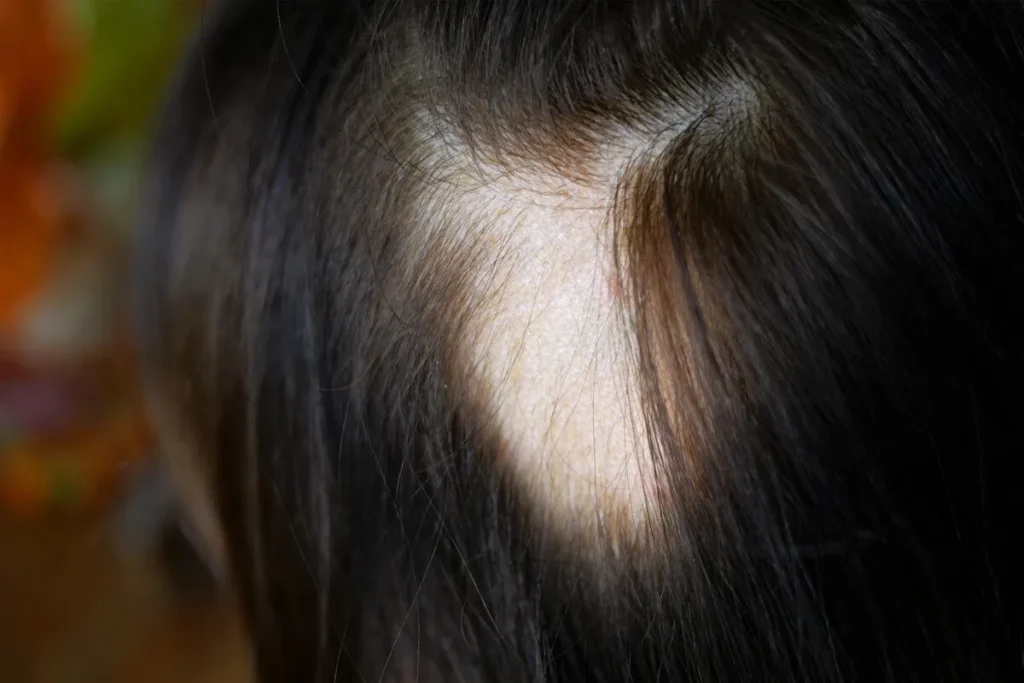
Seeing your hair thin in your twenties can be scary. But, this age is your best chance to stop it. Early action is vital for keeping your hair thick and healthy.
About 25% of men start losing hair before they’re 21. While genes matter, your lifestyle also affects when and how fast you lose hair. At GoldCity Center, we know how hard it is to lose hair early. We use the latest in skin care to help you keep your hair.
Key Takeaways
Understand the causes of early hair loss
Learn how lifestyle factors contribute to premature balding
Discover cutting-edge treatments for hair loss prevention
Find out how early intervention can lead to successful prevention
Explore the role of genetics in hair loss at a young age
Understanding Hair Loss at a Young Age: Causes and Risk Factors
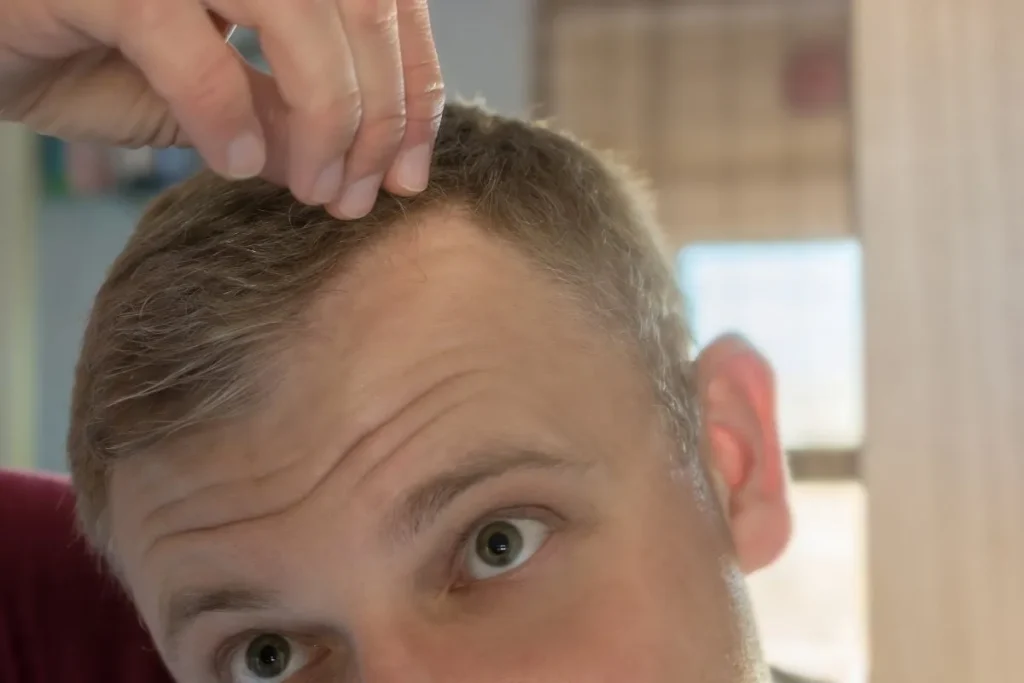
Hair loss in young adults is complex, influenced by genetics, hormones, and lifestyle. It’s a slow process that starts early in adulthood.
The Prevalence of Early Balding
Early balding is more common than you might think. It affects many young adults, causing stress and affecting self-esteem. Studies show androgenetic alopecia causes over 95% of hair loss in men, showing genetics’ big role.
Genetic Predisposition and Hereditary Factors
Genetics are key in hair loss. If your family members bald early, you might too. Knowing your genetic risk helps you prevent it.
Lifestyle and Environmental Triggers
Lifestyle and environment also play big roles in hair loss. Stress, bad diet, and too much styling can make hair loss worse. Eating well, managing stress, and gentle hair care can help.
Understanding hair loss causes helps you prevent it. You can take steps to stop it, focusing on visible results.
Effective Strategies to Combat Early Hair Loss
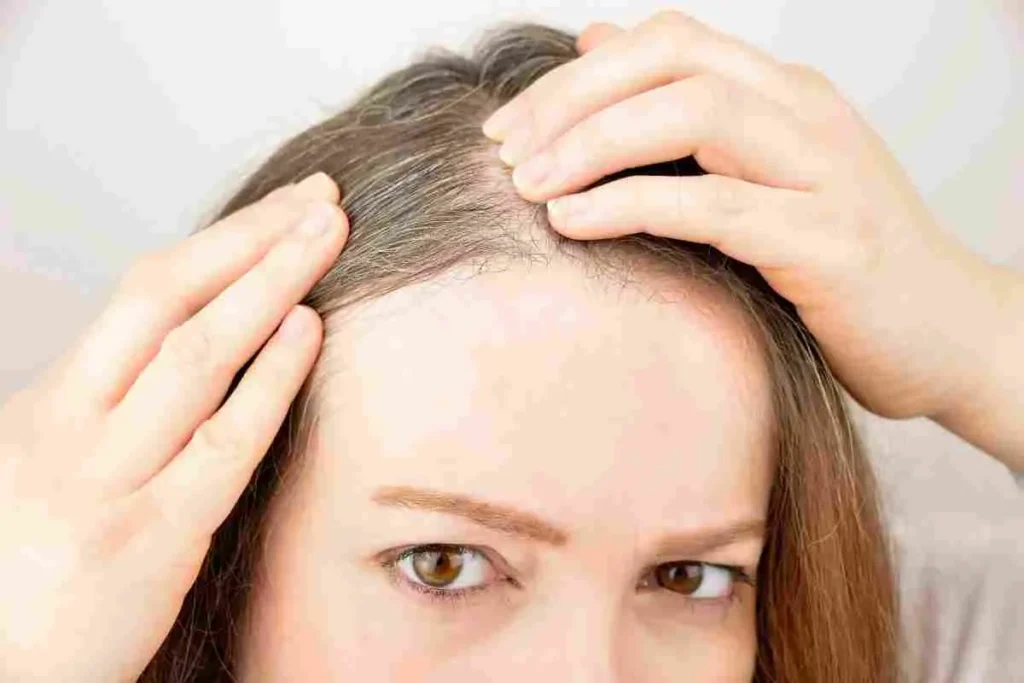
Stopping early hair loss needs a mix of medical help, lifestyle changes, and careful hair care. A full plan can help fight hair loss early on.
Medical Treatments and Solutions
Medical help is key in fighting early hair loss. FDA-approved treatments like minoxidil and finasteride work well. They slow down hair loss and help hair grow.
Minoxidil: Applied topically to stimulate hair growth and slow down hair loss.
Finasteride: Taken orally to reduce the production of dihydrotestosterone (DHT), a hormone that contributes to hair loss.
Low-Level Laser Therapy (LLLT) is another option. It uses a low-level laser or light to help hair grow.
Lifestyle Modifications
Changing your lifestyle can also help with early hair loss. A balanced diet full of vitamins and minerals is key. Foods like iron, zinc, and biotin are good for your hair.
Eat foods high in omega-3 fatty acids, like salmon and walnuts, to nourish your scalp.
Reduce stress through meditation, yoga, or other relaxation techniques, as high stress levels have been linked to hair loss.
Hair Care Practices
Being gentle with your hair is important to prevent more loss. Using sulfate-free shampoos and avoiding too much heat styling helps keep your hair healthy.
Use a wide-tooth comb to gently detangle your hair, reducing breakage.
Avoid tight hairstyles that pull on the hair follicles, such as braids or ponytails.
If you’re losing a lot of hair, see a dermatologist. They can give you advice and a treatment plan that fits your needs.
By using medical treatments, making lifestyle changes, and taking care of your hair, you can fight early hair loss.
Conclusion: Taking Control of Your Hair Health
Starting early with hair care is key to a healthy, shiny mane. Knowing why hair loss happens young and taking steps to stop it can help a lot. This way, you can avoid early baldness.
Studies show that acting in your twenties is the best way to keep your hair healthy for life. Spotting small changes early and acting fast can lead to better results. This helps prevent hair thinning at a young age.
If you’re a man losing hair early, a good hair care plan is vital. This includes medical treatments, changing your lifestyle, and being gentle with your hair. Taking charge of your hair health can lead to a fuller, healthier head of hair for years.
Be proactive to prevent baldness from a young age. The right steps can help you keep a full, vibrant mane. This boosts your well-being and confidence.
FAQ
What are the main causes of hair loss at a young age?
Hair loss at a young age comes from genetics, lifestyle, and the environment. Knowing these causes helps find the right treatment.
How can I prevent balding at a young age?
To stop balding early, live a healthy life. Use gentle hair care and think about medical treatments if needed.
Are there any effective medical treatments for early hair loss?
Yes, there are treatments for early hair loss. These include medicines that help hair grow and slow down loss.
Can lifestyle changes really make a difference in preventing hair loss?
Yes, they can. Eating well, reducing stress, and avoiding too much heat styling helps keep hair healthy and prevents loss.
How can I promote healthy hair growth?
For healthy hair growth, take care of your hair right, eat well, and avoid things that harm hair, like too much styling and harsh chemicals.
When should I consult a dermatologist about my hair loss?
See a dermatologist if you’re losing a lot of hair or it’s getting thinner. They can give you advice and treatments tailored for you.
Is premature balding reversible?
Reversing early balding is hard, but starting treatments and making lifestyle changes early can slow it down or stop it.
How does stress contribute to hair loss?
Stress can mess up the hair growth cycle. This leads to more shedding and thinner hair.
Can certain hairstyles contribute to hair loss?
Yes, styles that pull tight, like tight braids or ponytails, can cause hair loss over time.
References
National Center for Biotechnology Information. A Practical Approach to the Diagnosis and Management of Hair Loss in Children and Adolescents. Retrieved from https://pmc.ncbi.nlm.nih.gov/articles/PMC5522886/