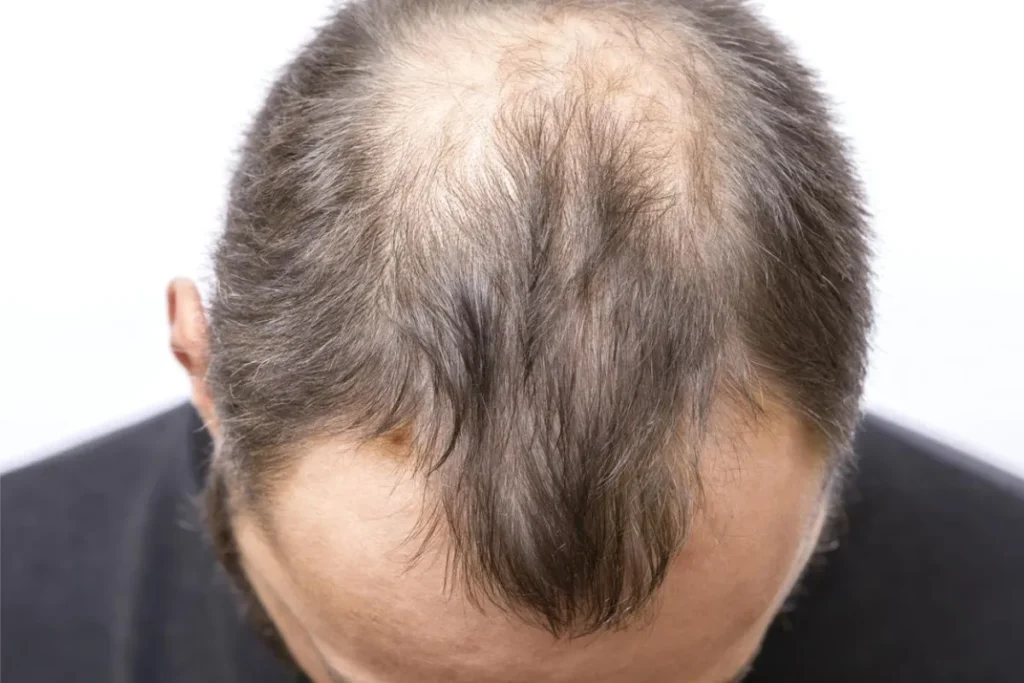
As women age, hair loss becomes a significant concern, affecting over 50% of women worldwide. Unlike men, whose hair loss is often socially normalized, women face unexpected emotional impact when they notice thinning hair during midlife and beyond.
GoldCity Center recognizes that managing hair loss requires more than temporary solutions; it demands a comprehensive, evidence-based approach rooted in understanding the biological changes that occur with age. Discover how hormonal shifts and aging affect hair growth, and learn about effective treatments to restore your radiant glow and confidence.
Key Takeaways
Understand the causes of hair loss after 50
Explore effective treatments for promoting hair growth
Learn how to restore your hair’s health and vitality
Discover the importance of a comprehensive approach to managing hair loss
Empower yourself with knowledge to own your beauty and confidence
Understanding Hair Loss Over 50: Causes and Risk Factors
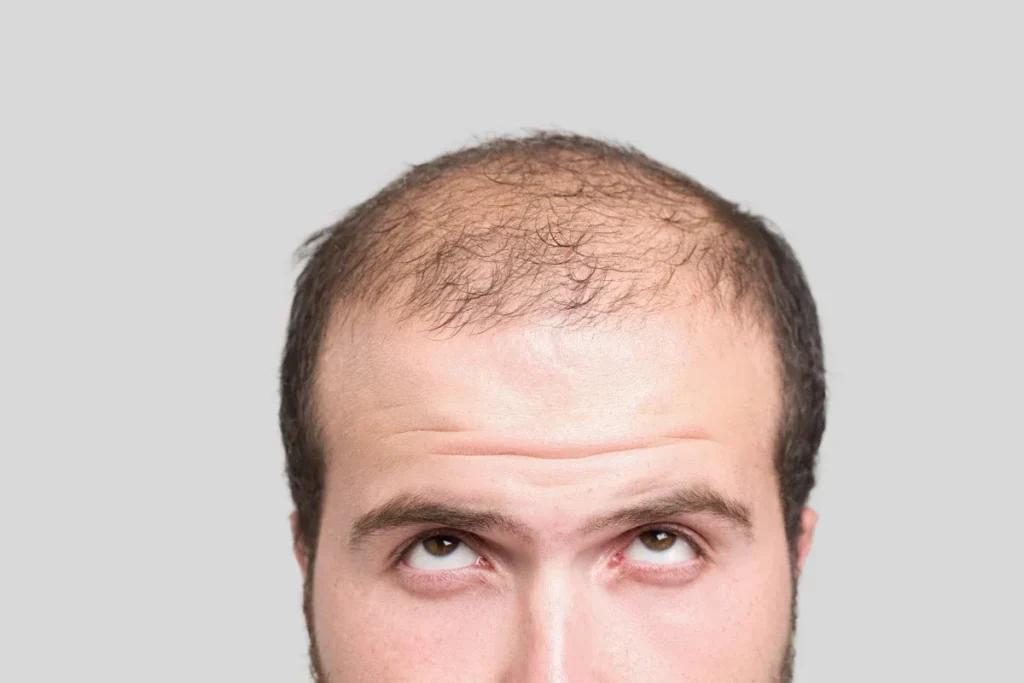
Hair loss in people over 50 comes from many sources. These include age-related changes, hormonal shifts, and genetics.
Age-Related Changes in Hair Growth Cycles
As we get older, our hair grows slower and becomes thinner. Normal hair growth goes through three phases: growth, transitional, and resting. With age, the growth phase gets shorter. This means hair grows slower and falls out more easily.
, this natural aging process is a big reason for hair loss in older adults.
Hormonal Shifts During and After Menopause
Hormonal changes, like those during and after menopause, are key for hair loss in women over 50. The drop in estrogen levels can cause hair to thin and fall out. Estrogen keeps hair in the growth phase. When estrogen drops, hair falls out more easily.
Also, the rise in androgens can make hair follicles shrink. This leads to hair loss.
Genetic and Health-Related Factors
Genetics also play a big role in hair loss after 50. If your family has a history of baldness or hair loss, you might get it too. Health issues like not getting enough nutrients, taking certain medicines, or having certain health problems can also cause hair loss. For example, not getting enough iron, zinc, or biotin can harm hair health.
Androgenetic alopecia: A common condition causing hair loss due to hormonal influences.
Telogen effluvium: A condition that causes excessive hair shedding due to stress or nutritional deficiencies.
Scarring alopecia: A condition where inflammation destroys hair follicles, leading to permanent hair loss.
Knowing the causes and risk factors of hair loss is key to dealing with it. By understanding why it happens, people can find the right treatments and make smart choices for their hair.
Effective Treatments and Solutions for Hair Loss
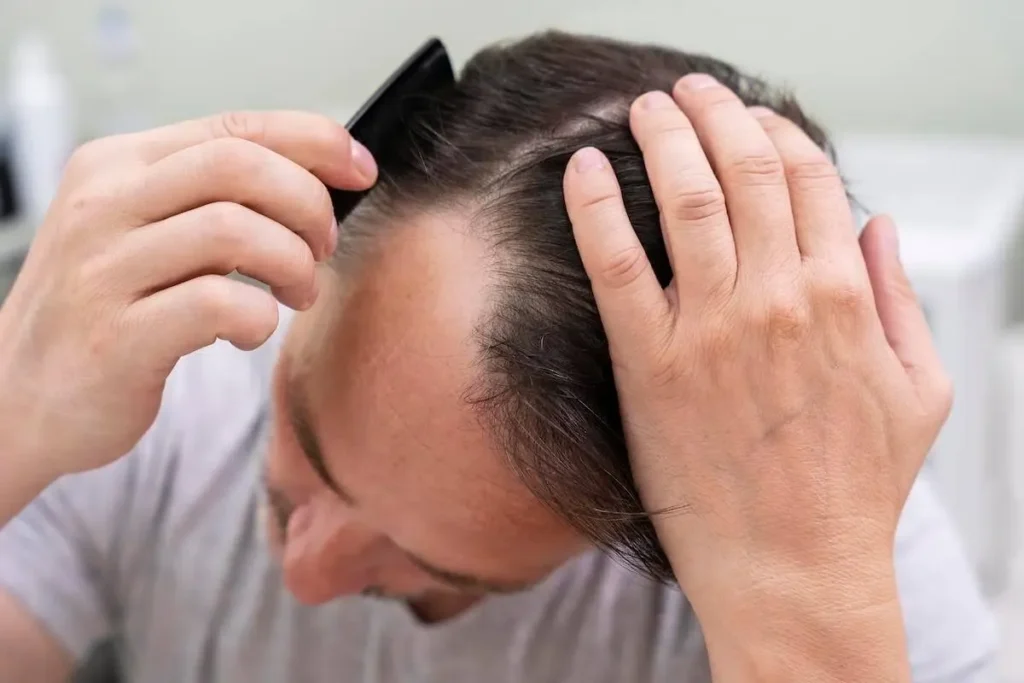
Starting your journey to thicker, healthier hair after 50 means learning about treatments. Hair loss can be a big worry as we age. But, there are many ways to help your hair grow back and stay healthy.
Medical Interventions and Prescription Options
Medical treatments are often the first step against hair loss. Minoxidil is a well-known topical treatment that boosts hair growth. Finasteride is also effective, mainly for men with balding.
These treatments have been proven to work. For example, minoxidil can make your hair thicker and denser. Always talk to a doctor to find the right treatment for you.
Over-the-Counter Products and Topical Treatments
OTC products also help with hair loss. Nutritional supplements like biotin and vitamin D support hair health. Topical treatments with keratin and saw palmetto strengthen hair follicles.
When picking OTC products, choose ones with science-backed ingredients. Saw palmetto, for instance, may help block a hormone linked to hair loss.
Professional Procedures and Therapies
For more serious hair loss, try laser therapy or mesotherapy. Laser therapy uses light to stimulate hair growth. Mesotherapy injects nutrients into the scalp to boost hair health.
Hair transplantation is another option for those with a lot of hair loss. It moves healthy hair follicles to bald spots, making hair look natural.
Lifestyle Changes for Healthier Hair
Changing your lifestyle can also help your hair. Eating well, exercising, and managing stress are key. These habits can lead to healthier, thicker hair.
Using a gentle hair care routine and avoiding too much heat styling can also help. Combining these lifestyle changes with medical treatments can help you achieve thicker, healthier hair after 50.
Conclusion
Women over 50 need to understand why they lose hair. Age, hormones, and genes play big roles. But, there are many ways to help hair grow back.
It’s natural to wonder if hair stops growing with age. But, hair growth can be helped by medical care, lifestyle changes, and professional treatments. WebMD says a full approach is needed to fight hair loss.
By taking care of your hair, you can shine from the inside out. If you’re losing hair or want to make it healthier, you can. Celebrate your unique beauty and individuality.
With the right treatments and self-care, you can glow with timeless beauty. Your hair journey is a path that changes with you. It’s never too late to begin.
FAQ
What are the main causes of hair loss in women over 50?
Hair loss in women over 50 comes from several sources. Age changes how hair grows, and hormonal shifts during menopause play a role. Genetics and health issues also contribute.
Does hair growth slow down with age?
Yes, hair growth slows with age. The growth phase gets shorter, and the resting phase gets longer.
Can hormonal changes during menopause affect hair growth?
Yes, hormonal changes during menopause can cause hair loss. The drop in estrogen levels is a big factor.
Are there any effective treatments for hair loss after 50?
Yes, many treatments work for hair loss after 50. These include medical options, over-the-counter products, professional treatments, and lifestyle changes.
What are some clinically proven treatments for hair loss?
Proven treatments include minoxidil, finasteride, and low-level laser therapy (LLLT). They help grow hair and reduce shedding.
Can lifestyle changes help promote hair growth?
Yes, a healthy diet, less stress, and gentle hair care can boost hair growth. They improve overall hair health.
At what age does hair stop growing?
Hair doesn’t stop growing completely at any age. But, the growth rate slows down, and the cycle becomes less efficient with age.
Is hair loss after 50 a normal part of aging?
Some hair loss is common with aging. But, it’s not a must-have part of aging. There are many treatments and solutions to help.
Can women over 60 stil achieve healthy and thick hair?
Yes, women over 60 can have healthy and thick hair. The right treatments, lifestyle changes, and hair care routine are key.
References
National Center for Biotechnology Information. Evidence-Based Medical Insight. Retrieved from https://pmc.ncbi.nlm.nih.gov/articles/PMC5312176/





