When distressing symptoms like falling hair and red, itchy patches on the scalp appear, it’s a sign your body needs help. A trusted dermatologist should be called right away.
Scalp rashes can cause hair loss by damaging follicles and causing inflammation. This problem affects millions of people of all ages and backgrounds.
At GoldCity Center, our top dermatology team knows treating these issues together is key. They offer quick solutions and expert advice. This helps you get a healthy scalp and a glowing face.
Key Takeaways
Understanding the link between scalp conditions and hair loss is important.
Expert dermatological advice can provide effective solutions.
Comprehensive treatment plans can help regain a healthy scalp.
Addressing hair loss and skin rash together is key to successful treatment.
GoldCity Center offers cutting-edge dermatological care.
Understanding the Connection Between Skin Rash and Hair Loss
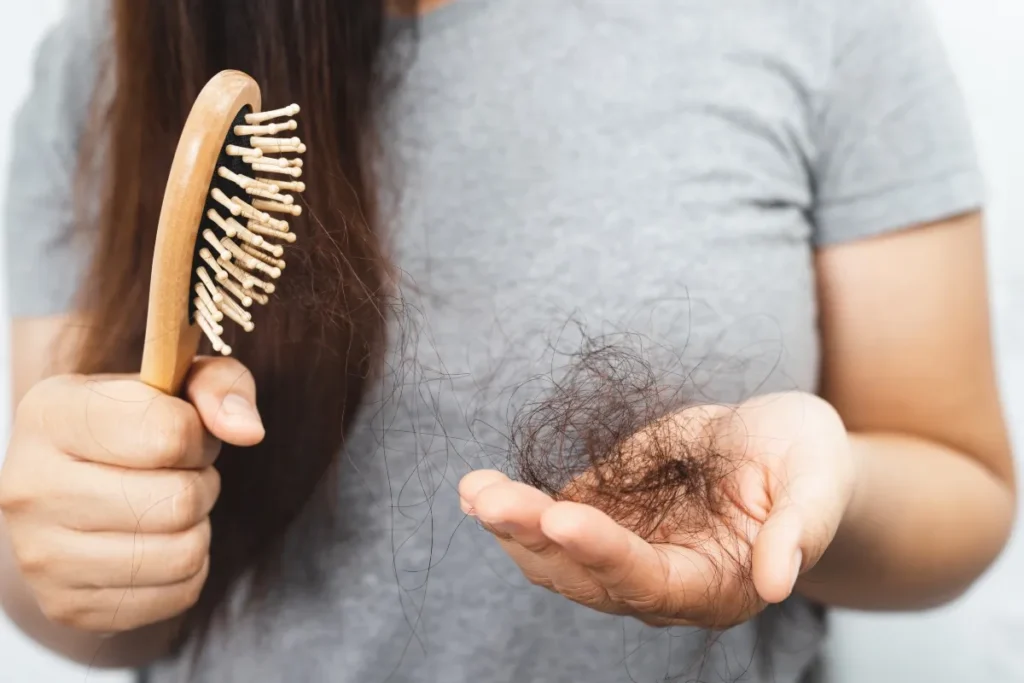
Inflammatory scalp conditions can cause hair loss. It’s important to understand this link. The scalp is a complex area where hair, oil glands, and skin cells work together. When this balance is upset, it can lead to scalp problems and hair loss.
The Science Behind Inflammatory Scalp Conditions
Inflammatory scalp conditions happen when the immune system overreacts. This reaction can harm hair follicles and disrupt hair growth. The science behind it involves immune cells, cytokines, and other molecules.
Key factors contributing to inflammatory scalp conditions include:
Genetic predisposition
Environmental triggers
Imbalanced immune response
Skin conditions like seborrheic dermatitis, atopic dermatitis, and contact dermatitis
Common Conditions: Seborrheic Dermatitis, Atopic Dermatitis, and Contact Dermatitis
Seborrheic dermatitis causes flaky, itchy scalp skin. It often leads to redness and irritation. Atopic dermatitis, or eczema, can also affect the scalp, causing inflammation and hair loss. Contact dermatitis happens when the scalp reacts to an allergen or irritant, damaging hair follicles.
Seborrheic dermatitis is a common condition worldwide. Studies show that half of all adults have dandruff, a sign of seborrheic dermatitis, at some point.
Prevalence and Risk Factors
Inflammatory scalp conditions are common. Risk factors include genetics, stress, hormonal changes, and lifestyle. Knowing these risk factors can help prevent or manage these conditions.
Prevalence statistics:
Seborrheic dermatitis affects about 3-5% of people.
Atopic dermatitis affects 10-15% of children and 1-3% of adults.
Contact dermatitis is widespread, but exact rates vary by population and irritant exposure.
Identifying Your Specific Hair Loss Rash Condition

Hair loss rashes come in many forms, and finding the exact cause is key to treating it. The first step is to know what your rash looks like and what warning signs it has.
Visual Symptoms and Warning Signs
Red dots on your scalp might mean you have an infection or an allergic reaction. A shiny red rash could show inflammation or irritation. It’s important to watch these signs closely.
Other signs include redness, itching, and flaky skin. Sometimes, the rash can cause hair loss, which can be upsetting. Spotting these signs early can help you get medical help quickly.
Differentiating Between Various Scalp Conditions
Many scalp issues can cause hair loss rashes, like psoriasis, seborrheic dermatitis, and folliculitis. Each has its own signs that help doctors figure out what you have.
When to Seek Professional Medical Help
If your hair loss rash symptoms don’t go away or get worse, see a doctor. A dermatologist can diagnose and suggest treatments.
If you have intense itching, a lot of hair loss, or if the rash gets bigger, get help fast. Early treatment can stop more problems and help your hair grow back.
Effective Treatments for Hair Loss Rash: Medical and Natural Solutions
Find the best ways to treat hair loss rash. We’ll look at medical options and natural remedies. A good plan should include medical help, lifestyle changes, and natural solutions.
Prescription Treatments
For serious hair loss rash, prescription treatments are key. You might need antifungal meds, corticosteroids, or antibiotics. A dermatologist can also prescribe medicated shampoos to help.
Over-the-Counter Options
For lighter cases, over-the-counter (OTC) options can help. You can try antifungal creams or shampoos with ketoconazole or zinc pyrithione. Always read the labels and talk to a doctor if problems don’t go away.
Natural Remedies and Lifestyle Changes
Natural solutions and lifestyle changes are also important. Switch to gentle hair products without harsh chemicals. For more tips, check out Medical News Today. Stress-reducing activities like meditation or yoga are good for your scalp too.
By mixing these methods, you can create a treatment plan that works for you. You can use medical treatments, natural remedies, or both. There are many ways to tackle hair loss rash.
Conclusion: Prevention Strategies and Long-Term Management
Preventing hair loss rash is a multi-step process. It includes avoiding triggers, using gentle hair care, and living a healthy lifestyle. People with conditions like pink lichen rash or red patches on the scalp need to be extra careful.
Managing hair loss rash means having a skincare routine for your scalp. Choose products without harsh chemicals to avoid irritation. This can also help prevent mouth ulcers and rash on the body.
For long-term management, take care of your scalp regularly, eat well, and manage stress. These steps help keep your scalp healthy and reduce hair loss rash. Your journey to a healthier scalp is a transformative one, where “Your glow-up story starts here.”
By improving your routine and focusing on scalp health, you can achieve a radiant glow and timeless beauty. Unlock your inner glow and own your beauty with a complete approach to preventing and managing hair loss rash.
FAQ
What is the connection between skin rash and hair loss?
Inflammatory scalp conditions like seborrheic dermatitis can cause hair loss. This is because the inflammation and irritation they trigger lead to hair loss rash.
What are the visual symptoms of a hair loss rash?
Visual symptoms include a shiny red rash and red dots on the scalp. You might also see red patches on the scalp with hair loss. Itchy skin and sore mouth can also occur.
How can I differentiate between various scalp conditions?
To differentiate scalp conditions, look at the rash’s appearance, location, and symptoms. Consulting a dermatologist for a proper diagnosis is often necessary.
What are the effective treatments for hair loss rash?
Treatments include prescription and over-the-counter options. Natural remedies like tea tree oil and coconut oil can also help. They soothe the scalp and promote hair growth.
Can hair loss rash be prevented?
Yes, prevention is possible. Avoid triggers, use gentle hair care products, and maintain a healthy lifestyle. This minimizes the risk of scalp conditions.
What lifestyle changes can help manage hair loss rash?
Maintain a balanced diet and reduce stress. Using gentle hair care products also helps manage hair loss rash. These steps promote scalp health.
When should I seek professional medical help for hair loss rash?
If symptoms persist or worsen, seek medical help. This includes intense itching, burning, or significant hair loss. A dermatologist can provide the right diagnosis and treatment.
Are there any natural remedies for hair loss rash?
Yes, natural remedies like aloe vera, tea tree oil, and coconut oil can help. They soothe the scalp and reduce inflammation, creating a healthy environment for hair growth.
Can a shiny bumpy rash on the scalp cause hair loss?
Yes, a shiny bumpy rash can be a symptom of an underlying scalp condition. If left untreated or poorly managed, it can lead to hair loss.
How can I manage itchy skin and hair loss?
Manage itchy skin and hair loss by using gentle hair care products. Avoid harsh chemicals and treat underlying scalp conditions with medical or natural remedies.
What is the role of diet in managing hair loss rash?
A balanced diet rich in vitamins and minerals is key. Include zinc and omega-3 fatty acids to support scalp health and manage hair loss rash.
References
National Center for Biotechnology Information. Evidence-Based Medical Insight. Retrieved from https://pubmed.ncbi.nlm.nih.gov/26432190/