
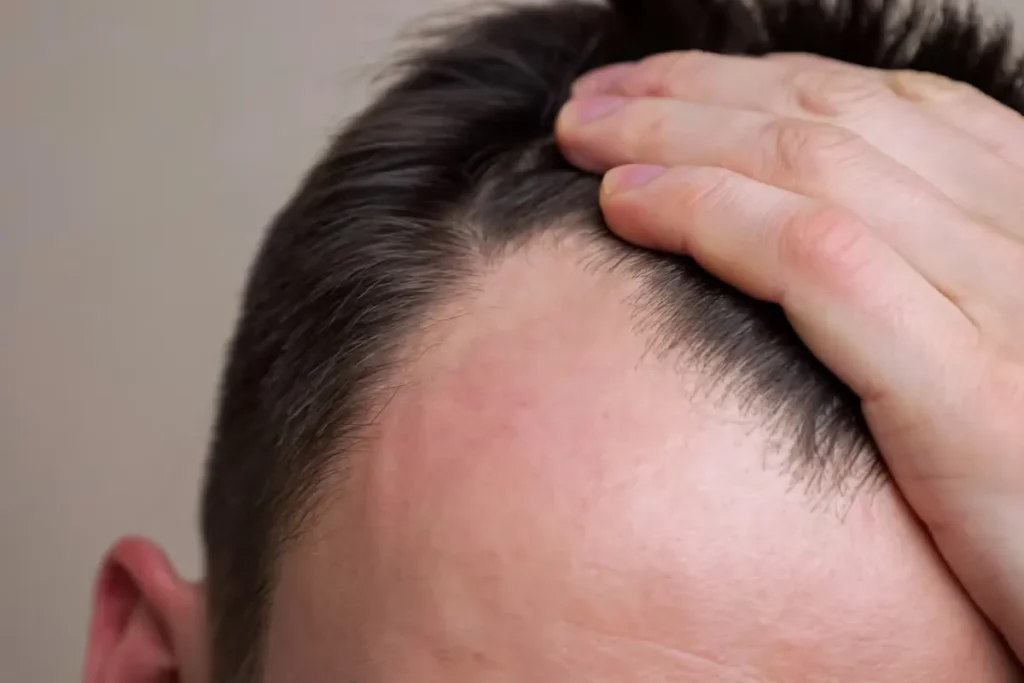
Hair loss in black women is a big worry, hitting one-third to one-half of women of African descent over their lifetime. Medical Expert. Agbai, a board-certified dermatologist, says, “Black women face unique challenges with hair loss.”
This issue isn’t just about hair; it also hurts self-esteem and confidence. Different types of alopecia hit black women hard, making it key to know the causes and fixes.
At GoldCity Center, we get the need for special dermatology care that understands black women’s needs. Our team focuses on you, giving treatment solutions that work for black women.
Key Takeaways
Understanding the causes of hair loss is key to good treatment.
Specialized dermatology care is a must for black women.
Proven treatment solutions can stop permanent damage.
Care that gets the culture right improves results.
Teaching black women about their hair care is very important.
Understanding Common Types of Hair Loss in Black Women
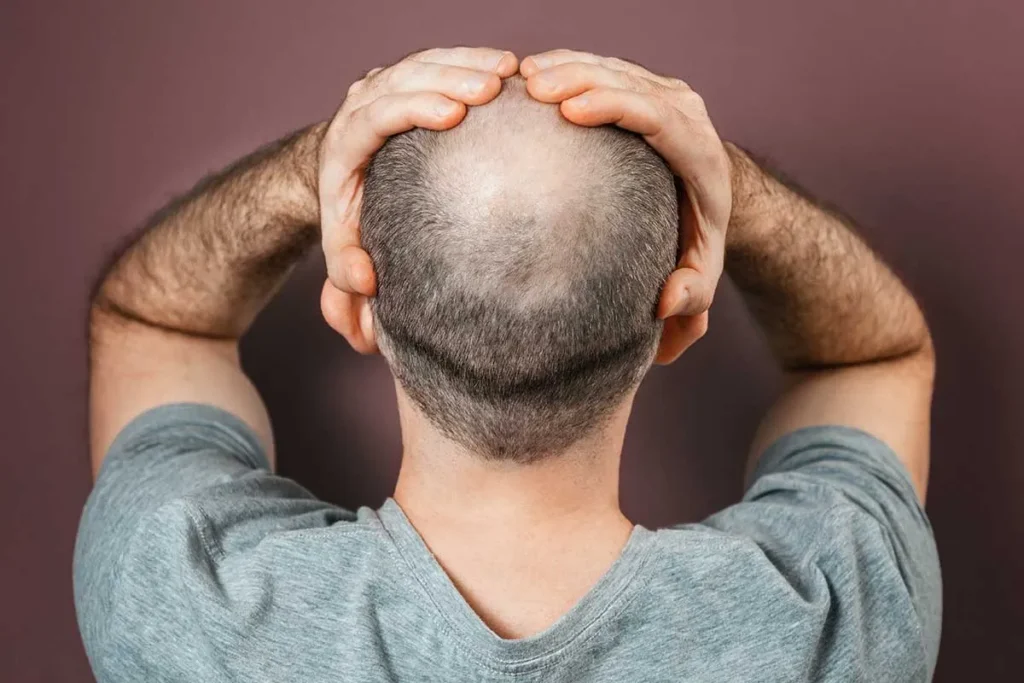
Black women face unique challenges with hair loss. Knowing the causes is key to finding the right treatment. Hair loss can be upsetting, and finding the root cause is vital.
Central Centrifugal Cicatricial Alopecia (CCCA)
Central Centrifugal Cicatricial Alopecia (CCCA) is a common issue for black women. It starts in the scalp’s center and spreads outwards. This condition causes scarring, leading to permanent hair loss if not treated early.
CCCA might be caused by genetics and environmental factors. Hairstyles that pull on the hair follicles can also play a role.
Early diagnosis and treatment are critical to stop permanent damage. Doctors may prescribe medications to fight inflammation and encourage hair growth.
Traction Alopecia from Tight Hairstyles
Traction alopecia is another common problem. It’s caused by hairstyles that pull on the hair, like tight braids or ponytails. This constant pulling can damage the hair follicles, causing hair loss, mainly around the hairline.
To avoid traction alopecia, change your hairstyles often. Also, avoid hairstyles that pull too hard on your hair. Giving your hair breaks from tight styles can help prevent hair loss.
Androgenetic Alopecia and Other Forms
Androgenetic alopecia, or female pattern hair loss, is a genetic condition. It causes thinning hair around the part and crown. Other hair loss types, like alopecia areata, can also occur, leading to patchy hair loss.
Knowing the different hair loss types is important for finding the right treatment. A doctor or dermatologist can help diagnose and suggest treatments.
Importance of Professional Diagnosis
Getting a professional diagnosis is key to finding the right treatment. A dermatologist can look at your scalp, review your medical history, and suggest treatments based on your condition.
By getting professional advice, black women can start addressing hair loss. This can help them regain their confidence.
Why Black Women Are More Susceptible to Hair Loss

Black women face a higher risk of hair loss due to their hair’s unique structure and cultural styling habits. It’s important to understand these factors to tackle hair loss effectively.
Natural Hair Structure and Characteristics
Black hair is tightly coiled, making it fragile and dry. This texture makes black hair more prone to breakage. Black hair has lower density and fewer follicles, adding to its vulnerability.
Special care is needed to keep afro-textured hair healthy. Using gentle products and protective styles can help prevent damage and promote healthier hair.
Impact of Cultural Styling Practices
Cultural styling practices significantly impact hair loss in black women. Methods like tight braiding, weaving, and hair extensions can cause traction alopecia. These practices, though valued, can harm hair health if not done right.
To lessen these risks, it’s key to use gentle styling techniques and give hair breaks from tight styles. Choosing looser braids and using lighter hair extensions can reduce follicle strain.
Effective Hair Loss Treatment for Black Females
Hair loss in black females can be treated with medical care, protective styles, and good nutrition. Many hair loss issues can be fixed, leading to better hair health and growth.
Medical Treatments and Prescription Options
Medical treatments are key for hair loss, like Central Centrifugal Cicatricial Alopecia (CCCA). Metformin helps by reducing inflammation and encouraging hair growth. Other treatments include anti-androgen meds and corticosteroids for different alopecia types.
Seeing a dermatologist is important to find the cause of hair loss. They can create a treatment plan tailored to your needs.
Protective Styling Techniques
Protective styling is essential for black females with hair loss. Braiding, twisting, and bantu knots reduce hair damage and prevent alopecia. Avoid tight styles that can harm your hair.
Natural and Over-the-Counter Remedies
Natural and over-the-counter treatments can help with hair loss. Saw palmetto, biotin, and keratin promote hair health. You can find these in shampoos, conditioners, and hair masks.
Natural oils like castor and coconut oil nourish the scalp and encourage hair growth. Always test new products to avoid allergic reactions.
Nutritional Support and Supplements
Good nutrition is vital for hair health. Eating foods rich in vitamins and minerals, like vitamin D and omega-3 fatty acids, helps. Supplements can also be helpful, but talk to a doctor before starting them.
Combining medical treatments, protective styles, natural remedies, and nutrition helps black females fight hair loss. This approach leads to healthier, stronger hair.
Conclusion
Hair loss in African American women is a complex issue. It needs a complete treatment plan. By knowing about black alopecia and African American balding, women can start to feel better.
It’s important to catch hair loss early and treat it right away. This helps stop more hair from falling out and encourages new growth. With the right mix of medical care, protective styles, and good nutrition, black women can have healthier, fuller hair.
Experts say that treating hair loss in black hair needs a custom plan. By learning about the causes and treatments, black women can manage their hair health. This leads to a radiant, healthy look.
With the right steps, it’s possible to stop hair loss and grow more hair. This way, black women can regain their confidence and have a fuller head of hair.
FAQ
What are the most common types of hair loss affecting black females?
Black females often face hair loss due to Central Centrifugal Cicatricial Alopecia (CCCA), traction alopecia, and androgenetic alopecia. Knowing about these conditions is key to finding the right treatment.
How does hair structure contribute to hair loss in black women?
The tightly coiled hair of black women is more fragile and dry. This makes it more likely to fall out.
Can certain hairstyles cause hair loss?
Yes, tight hairstyles can pull on hair follicles, causing traction alopecia. This is a common issue for black women.
What medical treatments are available for hair loss in black females?
Medications like Metformin might help with conditions like CCCA. Doctors may suggest other treatments based on the diagnosis.
Are there any natural remedies that can help with hair loss?
Yes, natural remedies and good nutrition can help hair health. Combining these with medical treatments can lead to better hair health and growth.
How can black women prevent hair loss?
Using protective styles, avoiding tight hairstyles, and good hair care can prevent hair loss. Early detection and a personalized treatment plan are also important.
Is hair loss in black females permanent?
Not always. CCCA can cause permanent hair loss if not treated early. But, traction alopecia and androgenetic alopecia can be managed with the right treatment.
What role does nutrition play in treating hair loss?
Nutrition and supplements are key for healthier hair and growth. Eating a balanced diet with essential nutrients is important for hair health.
Why is professional diagnosis important for treating hair loss?
A professional diagnosis is vital to find the exact cause of hair loss. It helps create a treatment plan that meets the individual’s needs.
References
National Center for Biotechnology Information. Medical and surgical therapies for alopecias in black women. Retrieved from https://pubmed.ncbi.nlm.nih.gov/15113284/





