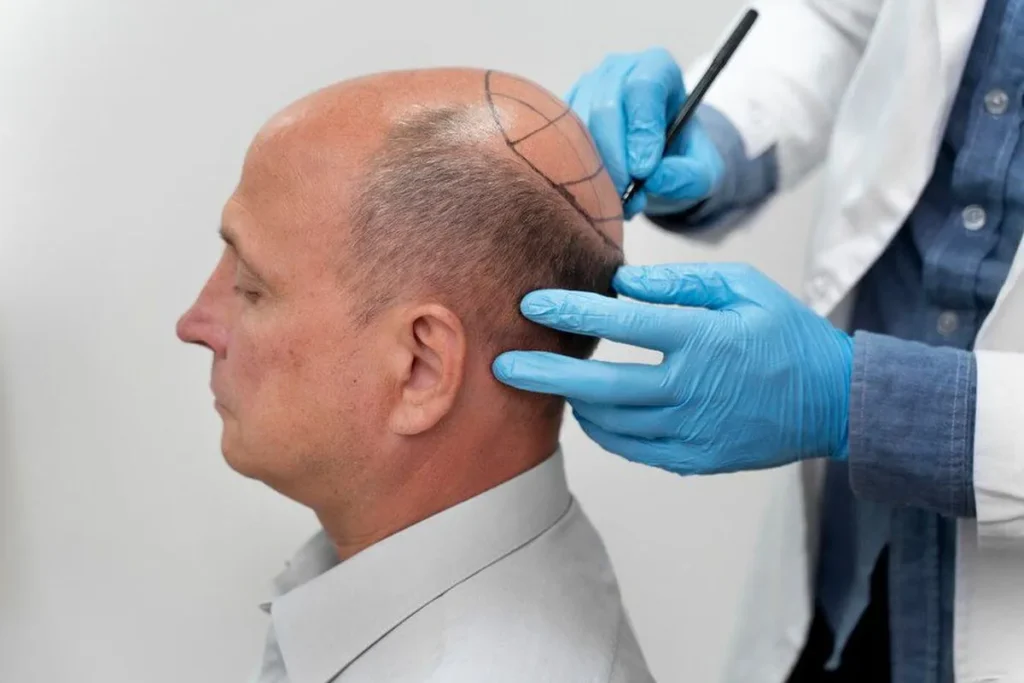
For those dealing with hair loss, a luxury transformation is possible with hair strip surgery. This method, also known as Follicular Unit Transplantation (FUT), takes a strip of scalp tissue from the donor area. It then breaks it down into individual follicular units for transplanting. Hair Strip Surgery (FUT) offers amazing results for high-density needs. Learn the best tips for recovery and how to manage the donor scar easily.
Medical organization Cosmetic Surgery says FUT hair transplant surgery is a reliable way to bring back natural-looking hair. Knowing how it works and its benefits can help people make smart choices for their hair restoration journey.
Key Takeaways
FUT is a surgical hair restoration technique that involves transplanting follicular units.
It offers a natural-looking and lasting solution for hair loss.
The procedure involves harvesting a strip of scalp tissue from the donor area.
FUT is considered a traditional and effective method for hair restoration.
Understanding FUT can help individuals make informed decisions about their hair restoration journey.
Understanding Hair Strip Surgery: The Fundamentals
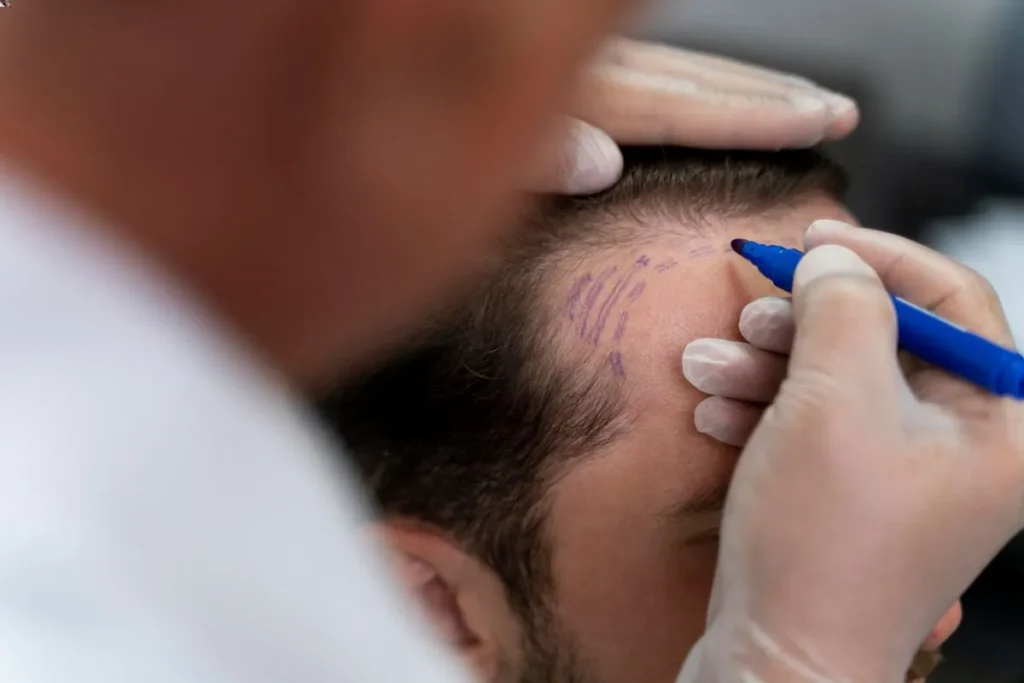
If you’re thinking about hair restoration, it’s key to know about hair strip surgery. This method, also known as follicular unit transplantation (FUT), has changed the hair restoration world. It’s known for its success and natural-looking outcomes.
Definition and Technical Process
Hair strip surgery takes a strip of hair-bearing skin from the back and sides of the head. This strip is then split into individual follicular units. These units are then moved to new spots on the head.
The strip method offers distinct advantages. It allows for a lot of hair follicles to be used safely. It also has a low chance of damaging the hair follicles. Plus, it leaves just one linear scar, no matter how many times you have the surgery.
The process of hair strip surgery is very detailed and needs a lot of skill. First, the patient is given local anesthesia to stay comfortable. Then, the donor strip is taken out, and the area is closed with stitches or staples.
The strip is then split into follicular units. These units are prepared for transplant. The transplantation process involves creating recipient sites and carefully placing the follicular units to look natural.
Statistical Overview and Market Position
The global hair restoration market is worth about $4.6 billion. The strip or FUT technique makes up about 31.5% of all hair transplant surgeries. This shows how popular and effective hair strip surgery is.
The strip method hair restoration NJ is known for its high-quality, natural-looking results. The growing demand for hair restoration shows that hair strip surgery is a top choice. As the industry grows, FUT remains a key method for treating hair loss.
The Complete Hair Strip Surgery Procedure
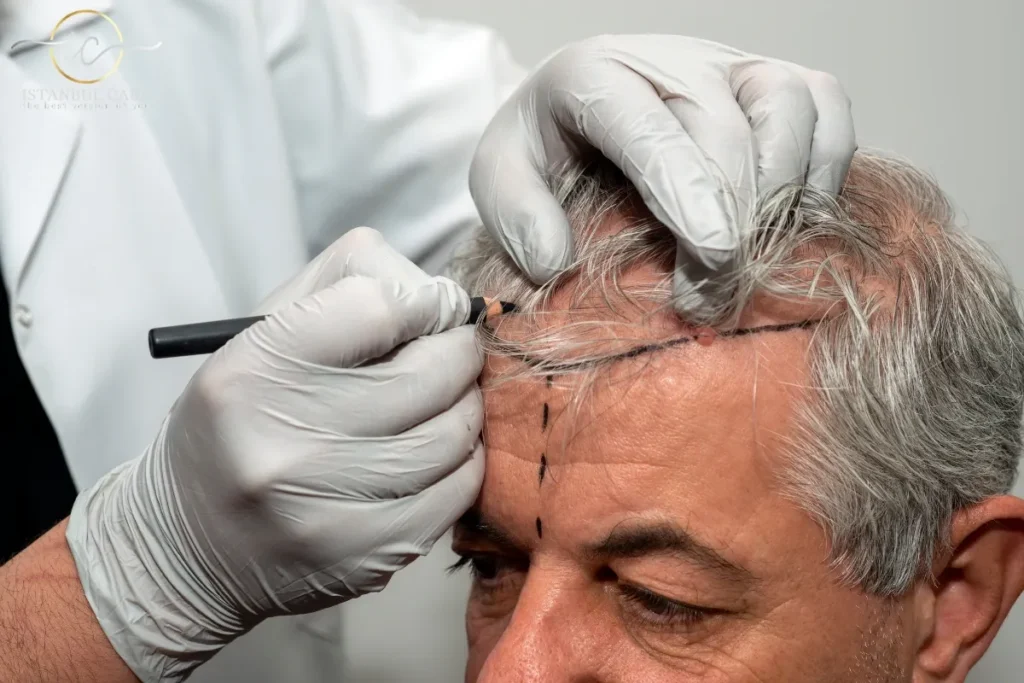
Understanding hair strip surgery is key for those thinking about it. This method is known for making hair grow back fully. It has several steps that need to be done right for the best results.
Pre-Surgical Assessment and Planning
Before starting strip hair transplant surgery, a detailed check-up is done. This check-up looks at hair loss patterns, the amount and quality of donor hair, and scalp health. Advanced planning makes sure the surgery fits the person’s needs, leading to better results.
The Donor Strip Harvesting Process
The donor strip harvesting is a key part of the surgery. A strip of skin with healthy hair follicles is taken from the back or sides of the scalp. Medical organization Cosmetic Surgery says this step is key to getting the hair follicles needed for the transplant.
Follicular Unit Dissection Techniques
After taking the donor strip, follicular unit dissection is done. This step breaks the strip into individual follicular units for transplant. It needs a lot of skill to keep the units whole, which helps the transplant work better.
Transplantation and Placement Methods
The last step is putting the follicular units into the scalp. These units are placed in thinning or balding areas. The way they are placed is very important for a natural look and fullness.
Knowing all about hair strip surgery helps people feel ready for their journey. This detailed approach makes the surgery more effective and satisfying.
Conclusion: Evaluating if Hair Strip Surgery is Your Solution
Thinking about hair strip surgery? It’s all about your hair loss needs and what you want to achieve. FUT hair transplant is a reliable and effective way to restore your hair. It’s great for those with a lot of hair loss because it can move many grafts at once.
Wondering if strip surgery is for you? Look at your hair loss pattern and how much hair you’ve lost. FUT has a high success rate and makes your hair look natural. So, if you want a fuller head, strip surgery could be the way to go.
Seeing a qualified specialist can help you get the hair you’ve always wanted. They’ll make sure your hair looks natural and radiant. With the right help, you can start your hair restoration journey and “Glow like you mean it” with your new look.
FAQ
What is hair strip surgery?
Hair strip surgery, also known as Follicular Unit Transplantation (FUT), is a method to restore hair. It removes a strip of skin from the back and sides of the head. Then, it’s cut into individual units and transplanted to bald spots.
How does hair strip surgery differ from other hair restoration methods?
Unlike Follicular Unit Extraction (FUE), hair strip surgery removes a strip of skin. This allows for more grafts in one session.
What are the benefits of hair strip surgery?
It offers a natural hairline and permanent results. Recovery is quick, and it’s affordable for those with significant hair loss.
Is hair strip surgery painful?
The surgery is done under local anesthesia, making it less painful. Some discomfort might occur during recovery, but it can be managed with medication.
How long does it take to recover from hair strip surgery?
Recovery takes a few days to a week. You might see swelling, redness, and scabbing, but these usually go away in a few days.
What is the success rate of hair strip surgery?
Success rates are high, with most getting a natural hairline and significant growth. Results can vary based on the surgeon’s skill and donor hair quality.
Can hair strip surgery be combined with other hair restoration methods?
Yes, it can be combined with FUE or medication for better results. This is good for those with extensive hair loss or needing more density.
How do I care for my hair after strip surgery?
Use gentle hair care to aid healing and reduce scarring. Choose mild shampoos, avoid harsh chemicals, and protect your scalp from the sun.
What are the possible risks and complications of hair strip surgery?
Risks include infection, scarring, and nerve damage. Choosing an experienced surgeon can minimize these risks.
How do I choose the right surgeon for hair strip surgery?
Look for a board-certified surgeon with hair restoration experience. Check their credentials, read reviews, and see before-and-after photos to ensure they’re qualified.
References
National Center for Biotechnology Information. Evidence-Based Medical Insight. Retrieved from https://pubmed.ncbi.nlm.nih.gov/18789262/