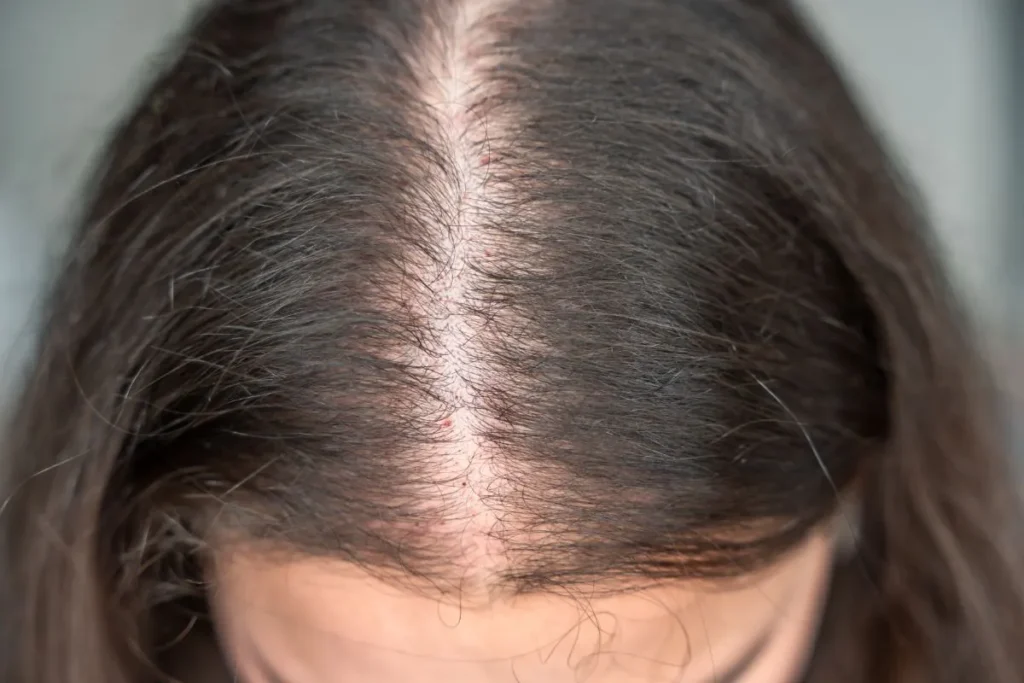
Seeing hair thinning on one side can worry you. But knowing why it’s happening is the first step to fixing it. Unlike male pattern baldness, which follows a predictable pattern, one-sided hair loss points to different issues. These include mechanical stress, scalp problems, and even autoimmune diseases. Hair Thinning At Corners? Get the best wow fix to restore your receding hairline and achieve a perfect, youthful look with our expert guide.
About 80% of men and 50% of women face hair loss at some point. Many worry about hairline thinning on one side. Experts at Kopelman Hair say knowing the cause early can help keep your hair healthy for longer. For more on causes and treatments, check out Wimpole Clinic’s blog.
Key Takeaways
One-sided hair thinning affects a significant portion of the population experiencing hair loss.
Understanding the cause is key to effective treatment.
Mechanical stress, scalp conditions, and autoimmune disorders can cause one-sided hair loss.
Early diagnosis and treatment can improve long-term hair health.
Various treatments are available, including medications, scalp micropigmentation, and hair transplants.
Understanding One-Sided Hair Thinning
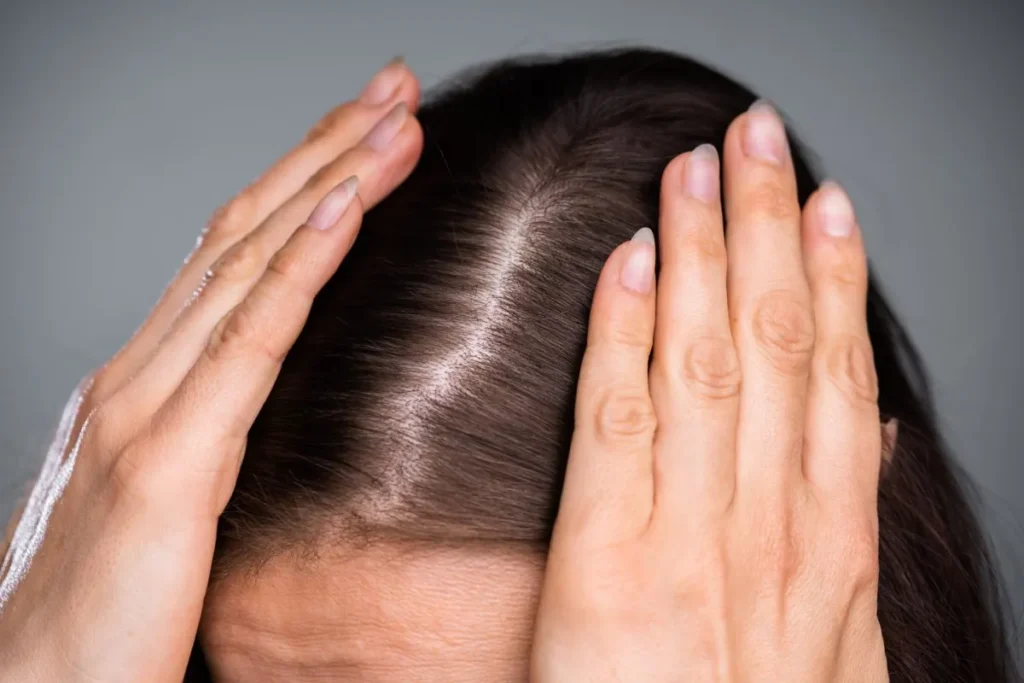
Hair thinning on one side of the head can be upsetting. It’s important to know why it happens to find good solutions. This condition, called unilateral alopecia, means hair loss mainly on one side of the scalp.
What is Unilateral Alopecia?
Unilateral alopecia is when hair loss happens on just one side of the head. It can be caused by traction alopecia from tight hairstyles, scalp problems, or autoimmune diseases. Knowing the cause helps find the right treatment.
How Common is One-Sided Hair Loss?
There’s not much data on how common unilateral alopecia is. But it’s seen as a big issue for many. It’s more obvious in people with tight hairstyles and those with certain autoimmune diseases.
Difference Between Unilateral Thinning and Pattern Baldness
Unilateral alopecia is different from pattern baldness. Pattern baldness follows a predictable pattern, but unilateral alopecia is not symmetrical. This difference is important because treatments can vary a lot.
Common Causes of Hair Thinning at Corners

Hair loss at the corners of the head can come from many sources. This includes traction alopecia and autoimmune disorders. Knowing what causes it is key to fixing the problem.
Traction Alopecia from Hairstyling
Traction alopecia is a big reason for hair thinning, mainly at the head’s corners. It happens when hair is pulled back too tight, hurting the follicles. Hairstyles like tight ponytails and braids can cause this.
Repetitive tension on the follicles can damage them, leading to thinning hair. It’s important to watch how you style your hair to avoid this.
Localized Scalp Conditions
Scalp issues like psoriasis and dermatitis can also cause hair thinning. These problems can make the scalp inflamed and irritated, leading to hair loss if not treated.
Keeping the scalp healthy is key to preventing thinning. Regular scalp care and treating any issues quickly can help a lot.
Alopecia Areata and Autoimmune Factors
Alopecia areata is an autoimmune disease that can cause hair loss on the scalp, including the corners. It happens when the immune system attacks the hair follicles by mistake.
Understanding how autoimmune factors play a part in hair loss is important. Getting help from a healthcare professional is the first step in managing alopecia areata.
Physical Factors
Physical factors like excessive heat styling and harsh chemical treatments can also lead to hair thinning at the corners. These practices can harm the hair and scalp, causing hair loss.
Knowing the causes of hair thinning at the corners helps people take steps to prevent and treat it. A good plan includes changing hairstyling habits, taking care of the scalp, and managing any medical conditions. This approach is key to having healthy, full hair.
Effective Solutions for One-Sided Hair Loss
Dealing with one-sided hair loss needs a full plan. This includes knowing the reasons behind it and trying out different treatments. People with one-sided hair thinning can find solutions that fit their needs.
Professional Diagnosis Options
Getting a professional diagnosis is key when facing hair loss on one side. Dermatologists and trichologists can help figure out why you’re losing hair. They can also suggest the right treatments. For more info, check out Allison McTigue’s blog.
Medical Treatments
There are many medical treatments for balding on one side. Options include topical creams like minoxidil and finasteride. Sometimes, hair transplant surgery is an option. Always talk to a doctor to find the best treatment for you.
Lifestyle Adjustments
Changing your lifestyle can also help with hairline thinning on one side. Reducing stress, eating well, and gentle hair care can make a difference. These habits lead to healthier hair.
Natural Remedies and Supplements
There are also natural remedies and supplements that can help. Biotin, vitamin D, and saw palmetto are good for hair growth. Always talk to a doctor before trying new supplements.
Prevention and Long-Term Management
Starting a journey to healthy hair means looking at everything. It’s important to stop hair loss and keep your scalp healthy. Gentle hair care helps a lot in preventing thinning hair.
Avoid tight hairstyles to prevent hair loss. Use hair care products that are good for your scalp. Eating well, with foods that help hair grow, is also key. Reducing stress through meditation or yoga can help too.
Keeping your scalp healthy is a must. Massaging your scalp can help blood flow and hair growth. By doing these things, you can keep your hair looking great for a long time. Your hair care routine is a journey, not just a goal – it grows with you.
FAQ
What is one-sided hair thinning, and how does it differ from pattern baldness?
One-sided hair thinning, or unilateral alopecia, is hair loss on one side of the head. It’s different from pattern baldness, which usually affects the top. Causes include scalp conditions, autoimmune disorders, and physical factors.
Is one-sided hair thinning a common condition?
It’s not as common as other hair loss types. But, it can happen to anyone, at any age or gender. Knowing the cause is key to treating it.
Can tight hairstyles cause hair thinning on one side?
Yes, tight hairstyles can cause traction alopecia. This is hair loss from constant tension on follicles. It’s a common reason for one-sided thinning, if the style is worn on one side.
What are the treatment options for one-sided hair loss?
Treatments vary based on the cause. They might include medical treatments, lifestyle changes, or natural remedies. A doctor or dermatologist can help find the best treatment.
How can I prevent one-sided hair thinning?
To prevent it, avoid tight hairstyles and use gentle hair products. Keep your scalp healthy. Regular dermatologist visits can catch issues early.
Are there any natural remedies that can help with one-sided hair loss?
Yes, some natural remedies like supplements and essential oils might help. But, talk to a healthcare professional before trying them.
Can stress cause one-sided hair thinning?
Stress can lead to hair loss, including one-sided thinning. This is true if it’s linked to conditions like alopecia areata. Managing stress can help reduce hair loss.
How long does it take to see results from treatment for one-sided hair loss?
Results vary based on the cause and treatment. Being consistent and patient is important for noticeable changes.
Can I stillexperience hair thinning on one side if I have a healthy diet?
Yes, a healthy diet is important but not the only factor. Genetics, scalp conditions, and styling habits can also cause thinning, even with a good diet.
Is balding on one side of the head a sign of a more serious health issue?
In some cases, it might be related to a health issue like an autoimmune disorder. Seeing a healthcare professional can help find the cause and check for health concerns.
References
https://wimpoleclinic.com/blog/how-to-fix-a-messed-up-hairline





