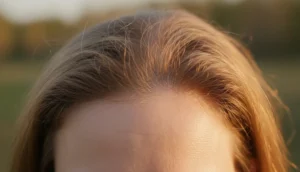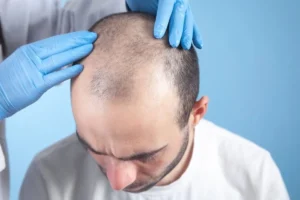
Female pattern hair loss (FPHL) is a big worry for millions of women around the world. It makes them feel sad and lowers their self-confidence. Unlock your natural radiance and fight FPHL with our detailed guide.
FPHL hits about 12% of women in their twenties. By the time they’re over 80, it affects more than half. It’s caused by genes, hormonal changes, and not getting enough nutrients. At GoldCity Center, we focus on fixing the real problems behind women’s thinning hair.
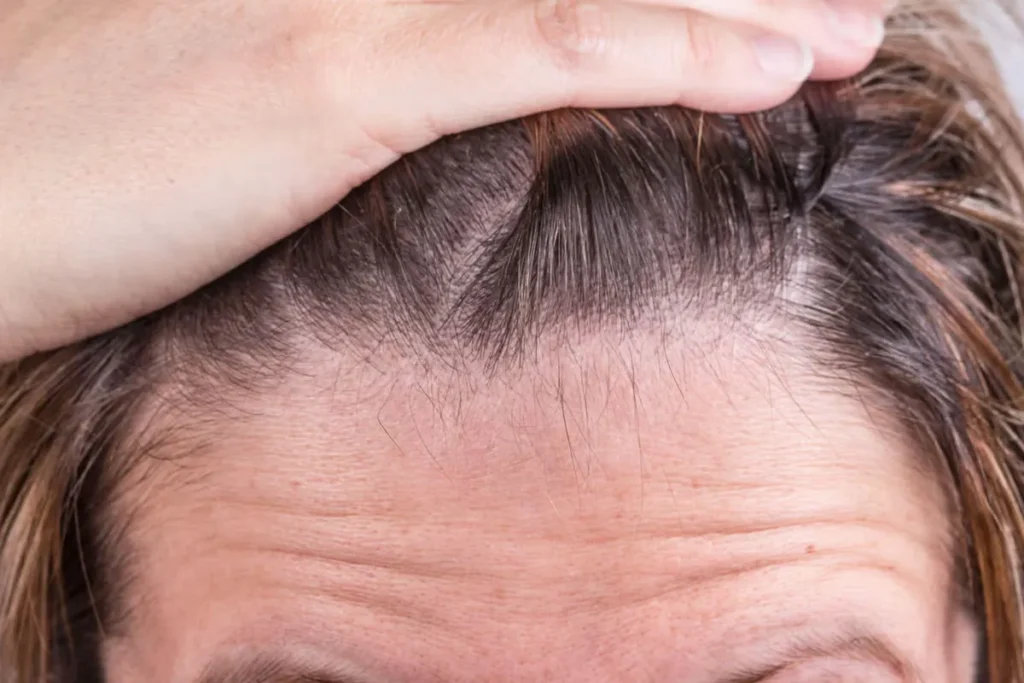
Our team is ready to offer 5 proven solutions. We want to help women get thicker, healthier hair. And we aim to give them a luxury makeover. Hair Thinning At Crown Female is distressing. Discover the best fix and most effective treatments to restore density to the top of your scalp.Hair Thinning At Crown Female is distressing. Discover the best fix and most effective treatments to restore density to the top of your scalp.
Key Takeaways
Understand the causes and prevalence of FPHL
Discover 5 proven solutions to address thin hair in women
Learn how to revitalize your hair’s natural beauty and confidence
Explore innovative treatment protocols at GoldCity Center
Start your journey to a luxury transformation today
Understanding Hair Thinning at Crown Female: Causes and Patterns
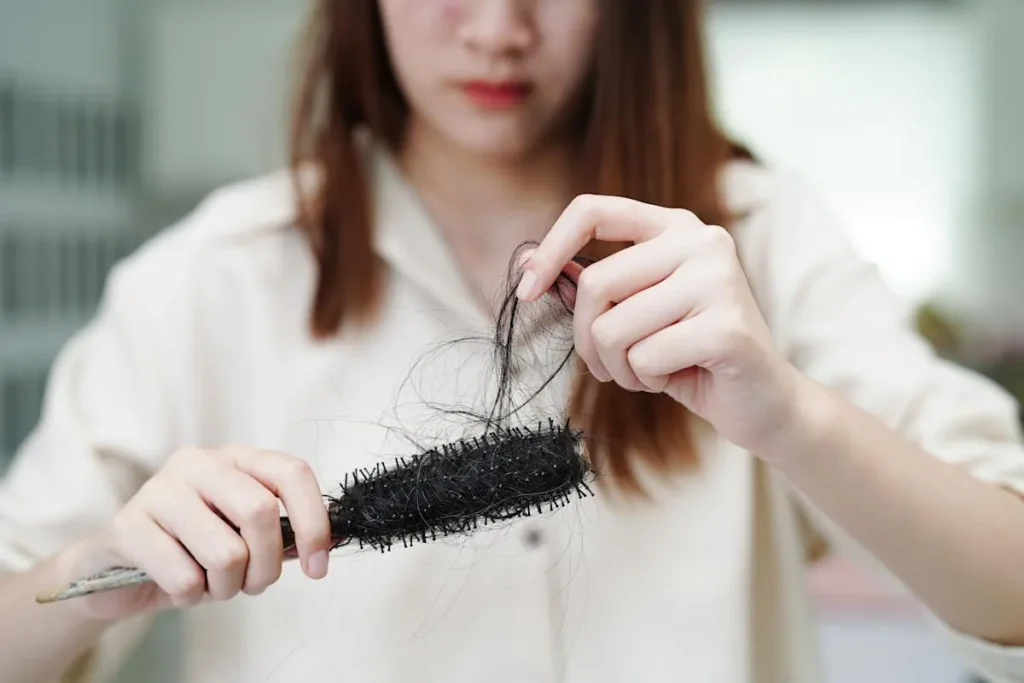
Hair thinning at the crown in women is complex. It involves hormones, genetics, and lifestyle. Knowing the causes and patterns is key to solving this issue.
The Science Behind Female Pattern Hair Loss
Female pattern hair loss, or androgenetic alopecia, is common in women. It causes hair to thin gradually, mainly at the crown. This happens because of male hormones affecting hair follicles. It’s also linked to genetics.
Key Factors Influencing Female Pattern Hair Loss:
Hormonal Imbalance: Male hormones like DHT shrink hair follicles, making hairs thinner and shorter.
Genetic Predisposition: Family history plays a big role. Some genes make you more likely to lose hair.
Lifestyle Factors: Stress, poor nutrition, and certain hairstyles or treatments can make hair loss worse.
Key Triggers: Hormones, Genetics, and Lifestyle Factors
Hormonal changes, mainly in androgens, are a big reason for hair loss in women. Genetics affect how sensitive hair follicles are to these changes. Lifestyle, including diet, stress, and hair care, also plays a part in how much hair thins.
Understanding these triggers helps women fight hair thinning. They can take steps to keep their hair fuller and healthier.
5 Proven Solutions for Women’s Thinning Hair
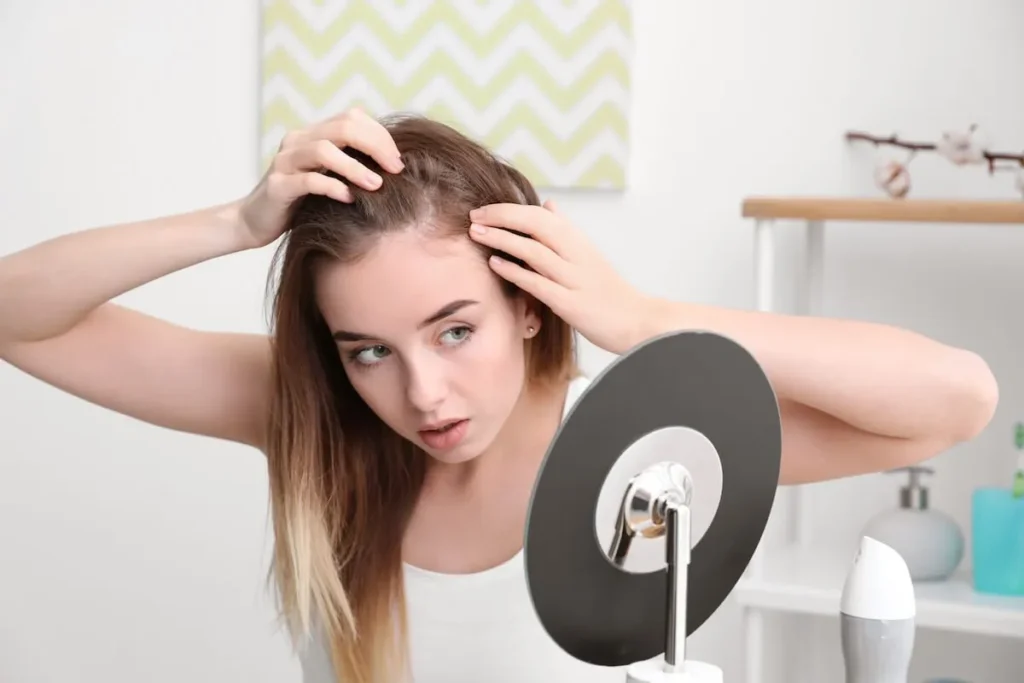
Fixing hair thickness needs a mix of medical treatments, lifestyle changes, and hair care. Women with thinning hair in their 30s can find many effective solutions.
FDA-Approved Medications and Topical Treatments
One top way to fight women’s hair thinning is with FDA-approved meds and topical treatments. Minoxidil, or Rogaine, is a topical solution for the scalp. It helps grow hair and slow down loss.
Apply minoxidil twice daily for best results
Use with other treatments for better results
Get advice from a dermatologist
Nutrition and Supplementation Strategies
Eating well with lots of vitamins and minerals is key for healthy hair. Supplements like biotin and vitamin D help hair grow. Foods rich in omega-3s, zinc, and iron also boost hair health.
Protective Styling and Hair Care Techniques
Using gentle hair care for thinning hair methods can lessen breakage and help hair grow. Stay away from harsh chemicals and too much heat styling. Choose loose hairstyles that don’t tug on hair follicles.
Detangle hair gently with a wide-tooth comb
Avoid tight ponytails and braids
Use heat protectant spray when styling
Stress Management and Hormone Balancing
Stress management for hair loss is key as stress can make hair thinning worse. Try meditation, yoga, and deep breathing to manage stress. Eating right and supplements can also help balance hormones for better hair health.
– Trichology Expert
By adding these proven solutions to their daily life, women can tackle thinning hair and feel more confident.
When to Consult a Dermatologist or Trichologist
Knowing when to get help for hair loss is important. Some hair loss is normal, but too much or sudden loss might mean there’s a problem. This problem might need medical help.
If you’re losing hair and it hurts, itches, or looks infected, see a specialist. These signs could mean you have a condition that needs quick treatment. This can stop more hair loss and other problems.
Warning Signs That Require Medical Evaluation
There are signs that mean you should see a doctor for hair loss. These include:
Sudden or excessive hair loss: Losing hair in clumps or seeing a lot of thinning means it’s time to get advice.
Pain or itching on the scalp: Feeling pain or itching could mean you have a problem that needs treatment.
Signs of infection: Redness, swelling, or pus on your scalp are signs of infection and need a doctor.
Family history of hair loss: If your family has a lot of hair loss, seeing a specialist can help you early.
For more info on when to see a dermatologist for hair loss, check out 8 Signs You Should See a Dermatologist About Hair.
Finding the Right Hair Loss Specialist
Finding the right specialist for hair loss is important. You might choose a dermatologist or a trichologist. Dermatologists deal with skin, hair, and nails. Trichologists focus on hair and scalp issues.
Look for a specialist with experience, the right qualifications, and good patient reviews. A good consultation will find out why you’re losing hair. It will also help find the best treatment for you.
Conclusion
Dealing with hair thinning in a full way can change a woman’s life. Knowing why and how hair loss happens helps pick the best ways to stop it. This knowledge leads to better hair care choices.
There are five key ways to fight thinning hair. These include medicines approved by the FDA, eating right, and using protective hair styles. Also, managing stress and balancing hormones are important. Together, these steps help women get their hair back to its best.
With the right treatments and care, thinning hair can be a thing of the past. Women can then have a full, healthy head of hair. This not only boosts confidence but also makes them feel more youthful and beautiful.
FAQ
What are the main causes of thinning hair in women?
Thinning hair in women is often due to hormones, genetics, and lifestyle. Androgenetic alopecia is a common cause, leading to hair thinning at the crown.
How does minoxidil help with thinning hair?
Minoxidil is a topical treatment approved by the FDA. It stimulates hair growth and slows hair loss. It’s often used by women with thinning hair, applied directly to the scalp.
What nutritional strategies can help address thinning hair?
Eating a balanced diet with vitamins and minerals is key. Foods rich in biotin, vitamin D, and iron support hair health. Supplements can also help.
How does stress affect hair thinning?
Stress can disrupt hair growth, leading to thinning. Managing stress through meditation and yoga can help.
When should I consult a dermatologist or trichologist for thinning hair?
See a dermatologist or trichologist for sudden or severe hair loss. Also, if you have scalp pain or itching.
Can hormone balancing help with thinning hair?
Yes, balancing hormones can help with thinning hair caused by hormonal imbalances. A healthcare professional can guide the best treatment.
Are there any protective styling techniques that can help reduce hair thinning?
Yes, protective styling can help. Avoid excessive heat styling, use gentle products, and choose loose hairstyles.
How can I determine if my hair thinning is due to androgenetic alopecia?
A dermatologist or trichologist will diagnose androgenetic alopecia. They’ll look at your hair loss pattern, medical history, and other factors.
References
National Center for Biotechnology Information. Evidence-Based Medical Insight. Retrieved from https://pmc.ncbi.nlm.nih.gov/articles/PMC6322157/