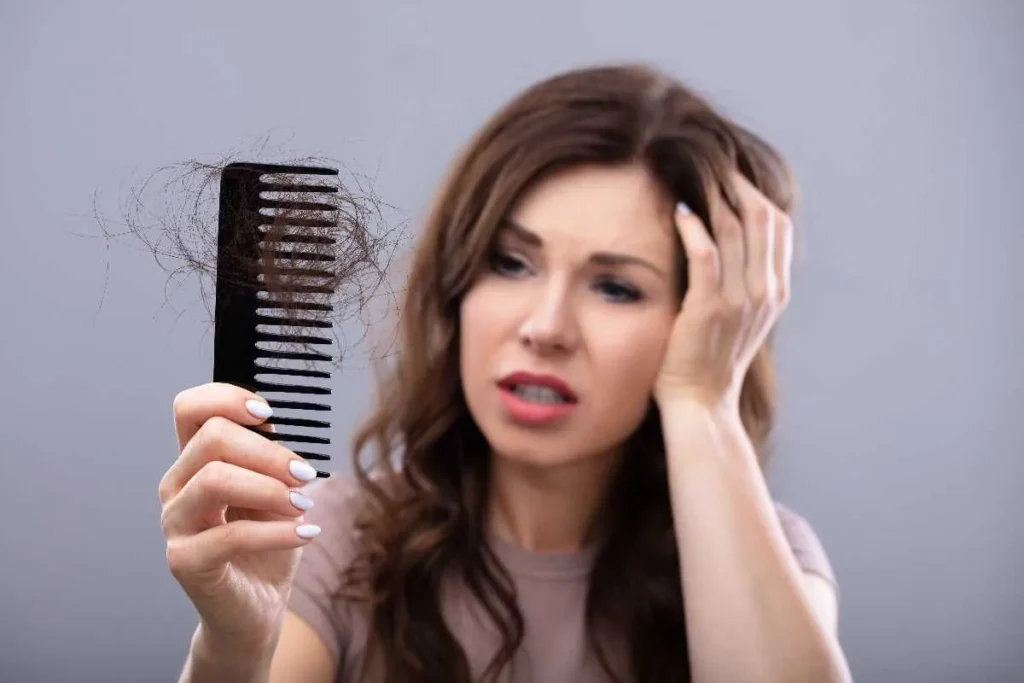
Thinning hair is a big worry for millions of women around the world. It affects their looks and how they feel about themselves. Recent studies show that up to 50% of women notice hair loss by age 50.
This problem, often due to female pattern hair loss, makes hairlines wider and hair thinner at the crown. But, there are effective ways to fix it. For example, Minoxidil has been approved by the FDA for both men and women.
Knowing what causes hair loss and what treatments work is key. It’s the first step to getting your hair back to its full volume and health.
Key Takeaways
Up to 50% of women experience noticeable hair loss by age 50.
Female pattern hair loss is a progressive condition.
Proven solutions include FDA-approved treatments like Minoxidil.
Understanding causes and treatments is key for restoring hair health.
Early intervention can greatly improve treatment results.
Understanding Hair Thinning in Women: Causes and Patterns
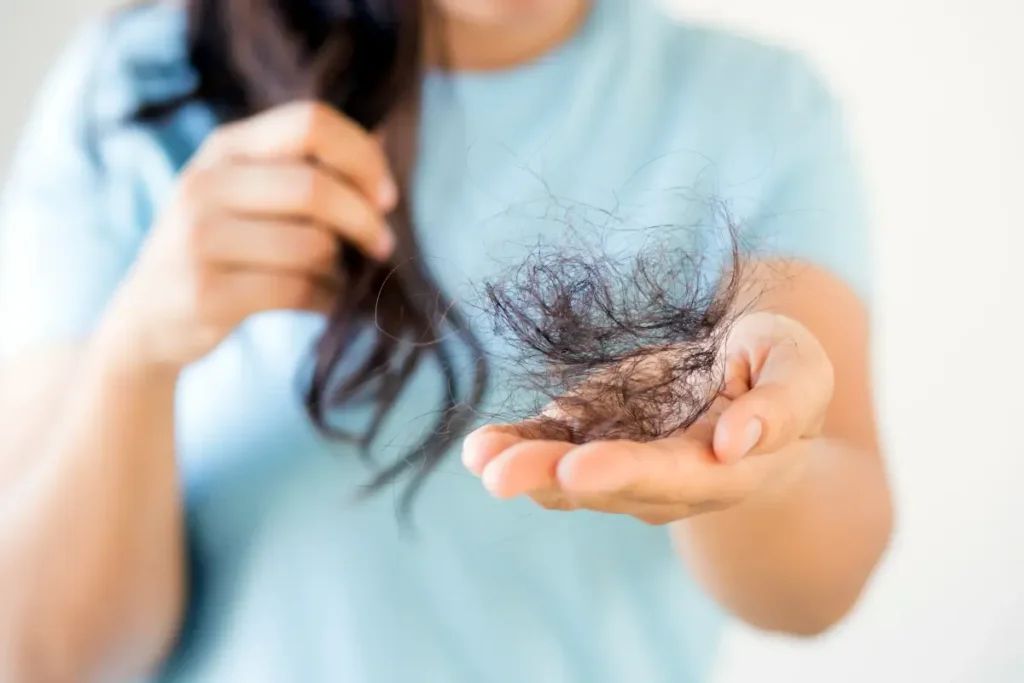
Hair thinning in women comes from genetics, hormones, and the environment. As women get older, their hair may change, leading to female pattern hair loss or androgenetic alopecia.
The Scope of the Problem: Statistics and Trends
Hair thinning affects many women worldwide. By 50, about 40% of women have lost some hair. It gets worse with age, mainly during menopause due to hormone changes.
Some women start losing hair in their 20s or 30s. Factors like hormones, stress, and genes play a big role.
Common Causes of Female Hair Thinning
Hormonal changes are a big reason for hair loss in women. Menopause or pregnancy can cause it. Stress also makes hair fall out, as the body reacts to it.
Genetics can also lead to hair thinning. Androgenetic alopecia, a genetic condition, causes hair to thin, mainly on the crown and top.
Different Patterns of Hair Loss in Women
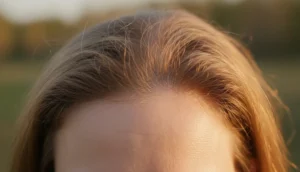
Women can lose hair in different ways. Some see thinning all over, while others notice it at the crown or top. Androgenetic alopecia usually causes diffuse thinning, not baldness like in men.
The pattern of hair loss can hint at its cause. For example, thinning at the crown often means androgenetic alopecia. But diffuse thinning can be from hormones, stress, or lack of nutrients.
Age-Related Hair Thinning: From 20s to 50s
Hair thinning can happen at any age. In the 20s and 30s, it’s often due to hormones, stress, or genes. But in the 40s and 50s, menopause brings big hormone changes, making hair thinning worse.
Knowing why hair thinning happens with age helps women act early. Starting treatments early can make a big difference in managing hair thinning.
Effective Solutions for Hair Thinning Women
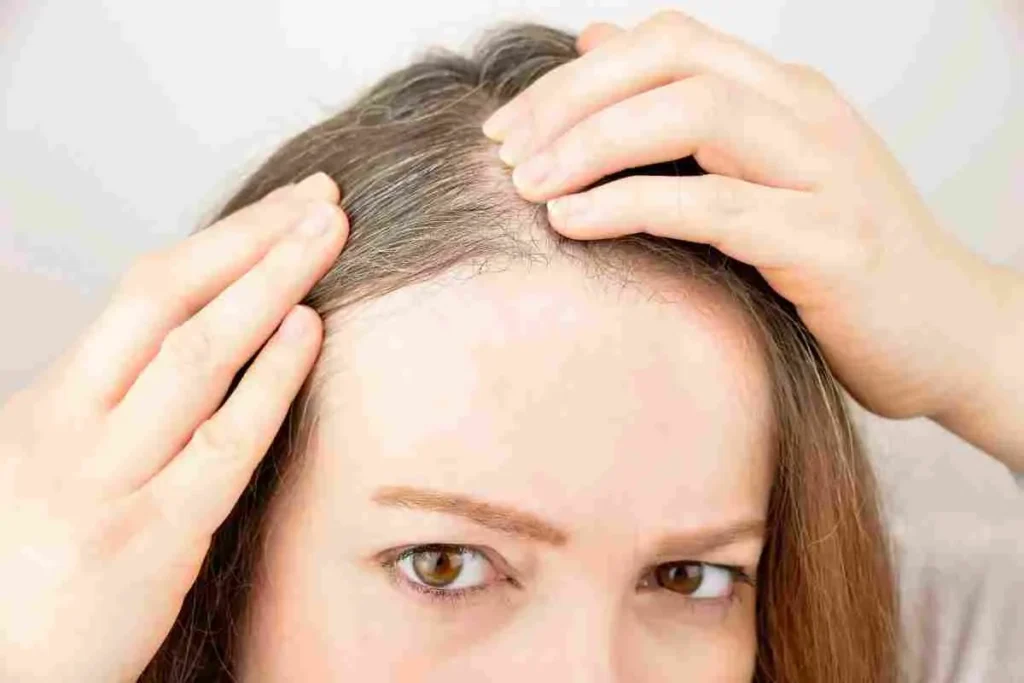
There are many ways to deal with hair thinning in women. These include medical treatments and changes in lifestyle. Each solution can be adjusted to fit an individual’s needs, helping to tackle hair thinning effectively. Hair Thinning Women solutions are here! Learn amazing success tips and follow our guide to regrowing hair and achieving massive volume naturally.
FDA-Approved Medical Treatments
FDA-approved medical treatments are key for many women dealing with hair thinning. Minoxidil is a well-known treatment. It’s applied to the scalp to boost hair growth and slow down loss. The Medical organization says it works well for women.
Low-level laser therapy (LLLT) is another popular choice. It uses a low-level laser or light to help hair grow. It’s thought to improve blood flow to the scalp, making hair follicles healthier.
Non-Prescription Products and Supplements
There are also non-prescription products and supplements that can help hair health. Biotin, vitamin D, and keratin are favorites for promoting hair growth. Nutrafol, a supplement made from natural ingredients, is known for its effectiveness in supporting hair growth.
Lifestyle Modifications to Promote Hair Health
Changing your lifestyle can also help your hair. Eating a balanced diet, rich in nutrients like omega-3 fatty acids, zinc, and iron, is important. Reducing stress through meditation or yoga can also help, as stress can lead to hair loss.
Professional Styling Solutions for Thinner Hair
Professional styling solutions can also make a big difference. Hairstylists can give advice on styling and products to make hair look thicker. Techniques like layering and special products can make hair appear fuller.
By trying out these solutions, women can find the best way to manage hair thinning and improve their hair health.
Conclusion: Taking Control of Your Hair Health
Helping women regain their hair is key. Knowing why hair thins is important. Early action can make a big difference.
Exploring treatments and lifestyle changes is essential. Professional advice can also make thinner hair look fuller.
Improving hair health is a journey. It needs patience, persistence, and the right advice. With the right steps, women can regain their hair’s volume and confidence.
FAQ
What are the main causes of thinning hair in women?
Thinning hair in women can be caused by many things. Hormonal changes, aging, stress, and genetics are common culprits. Knowing the cause is key to managing it well.
How does hair thinning progress with age?
Hair thinning can start in the 20s. It gets worse as women get older. By the 30s, 40s, and 50s, hair loss speeds up due to hormones and aging.
What are the different patterns of hair loss in women?
Women can lose hair in different ways. It might thin at the crown, widen the part line, or thin all over. Knowing how hair is lost helps pick the right treatment.
Are there any FDA-approved medical treatments for hair thinning?
Yes, there are FDA-approved treatments for hair thinning. These include medicines that slow hair loss and help hair grow.
Can lifestyle modifications help promote hair health?
Yes, a healthy diet, less stress, and gentle hair care can help hair health. They can also lower the risk of hair thinning.
What are some effective non-prescription products for thinning hair?
Non-prescription products like shampoos, conditioners, and supplements can help. They contain biotin, keratin, and saw palmetto to nourish and strengthen hair.
How can professional styling solutions help with thinning hair?
Professional styling solutions like hair thickening treatments and extensions can make hair look fuller. They offer quick cosmetic fixes and help hair look healthier.
What are some common myths about hair thinning in women?
Many myths say hair thinning comes from hats or certain products. But, it’s really from genetics, hormones, and the environment.
Can thinning hair be treated at any age?
Yes, thinning hair can be treated at any age. Early treatment is best, but there are options for women of all ages.
How can I determine the best course of treatment for my thinning hair?
Talking to a healthcare professional or dermatologist is a good first step. They can find the cause and suggest the best treatments.
References
National Center for Biotechnology Information. Evidence-Based Medical Insight. Retrieved from https://pmc.ncbi.nlm.nih.gov/articles/PMC3934835/