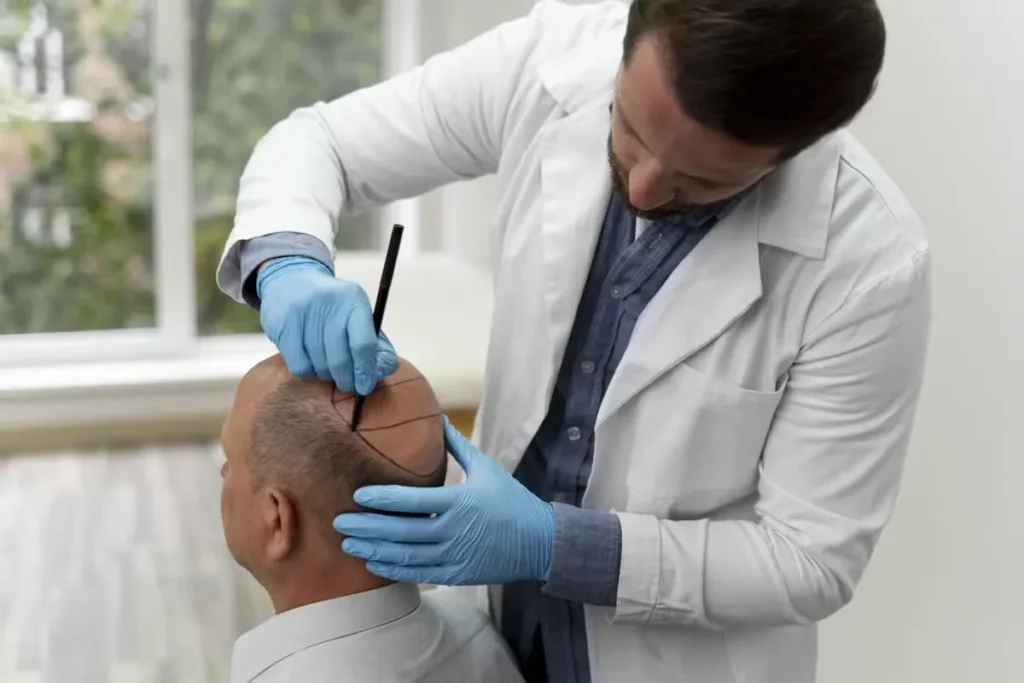
Curious about your hair restoration after a year? The change from thinning to a full head of hair happens slowly. It goes through different stages. Hair Transplant 1 Year Result! See amazing before and after photos and learn why the one-year mark is the best time for final restoration results.
Knowing this timeline helps you see how you’re doing and stay hopeful. At GoldCity Center, patients get top-notch care and advice every step of the way.
With an idea of what’s coming, you can relax and look forward to great results. Usually, people get 80 to 100 percent of their desired hair density in a year.
Key Takeaways
Track your progress through distinct stages of hair restoration
Understand the complete timeline for the best results
Get expert advice and the latest care every step of the way
Achieve 80 to 100 percent of final hair density within 12 months
Keep realistic hopes with a clear view of the journey
Understanding the Hair Transplant Growth Journey
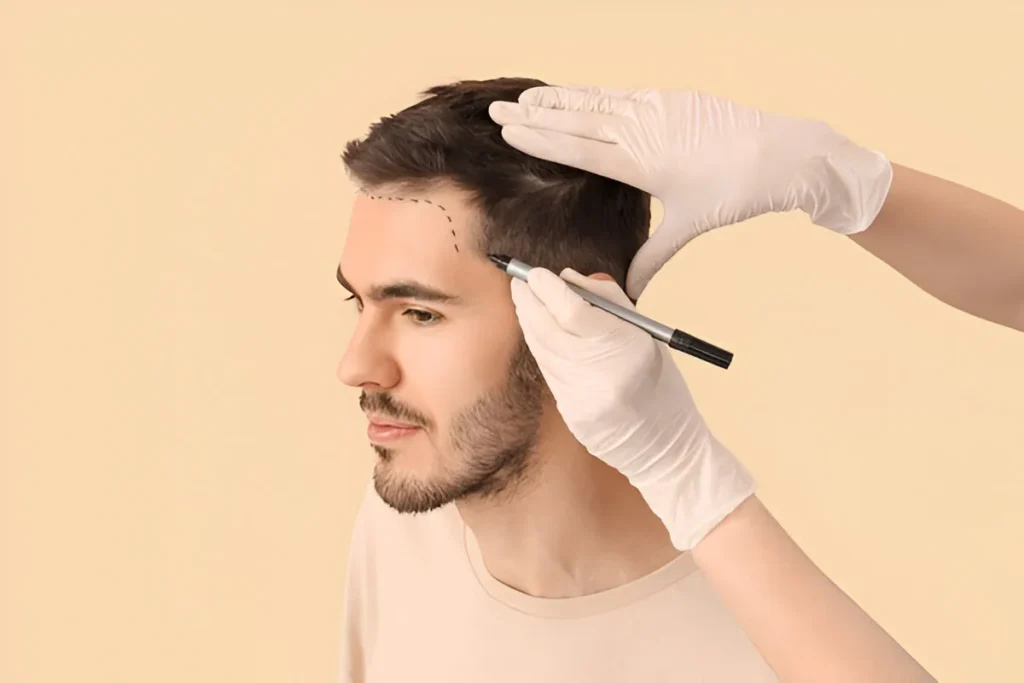
A hair transplant is more than a procedure. It’s the start of a journey to regain confidence and have a fuller head of hair. This journey is complex, with several stages from recovery to the final results.
What to Expect in Your First Year
The first year after a hair transplant is key. It covers the entire growth cycle of the transplanted hair. Most people see their final results between 10 to 12 months after the procedure. Some may see small improvements up to 18 months.
The hair growth timeline after a transplant includes several stages:
Initial recovery
Shock loss
Gradual new growth
Knowing these stages helps manage expectations and ensures a smooth recovery.
FUE vs. FUT: Timeline Differences
The hair transplant technique affects the growth timeline. Follicular Unit Extraction (FUE) and Follicular Unit Transplantation (FUT) have different recovery and growth times.
Factors Affecting Your Results Timeline
Several factors can affect your hair transplant journey, including:
The skill and experience of the surgeon
Post-operative care and following instructions
Individual healing and hair growth characteristics
By understanding these factors and choosing a skilled surgeon, patients can optimize their results and timeline.
Hair Transplant 1 Year Result: Month-by-Month Breakdown
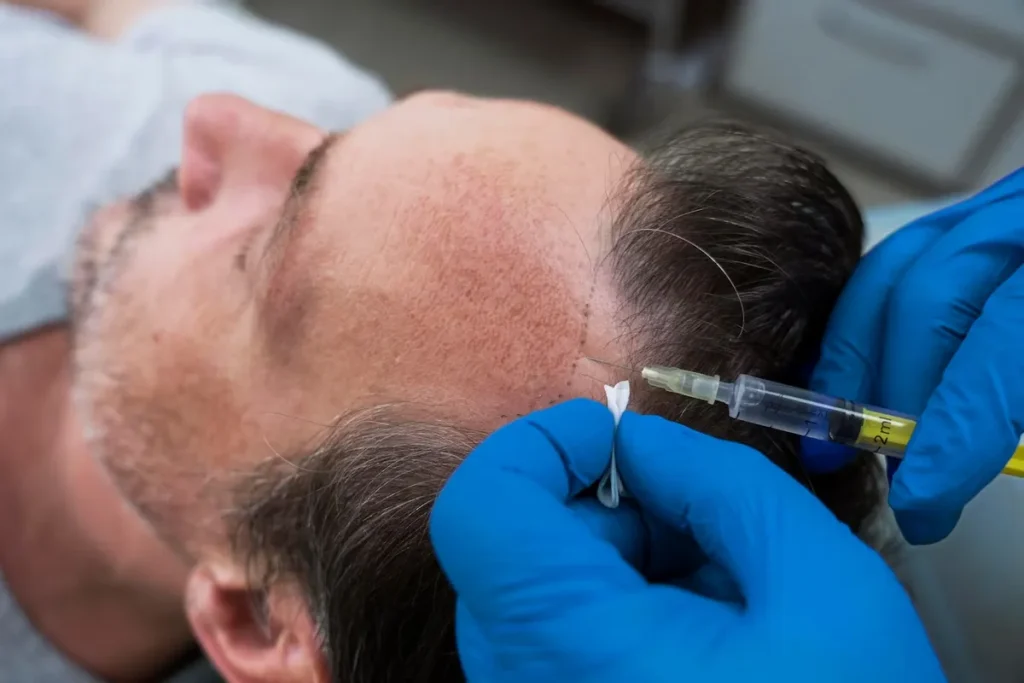
A hair transplant is a journey, not a single event. It changes a lot in the first year. This journey includes recovery and hair growth stages.
Days 1-30: Initial Recovery and Shock Loss
The first month is all about recovery and shock loss. The transplanted hair might fall out, which is normal. Medical Expert, “Shock loss is temporary, and the hair follicles are ready to grow new hair.”
Expect redness and swelling in the area. These signs usually go away in a few days. Following post-op instructions is key for healing.
Months 2-3: The Waiting Phase
The second and third months are quiet. The hair follicles are dormant. It’s hard to see changes, but patience is important.
A study on Fuse Hair says, “By the end of the third month, new hair starts to grow.”
Months 4-6: Early Growth Signs
By the fourth to sixth months, hair growth becomes visible. The new hair is fine and soft. Most see 50 to 70 percent of their results by the sixth month.
Months 7-9: Increasing Density and Texture
The hair grows thicker and more defined. The density increases, making it look natural. By the ninth month, the transplanted hair blends with the rest.
Being patient is key for the best results. With care, a hair transplant can change your look dramatically.
Conclusion: Tracking and Maximizing Your Results
Knowing the hair transplant growth timeline is key. It helps set realistic goals and get the results you want. Most people see 80 to 100 percent of their final hair density by the one-year mark.
Tracking your progress and knowing the stages of hair transplant helps. This way, you can get the best results and have a fuller head of hair. The path to your desired hair density takes patience and understanding the recovery process.
For better results, try adjuvant therapies like minoxidil, finasteride, PRP therapy, and low-level laser therapy. A healthy lifestyle, including a good diet, less stress, and exercise, also helps hair grow well.
By using these tips and staying informed, you can reach your hair’s full growth. Whether you’re looking for “theo von hair transplant before and after” or just want to know more, knowing the growth timeline is essential for success.
FAQ
What is the typical timeline for hair transplant results?
It can take up to a year or more to see full results from a hair transplant. Most people start to see big changes in 6-9 months.
What is shock loss, and how long does it last?
Shock loss is when transplanted hair falls out after the procedure. It usually happens in 1-3 months. But don’t worry, new hair starts growing in 3-4 months.
What is the difference between FUE and FUT hair transplant procedures?
FUE takes out individual hair follicles. FUT removes a strip of skin with hair. FUE heals faster and leaves less scar.
How long does it take to see the final results of a hair transplant?
It can take 12-18 months to see the full results. This is because the transplanted hair goes through a growth cycle.
What factors can affect the results timeline of a hair transplant?
Your health, the surgeon’s skill, and aftercare can change the timeline. The procedure type, graft quality, and growth rate also play a role.
Can I expect uniform growth after a hair transplant?
Growth after a transplant can be uneven. But over time, it tends to even out. The final look will become clearer.
How can I maximize my hair transplant results?
Follow your surgeon’s post-op instructions carefully. Stay healthy and attend follow-up appointments. Proper care and patience are key for the best results.
Are there any supplements or treatments that can enhance hair transplant growth?
Supplements like biotin, vitamin D, and keratin can help. But talk to your surgeon before adding anything new to your routine.
Can I dye or style my hair after a transplant?
Wait 2-3 weeks before dyeing or styling. Your surgeon can give you personalized advice on aftercare.
How do I know if my hair transplant was successful?
A successful transplant looks natural, increases density, and is healthy. Your surgeon will check the results and guide you on care.
References
National Center for Biotechnology Information. Evidence-Based Medical Insight. Retrieved from https://pmc.ncbi.nlm.nih.gov/articles/PMC8061642/





