

Dealing with patchy hair loss can be tough, but there’s hope. Alopecia areata, an autoimmune condition, isn’t permanent for everyone. Studies show 34 to 50 percent of patients see spontaneous recovery in a year. Can Alopecia Go Away? Discover the best recovery secrets and effective treatment options to restore your hair and regain your confidence today.
Though there’s no permanent fix, treatable options exist. New breakthroughs include three FDA-approved meds for severe cases. Plus, established treatments like corticosteroid injections are available. This means there are effective ways to tackle hair loss.
Unlock your inner glow with the right treatment. Modern glamour and advanced solutions make managing alopecia areata empowering. Whether you’re dealing with mild or severe hair loss, there’s a way to recover and regrow.
Key Takeaways
Alopecia areata is a treatable condition with various treatment options.
Spontaneous recovery occurs in 34 to 50 percent of patients within one year.
Three FDA-approved medications are available for severe cases.
Corticosteroid injections are an established therapy for managing hair loss.
Modern treatments empower individuals to manage their condition and regain confidence.
Understanding Alopecia Areata and Its Course
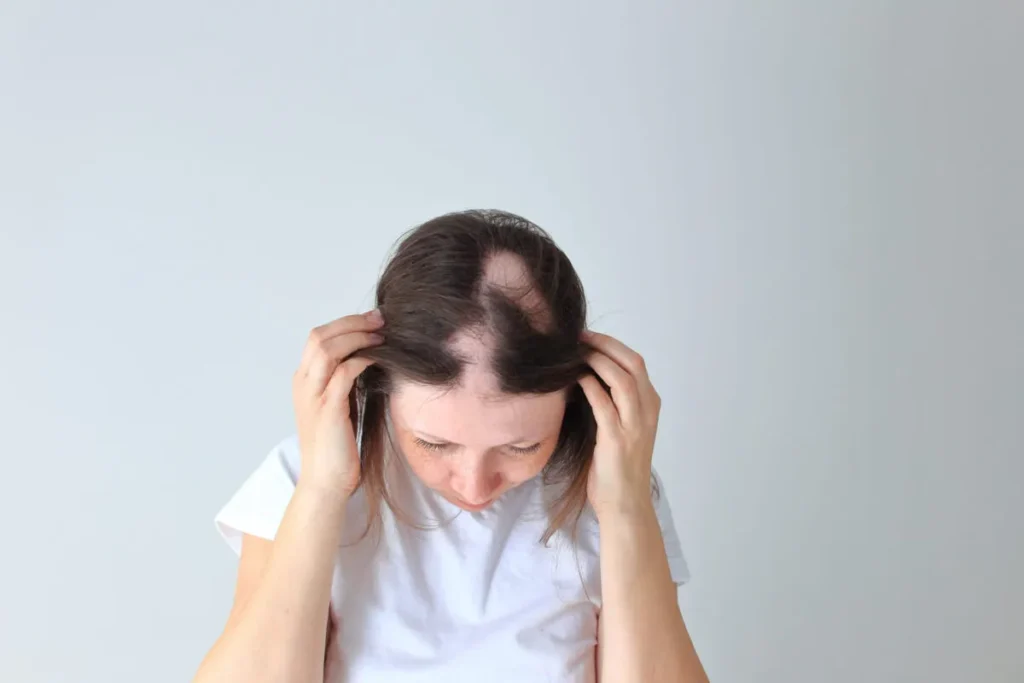
Alopecia areata is an autoimmune condition that’s hard to deal with. It happens when the immune system attacks hair follicles, causing hair loss.
Defining Alopecia Areata
Alopecia areata is an autoimmune disorder that leads to hair loss on the scalp, face, or body. It can happen to anyone, at any age, and often shows up as round or oval patches of hair loss.
Prevalence and Common Symptoms
About 2 to 2.5 percent of people will get alopecia areata at some point. Symptoms can vary, but common ones include:
Smooth, round patches of hair loss on the scalp or body
Nail changes, such as pitting or brittleness
In some cases, total loss of scalp hair (alopecia totalis) or total body hair loss (alopecia universalis)
Natural Progression of the Condition
The way alopecia areata progresses can be hard to predict. For some, hair may grow back on its own. But for others, it might not come back or keep coming back. Things that can affect how it goes include how much hair is lost, family history, and if you have other autoimmune diseases.
Knowing how the condition might progress is key for managing it. Some people might see their hair grow back without help. But others might need medical treatment to get better.
Can Alopecia Go Away? Recovery Possibilities
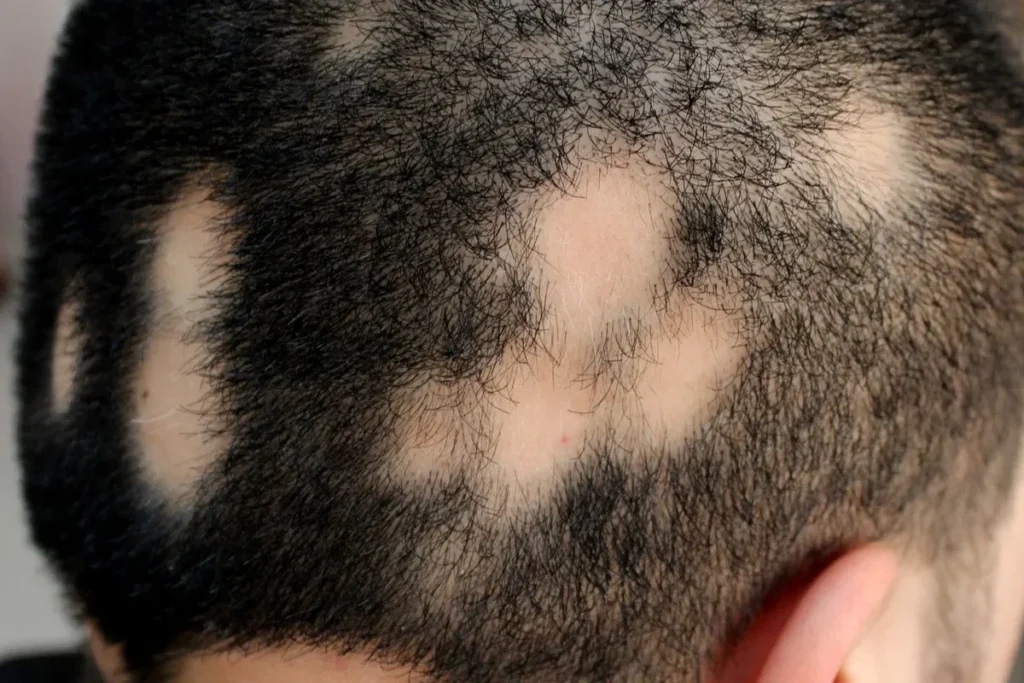
Recovering from alopecia areata means learning about the chance for hair to grow back. This autoimmune condition leads to hair loss. Yet, some people see their hair grow back on its own.
Spontaneous Recovery Rates
Studies show that 34% to 50% of people with patchy hair loss from alopecia areata see their hair grow back within a year. This shows that hair can grow back naturally, but it happens at different times for everyone.
Knowing the chance for spontaneous recovery helps set realistic goals and choose treatments. The amount of hair lost and other health issues play big roles in recovery.
Factors Affecting Recovery Chances
Many things can change how likely someone is to recover from alopecia areata. These include:
The amount of hair lost when diagnosed
Having other autoimmune or health problems
Family history of alopecia areata
When hair loss started
Knowing these factors helps create a good treatment plan. For example, people with less hair loss have a better chance of recovery than those with more.
Managing Recurrence and Long-term Outlook
Alopecia areata often comes back. To deal with this, a mix of medical treatments and lifestyle changes is needed. Proactive management can greatly improve long-term outlook.
Proven treatments like topical corticosteroids and immunotherapy can help manage symptoms and improve recovery chances. Also, living a healthy lifestyle and managing stress can help overall well-being and possibly slow the condition’s progress.
By understanding what affects recovery and taking action, people with alopecia areata can increase their chances of hair growth and effectively manage the condition.
Treatment Options for Alopecia Areata
Alopecia areata treatment has grown, with many options to fight hair loss. For those looking for a cure, several medicines and therapies are out there. The FDA has approved baricitinib, ritlecitinib, and deuruxolitinib for severe cases, helping many patients.
Topical treatments, like corticosteroids and anthralin, are applied to bald spots to help hair grow back. Injected treatments, such as intralesional corticosteroid injections, work well for patchy hair loss. For bigger hair loss, contact immunotherapy or JAK inhibitors might be used. For more details, check out the American Academy of Dermatology website.
Knowing how to treat alopecia is key to managing it. With the right treatment, many people see a lot of hair growth. By looking into the different cures and talking to a doctor, patients can find the best treatment for them.
FAQ
Can alopecia areata be treated?
Yes, alopecia areata can be treated. There are many options, like FDA-approved medicines and other treatments.
Can alopecia areata go away on its own?
Yes, some people might see their hair grow back without treatment. But it’s different for everyone.
What are the treatment options for alopecia areata?
Treatments include topical corticosteroids and minoxidil. There’s also anthralin and immunotherapy. Oral options are corticosteroids and JAK inhibitors. And injections like corticosteroid injections.
Is there a cure for alopecia hair loss?
There’s no sure cure for alopecia areata. But, treatments can help manage it. They can also help hair grow back and lower the chance of it coming back.
Can alopecia come and go?
Yes, alopecia areata can come and go. Some people lose hair, then it grows back. Managing this is key to long-term care.
How can I treat alopecia areata?
Treating alopecia areata often means using medicine, making lifestyle changes, and taking care of yourself. It’s important to talk to a healthcare professional to find the best treatment.
Is alopecia curable?
Alopecia areata isn’t curable in the usual sense. But, it can be treated. With the right treatment, many people can manage their condition and see a lot of hair growth.
What is the latest treatment for alopecia areata?
New treatments include JAK inhibitors. They’ve shown to help hair grow back and reduce inflammation.
Does alopecia areata go away?
Sometimes, alopecia areata might go away by itself. But for many, it’s a long-term condition. They need ongoing care to control symptoms and help hair grow back.
References
National Center for Biotechnology Information. Evidence-Based Medical Insight. Retrieved from https://www.ncbi.nlm.nih.gov/books/NBK537000/





