
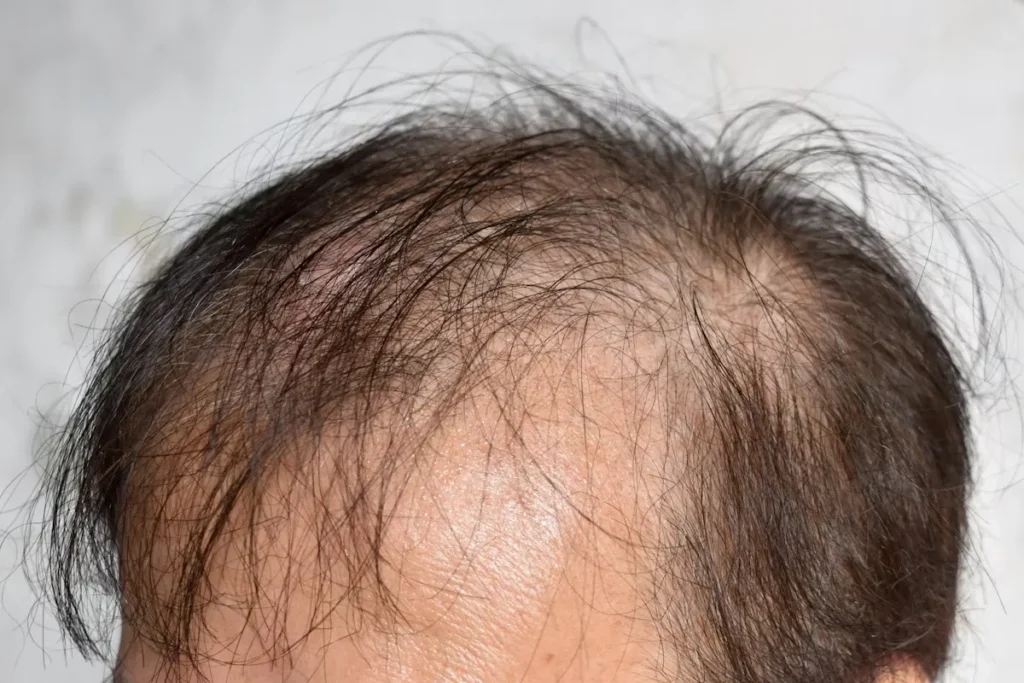
Science has made a big leap forward. Now, hair can regrow after baldness. This is great news for those losing their hair. It’s thanks to genetics, hormones, or autoimmune issues.
New treatments are waking up hair follicles that have been asleep for years. This is a big deal for those who thought they’d never see hair on their heads again.
Thanks to advanced science, regrowth is possible for many. GoldCity Center is leading the way with treatments that really work. They focus on each patient, making sure they get the best care.
By knowing why hair falls out, people can find the right treatments. These treatments are not just new; they’re also effective. They help bring back hair that was thought to be lost forever.
Key Takeaways
Recent scientific breakthroughs have made hair regrowth possible after baldness.
Dormant hair follicles can be reawakened with emerging treatments.
GoldCity Center offers patient-centered access to innovative hair regrowth solutions.
Understanding the cause of hair loss is key for effective treatment.
Cutting-edge therapies are now available for promoting hair regrowth.
Understanding Hair Loss: Types and Causes
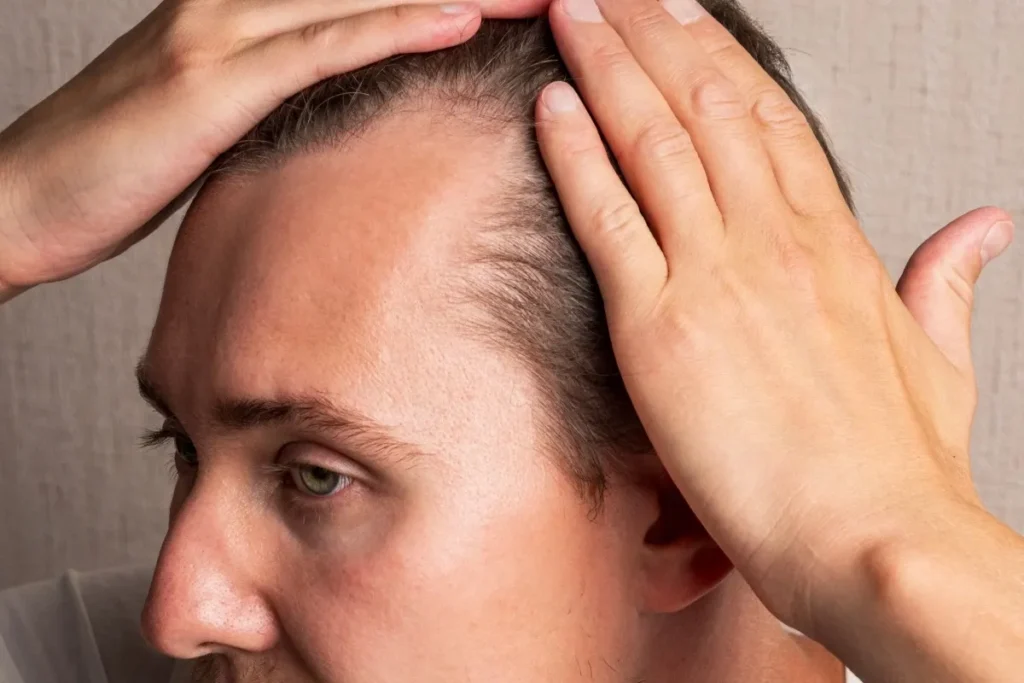
Starting to regrow hair means first knowing the different types of hair loss and what causes them. Hair loss, or alopecia, comes in many forms. Each has its own signs and reasons.
Androgenetic Alopecia: The Most Common Form
Androgenetic alopecia is the most common hair loss issue. It affects both men and women. It’s caused by genetics and hormones, like testosterone turning into DHT.
DHT makes hair follicles shrink. This leads to thinner, shorter hairs and eventually hair loss. For more on hair loss types, check out NYU Langone’s hair loss resource.
Other Types of Hair Loss and Their Reversibility
There are other hair loss types too. Alopecia areata causes patchy hair loss due to an autoimmune issue. Telogen effluvium happens because of stress, hormonal changes, or poor nutrition, causing a lot of hair shedding.
How easy it is to reverse hair loss depends on the cause. For example, fixing stress or nutrition issues can help with telogen effluvium. Knowing the exact type of hair loss is key to finding the right treatment and possibly reversing it.
While some hair loss types are harder to reverse, new research and treatments give hope. By finding the cause and choosing the right treatment, many can regrow their hair or slow down hair loss.
Can Hair Regrow After Baldness? Current Treatment Options
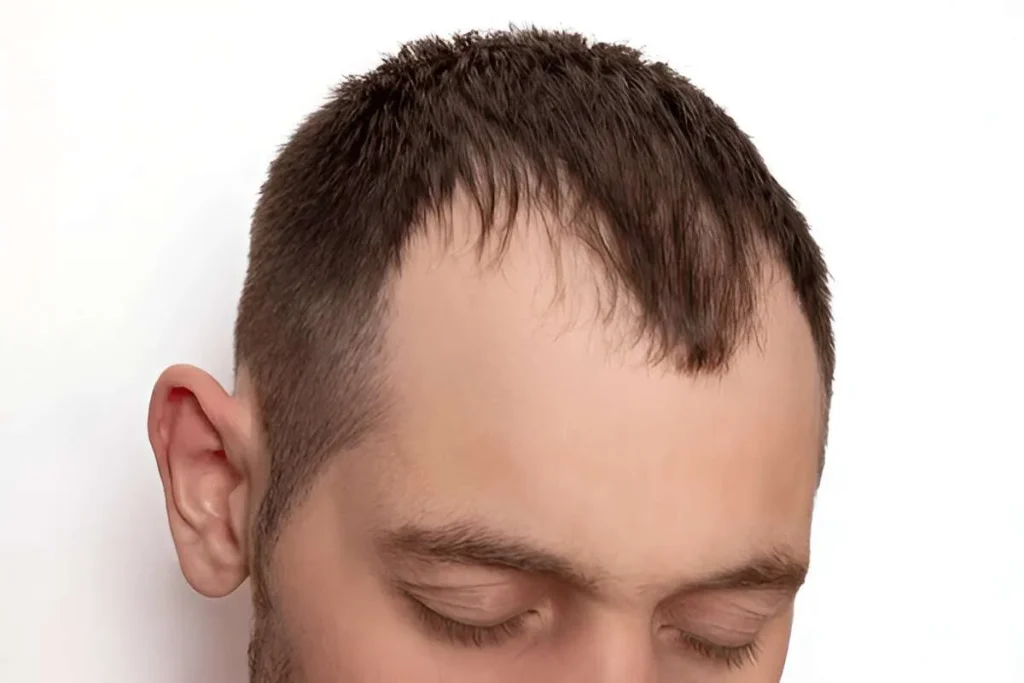
For those dealing with hair loss, the idea of regrowth is exciting. Treatments today offer hope. Hair loss can hurt one’s self-esteem and confidence. So, finding effective treatments is key.
Finasteride and minoxidil are well-known for helping hair grow back. These medicines have been well-studied and show promise in hair growth.
Finasteride: Targeting DHT Production
Finasteride stops the production of dihydrotestosterone (DHT), a hormone that causes hair loss. It does this by shrinking hair follicles. By lowering DHT, finasteride slows hair loss and can even grow new hair.
Minoxidil: Stimulating Follicle Activity
Minoxidil is a scalp treatment that boosts hair follicle activity. It’s thought to widen hair follicles, extend the growth phase, and improve scalp blood flow. This leads to thicker, fuller hair over time.
Minoxidil is available without a prescription and works for both men and women with hair loss.
Finasteride and minoxidil each have their own benefits and side effects. It’s important to talk to a doctor before starting treatment. They can help choose the best option based on your situation and health history.
Breakthrough Scientific Discoveries for Hair Regeneration
Hair regeneration is on the verge of a big change thanks to new scientific findings. New technologies and treatments are coming out. They promise to change how we deal with hair loss.
New therapies are being developed to tackle baldness at its source. Deoxyribose sugar gel technology is showing great promise in helping hair grow back. It uses deoxyribose sugar to wake up hair follicles, leading to thicker hair.
Deoxyribose Sugar Gel Technology
Deoxyribose sugar gel technology is a new and exciting field in hair regeneration. It uses deoxyribose sugar to make new hair grow. It wakes up dormant hair follicles, leading to thicker and fuller hair.
ABS-201: AI-Designed Injectable Treatment
ABS-201 is an AI-designed injectable treatment that’s changing hair regeneration. It targets the causes of hair loss, promoting healthy hair growth. The AI design makes it a personalized and effective treatment for baldness.
PP405: Awakening Dormant Hair Follicles
PP405 is a treatment that wakes up dormant hair follicles. It stimulates the scalp for hair growth. Early trials show it’s working, with many seeing their hair grow back.
These discoveries are not just advancing our understanding of hair regeneration. They’re also giving hope to those with hair loss. As research keeps moving forward, we’ll see even more new solutions. They’ll change the way we treat baldness.
Conclusion
The dream of growing hair back after baldness is now within reach. Science and technology have made many treatments available. These help stimulate hair growth and reverse baldness.
Understanding why hair falls out and knowing the treatment options is key. It lets people take charge of their hair health.
There are many treatments out there, from Finasteride and Minoxidil to new technologies like Deoxyribose Sugar Gel. Even AI-designed injectables are being used. These options give hope to those with baldness, helping them grow a fuller head of hair.
Research keeps finding new ways to grow hair, making baldness reversal more possible. By using these new methods and getting professional help, people can grow their hair back. The answer to can hair regrow after baldness is a big yes. The journey to healthy hair starts now.
FAQ
Can bald men regrow hair?
Yes, bald men can regrow hair with the right treatment and care. Science has made many effective treatments available to stimulate hair growth.
What causes hair loss, and can it be reversed?
Hair loss often comes from androgenetic alopecia, a mix of genetics, hormones, and other factors. It can be reversed with the right treatment, depending on the cause.
How do finasteride and minoxidil work for hair regrowth?
Finasteride stops DHT, a hormone that causes hair loss. Minoxidil makes follicles active to grow hair. Both have been shown to work well in treating hair loss.
Are there new breakthroughs in hair regeneration?
Yes, new tech like deoxyribose sugar gel, ABS-201, and PP405 are promising for hair growth. They aim to wake up dormant follicles and grow new hair.
Can hair grow back after balding naturally?
It’s tough, but some people can grow hair back naturally after balding. It usually needs a full approach, including lifestyle changes, diet, and sometimes medicine.
Is balding reversible, and what are the treatment options?
Balding can be reversed, depending on the cause and how much hair is lost. Treatments range from medicines like finasteride and minoxidil to new tech and therapies for growth.
Can you regrow hair after going bald?
Yes, you can regrow hair after going bald with the right treatment. Knowing why you lost hair and trying treatments can help grow hair back.
Can hair loss be reversed naturally?
Some natural remedies and lifestyle changes might help hair grow. But, how well they work varies. A doctor can help find the best treatment for hair loss.
Is hair regrowth possible after hair loss?
Yes, thanks to medical science and new tech, hair regrowth is possible after loss. Many treatments can help grow hair and fix hair loss causes.
References
https://wimpoleclinic.com/blog/how-to-fix-a-messed-up-hairline





