
Can Hair Transplant Cause Cancer? Get the expert view on the safety of hair restoration and find out the truth about this common health myth.
Thinking about hair restoration brings up worries about health risks, like cancer. Modern hair transplant methods, like Follicular Unit Extraction (FUE) and Follicular Unit Transplantation (FUT), have been well-studied. The research shows they are safe.
These procedures move healthy hair follicles from one area to another. They do this without changing DNA or adding harmful substances. Studies prove that hair transplants don’t raise cancer risk.
Key Takeaways
Modern hair transplant procedures are considered safe and scientifically proven.
Hair transplants do not alter DNA or introduce carcinogenic substances.
Comprehensive research supports the safety of hair restoration procedures.
Hair transplant procedures are minimally invasive.
There is no credible link between hair transplants and cancer development.
Understanding Modern Hair Transplant Procedures
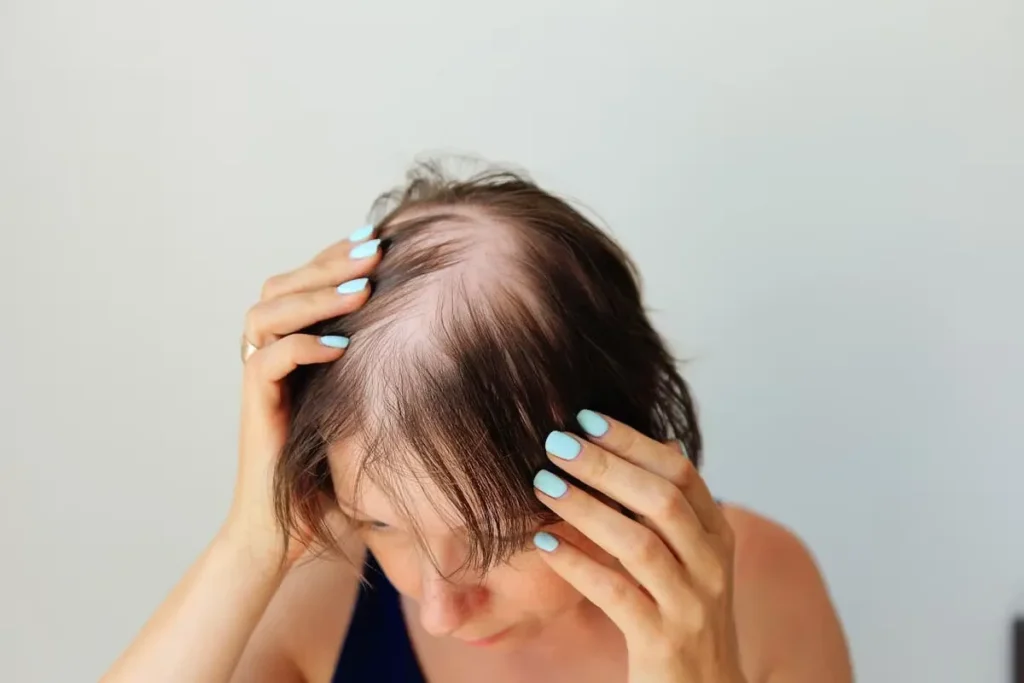
Modern hair transplant techniques now offer a way to get a fuller head of hair with little risk. These new methods have changed how we deal with hair loss. They provide safe and effective ways to solve the problem. The main methods today are Follicular Unit Extraction (FUE) and Follicular Unit Transplantation (FUT).
FUE and FUT: The Two Main Techniques
FUE takes individual hair follicles from the donor area with a special tool. This results in little scarring and a quick recovery. It’s great for those who want a less invasive method with fast results.
FUT, on the other hand, removes a strip of scalp from the donor area. This strip is then cut into individual grafts for transplant. FUT might leave a longer scar but can transplant more grafts at once.
Both FUE and FUT are done under local anesthesia, making the process painless. The choice between them depends on your hair loss, donor hair quality, and personal preference. It’s key to talk to a skilled practitioner to find the best method for you.
The Biological Process of Hair Follicle Relocation
Transplanting hair follicles from the donor area to the recipient sites is the process. This doesn’t involve genetic changes or harmful substances. So, there’s no worry about hair transplant risk or dangers of hair transplant. The transplanted follicles grow naturally, giving a lasting fix for hair loss.
Medical Expert, a well-known hair restoration surgeon, says,
This shows how safe and effective modern hair transplant methods are.
Knowing about these techniques and processes can ease worries about risk of hair transplant surgery. By picking a skilled and experienced doctor, you can lower risks and get a natural, fuller hair look.
Can Hair Transplant Cause Cancer? Examining the Scientific Evidence
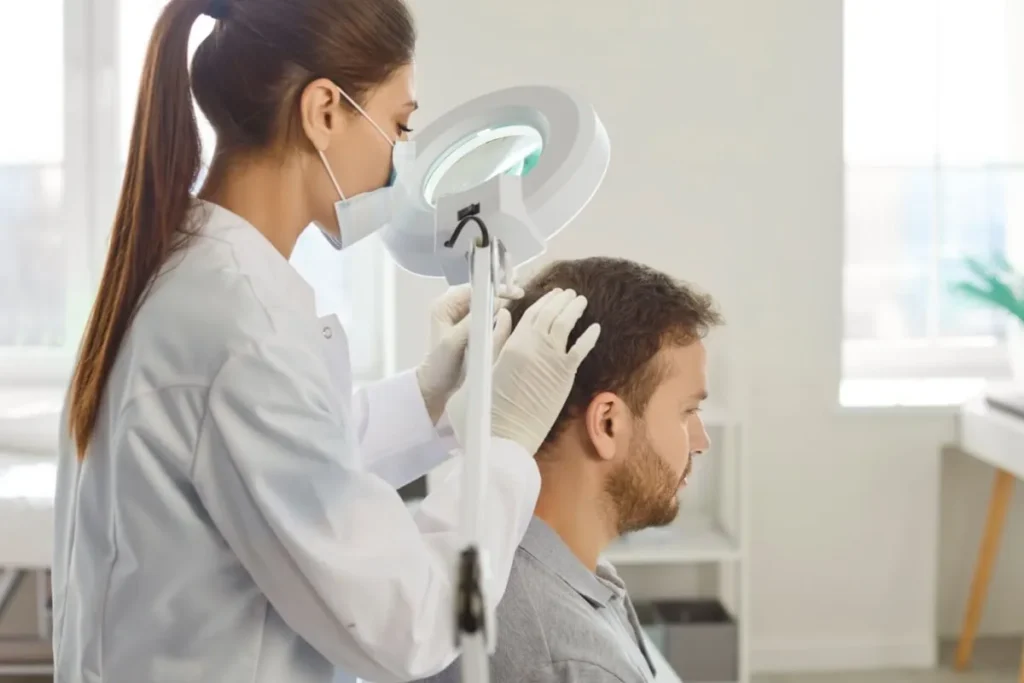
Many people worry about hair transplants and cancer. As more people get hair restoration surgery, it’s key to look at the science. We need to know if there’s a cancer risk.
Long-Term Studies and Research Findings
Researchers have looked hard at hair transplants and cancer. Long studies show no link between hair transplants and cancer. For example, a study in the Journal of Clinical and Aesthetic Dermatology found no higher cancer risk in transplant patients.
Key findings from these studies include:
No significant difference in cancer incidence between hair transplant patients and the general population
No specific type of cancer was associated with hair transplant procedures
Long-term follow-up data showed no delayed onset of cancer related to hair transplants
Why Hair Transplants Don’t Affect Cellular DNA
Hair transplant procedures move healthy hair follicles from one place to another. This doesn’t change DNA or add harmful substances. It’s just a cosmetic change that doesn’t affect cells or genes.
The science is clear: hair transplants are safe and effective for growing hair. They don’t harm your health or raise cancer risk.
Medical Expert Consensus on Cancer Risk
Doctors and oncologists say hair transplants are safe. They don’t change DNA or cell behavior. Experts agree that hair transplants don’t cause cancer. Groups like the American Academy of Dermatology say these procedures are safe when done right.
Knowing the science and expert views helps people decide on hair transplants. The big consensus is that hair transplants are safe for growing hair. They don’t increase cancer risk.
Real Risks and Side Effects to Consider
It’s important to know the risks and side effects of hair transplants before deciding. Hair transplantation is generally safe with skilled professionals. But, it’s not risk-free.
Common Short-Term Side Effects
Right after a hair transplant, you might see temporary swelling and bruising in the treated spots. These effects are usually mild and go away in a few days to a week. Some might feel mild pain or discomfort, which can be eased with medicine.
Other short-term side effects include redness, itching, or a tight scalp feeling. These are usually not serious and get better as the scalp heals.
Legitimate Long-Term Considerations
There are some long-term things to think about. Scarring is a possible long-term effect, more common with FUT. But, FUE usually leaves minimal, hard-to-notice scars.
Another long-term worry is temporary or permanent numbness or different feelings in the scalp. This is usually short-lived but can last in some cases.
When to Consult a Medical Professional
Talking to a qualified doctor before a hair transplant is key. They can help figure out if it’s right for you. If you notice excessive bleeding, infection signs, or prolonged pain after, get help right away.
Knowing these risks and side effects helps you make smart choices about your hair restoration. This way, you can aim for the best results.
Conclusion
Research shows hair transplants are safe and work well for hair loss. There’s no proof they raise cancer risk. The process moves hair follicles without changing DNA, keeping it safe from cancer.
Dermatologists and oncologists say hair transplants are just for looks. They don’t harm your genes or how cells work. With FDA approval and no cancer cases linked to hair transplants, you can feel safe trying it.
Learning about hair transplants and their safety lets you take care of your beauty. Talk to a skilled expert for the best results. Start your path to more hair without worrying about cancer or safety issues.
FAQ
Does hair transplant surgery increase the risk of cancer?
No, hair transplant surgery does not increase the risk of cancer. It moves healthy hair follicles without changing their DNA or cells.
Are hair transplants safe in terms of cancer risk?
Yes, hair transplants are safe when it comes to cancer risk. Studies have shown no link between hair transplants and cancer.
Can hair transplant cause cancer due to the relocation of hair follicles?
No, moving hair follicles during a transplant does not lead to cancer. It’s a safe way to transplant healthy follicles without changing their DNA.
What are the possible risks and side effects of hair transplant surgery?
Short-term side effects include swelling, redness, and mild pain. Long-term, there might be scarring. But these risks are small, thanks to FUE.
How can I minimize the risks associated with hair transplant surgery?
To lower risks, talk to a qualified doctor. They can check if you’re a good candidate for the surgery.
Are FUE and FUT hair transplant techniques safe?
Yes, both FUE and FUT are safe and work well. FUE is less invasive with little scarring. FUT takes a scalp strip, then divides it for transplant.
Do hair transplants involve any carcinogenic substances or genetic modification?
No, hair transplants don’t use harmful substances or genetic changes. This means they don’t raise cancer concerns.
What do medical experts say about the cancer risk associated with hair transplants?
Doctors and oncologists say hair transplants are safe. They don’t change your genes or cell behavior, so they don’t cause cancer.
References
https://wimpoleclinic.com/blog/how-to-fix-a-messed-up-hairline





