
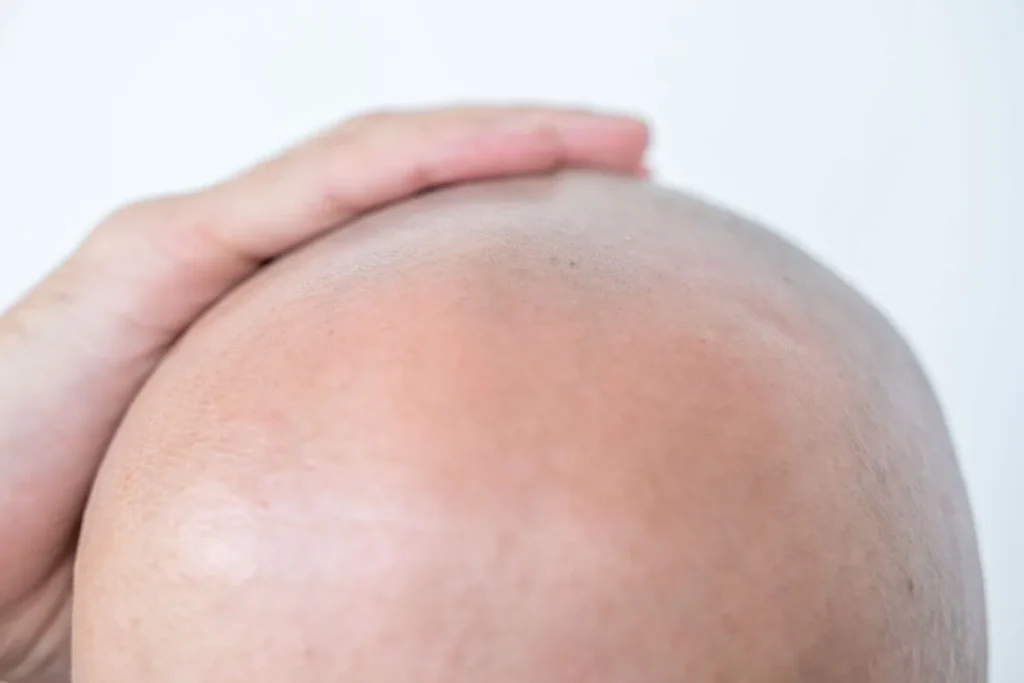
Menopause can bring many changes, including thinning hair and more shedding. Studies show that about 50% of women face this issue during this time. Can Menopause Cause Hair Loss? Discover the best relief strategies to combat thinning hair during menopause and restore your youthful glow.
Eating well, with lots of protein, vitamins, and minerals, can help with hair loss. At GoldCity Center, we use the best practices and focus on our patients to tackle this problem.
Knowing how hormones affect menopausal hair loss is important. By looking into proven treatments, women can feel better about their looks and manage their hair health.
Key Takeaways
Approximately 50% of women experience hair loss during menopause.
A healthy diet rich in protein, vitamins, and minerals can help mitigate hair loss.
Understanding hormonal changes is key to addressing hair loss.
Evidence-based treatment options can help women regain confidence.
GoldCity Center offers patient-centered care for menopausal hair loss.
Can Menopause Cause Hair Loss? Understanding the Connection
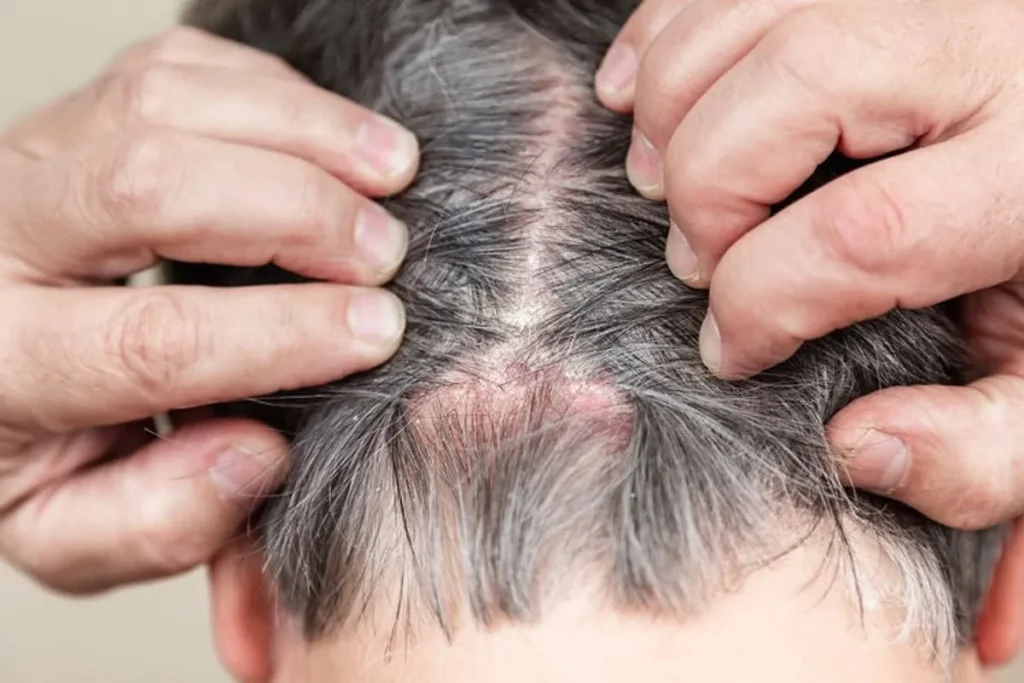
Menopause and hair loss are linked through hormonal changes. Menopause marks the end of a woman’s reproductive years, usually between 45-55. It brings a drop in estrogen and progesterone levels, causing hair loss among other symptoms.
The Science Behind Menopausal Hair Thinning
Hormonal shifts are key in menopausal hair loss. Estrogen keeps hair in the growth phase longer, making hair thicker and fuller. With less estrogen, hair grows shorter and falls out more easily. For more on this, check out Healthline’s article on menopause and hair.
Not just estrogen, but also rising androgen levels play a part. Androgens shrink hair follicles, leading to finer, shorter hair. Knowing this helps in fighting hair loss.
Common Patterns of Hair Loss During Perimenopause and Beyond
Hair loss in menopause can vary. Some see thinning all over, while others notice it in certain spots. The most common is female pattern hair loss (FPHL), where the parting widens and hair thins on top.
Knowing these patterns helps women tackle their hair loss. By tackling the hormonal and physical changes of menopause, women can keep their hair healthy and vibrant.
Medical Treatments for Menopausal Hair Loss

Hair loss during menopause is common. It’s important to know about medical treatments to find a solution. Menopause changes hormones, which can stop hair from growing. Luckily, there are many medical options to help.
Hormone Replacement Therapy (HRT) Considerations
Hormone Replacement Therapy (HRT) replaces hormones that decrease with menopause. It can help with symptoms like hair loss. By balancing hormones, HRT might make hair grow better.
Benefits of HRT for Hair Loss:
Restores hormonal balance
May improve hair growth
Can alleviate other menopausal symptoms
But, HRT isn’t right for everyone. Always talk to a doctor before starting it.
FDA-Approved Medications and Topical Solutions
There are FDA-approved treatments for hair loss. Minoxidil is a well-known one. It’s applied topically to help hair grow and slow loss.
Always talk to a doctor before starting any new treatment. They can help with side effects and find the best plan for you.
When to Consult a Dermatologist or Endocrinologist
Seeing a dermatologist or endocrinologist can help. They can give advice and treatments that fit your needs. They can also find out why you’re losing hair.
Signs that you should consult a specialist:
Significant hair loss or thinning
Uncertain about the cause of hair loss
Presence of other symptoms like scalp irritation
By getting professional advice, women can find many treatments for menopausal hair loss. This includes HRT and FDA-approved medications. They can find the best solution for their hair loss.
Natural Remedies and Lifestyle Changes to Combat Hair Thinning
Dealing with hair loss during menopause needs a mix of natural remedies and lifestyle changes. These steps help women take care of their hair health during this big life change.
Essential Nutrients and Supplements for Hair Health
Eating a balanced diet with protein, omega-3 fatty acids, and vitamins and minerals is key for healthy hair. Foods like salmon, walnuts, and spinach are great sources. Also, biotin and vitamin D supplements can help hair grow. Always talk to a doctor before starting new supplements.
Here are some important nutrients for hair:
Iron: It helps make hemoglobin, which carries oxygen to hair follicles.
Zinc: It supports hair growth and keeps it healthy.
Vitamin C: It helps make collagen and can improve hair texture.
Scalp Care Routines and Hair-Friendly Products
Keeping the scalp healthy is key for hair growth. Gentle scalp care, like massages and mild shampoos, boosts blood flow and reduces stress on hair follicles. Choose hair products that are sulfate-free and made for thinning hair. For more tips on managing hair loss during menopause, check out
Hairstyling Tips and Techniques for Thinning Hair
How you style your hair affects its look and health. For thinning hair, avoid heavy styling products and heat tools. Instead, choose easy, gentle styles that don’t pull on the hair. Layering can also make hair look thicker.
Stress Management Strategies for Hormonal Balance
Stress can make hair loss worse by upsetting hormone levels. Doing stress-reducing activities like yoga, meditation, or deep breathing can help. Also, getting enough sleep and living a healthy lifestyle helps balance hormones and overall well-being.
By using these natural remedies and lifestyle changes, women can fight hair thinning during menopause. This helps keep hair healthy and strong.
Conclusion: Taking Control of Your Hair Health During Menopause
Menopause brings big changes, and hair loss can be upsetting. It’s important to understand how menopause affects hair. By trying different treatments, women can keep their hair healthy and full during this time.
Managing post menopause hair thinning is possible with the right steps. Women can fight hair loss by using medical treatments, natural remedies, and changing their lifestyle. To tackle thinning hair, a plan that includes hormones, nutrients, and scalp care is needed.
Teaching women about their hair health is key. By making smart choices, women can feel confident and happy. With the right help, women can handle their hair during menopause and beyond, looking radiant and beautiful.
FAQ
Is hair loss a common symptom of menopause?
Yes, many women experience hair loss during menopause. This is mainly due to hormonal changes.
Can menopause cause hair thinning?
Yes, the drop in estrogen and progesterone can cause hair thinning and loss.
How can I stop hair loss during menopause?
There are many treatments. These include hormone therapy, FDA-approved drugs, and natural methods like diet and scalp care.
What are the best treatments for thinning hair after menopause?
Options include hormone therapy and topical treatments. Lifestyle changes like eating right and managing stress also help.
Are there any natural remedies for hair loss during menopause?
Yes, natural remedies include diet, scalp care, and stress management. These can fight hair thinning.
How does hormone replacement therapy help with hair loss?
Hormone therapy adds estrogen and progesterone. This helps balance hormones and stop hair loss.
What dietary changes can help with hair thinning during menopause?
Eating more protein, omega-3s, and vitamins helps hair health.
Can stress management help with hair loss during menopause?
Yes, stress management like meditation and yoga helps balance hormones. This can reduce hair loss.
When should I consult a dermatologist or endocrinologist for hair loss?
See a healthcare professional for significant hair loss. They can offer personalized advice and treatment.
References
National Center for Biotechnology Information. Evidence-Based Medical Insight. Retrieved from https://pubmed.ncbi.nlm.nih.gov/35357365/





