Can Multivitamins Cause Hair Loss? Find out the surprising truth about vitamin toxicity and how to choose the right supplements for growth.
Hair loss is a big problem worldwide, hitting up to 80% of men and 50% of women by 50. Seeing your hair thin is not just about looks; it’s a health issue. Not getting enough nutrients is a big part of the problem, and knowing which vitamins to take is key.
Some vitamins help your hair grow, but too much can actually make it fall out more. It’s all about finding the right amount. This article will look at the 7 must-have vitamins for strong hair and how to avoid too much of a good thing.
Key Takeaways
Understanding the role of vitamins in hair loss and hair growth
Identifying the 7 essential vitamins for healthy hair
Learning how to avoid over-supplementation and its negative effects
Discovering the importance of nutritional balance for hair health
Exploring evidence-based approaches to addressing hair loss
Understanding Hair Loss and Nutritional Deficiencies
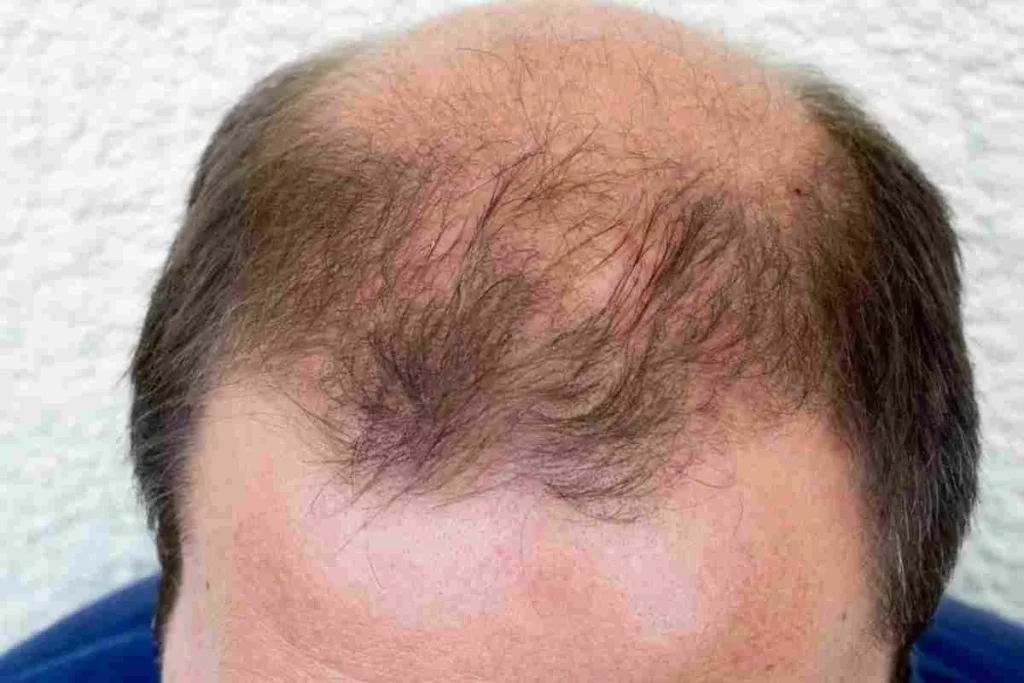
Hair loss is a complex issue. Exploring how nutritional deficiencies affect hair health offers valuable insights. Vitamins and minerals are key to keeping hair healthy.
The Prevalence of Hair Loss in Men and Women
Hair loss affects many people worldwide, both men and women. Iron deficiency is a common cause, more so in women. Biotin deficiency is found in 38% of women with hair loss, showing the role of nutrition.
Hair loss is not just about looks. It can signal deeper health problems. Knowing how nutritional deficiencies cause hair loss helps people tackle their hair issues.
How Vitamin Deficiencies Impact Hair Health
Vitamin deficiencies can harm hair health, causing telogen effluvium and alopecia areata. Vitamin D deficiency, for example, is linked to hair loss. Getting enough vitamins and minerals is key for healthy hair growth.
Vitamin D: vital for hair follicle health
Iron: important for preventing hair loss, mainly in women
Biotin: supports hair structure and growth
These vitamins and minerals help keep hair healthy. A lack of any can cause hair loss or thinning.
Recognizing Signs of Nutritional Deficiency in Your Hair
Spotting signs of nutritional deficiency in your hair is the first step to better hair. Look out for excessive shedding, thinning, and texture changes. If you notice these, see a healthcare professional to find the cause.
Understanding the link between nutritional deficiencies and hair loss helps prevent it. Ensuring you get enough vitamins and minerals is vital for hair growth and preventing loss.
7 Essential Vitamins and Minerals for Preventing Hair Loss
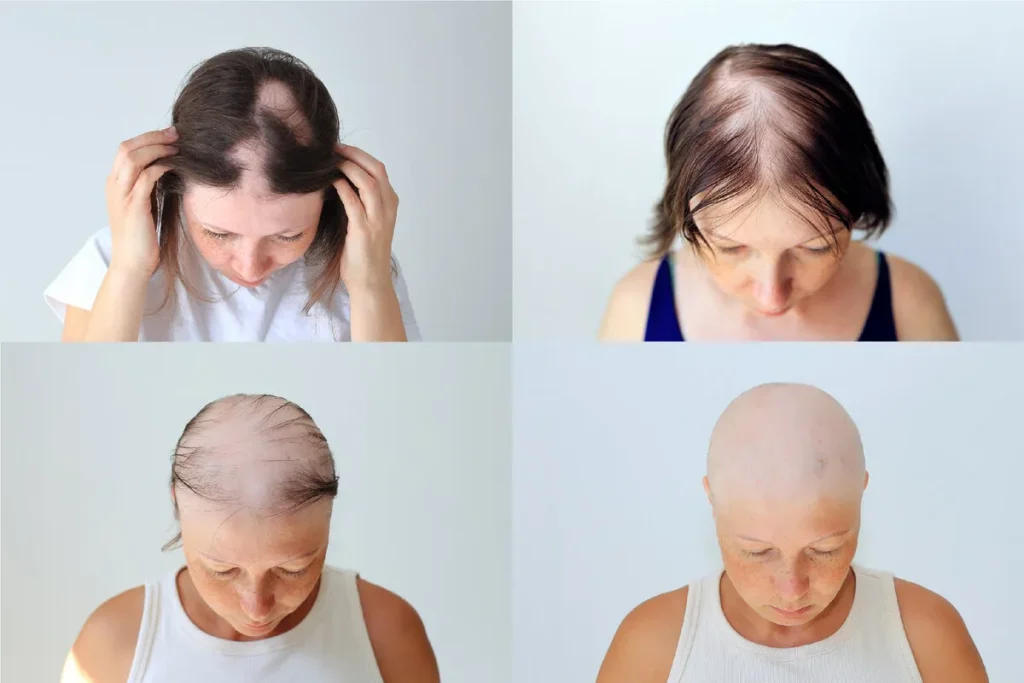
A well-nourished body is key to a full head of hair. Certain vitamins and minerals play a vital role in preventing hair loss. Making sure you get enough of these nutrients can help your hair grow strong and prevent thinning.
Vitamin D: Combating Hair Shedding and Follicle Health
Vitamin D is important for healthy hair follicles. Studies show that not enough vitamin D can cause hair loss and shedding. Getting enough vitamin D through sun, diet, or supplements can fight hair shedding and keep follicles healthy.
Iron: Essential for Women Experiencing Telogen Effluvium
Iron deficiency is a common cause of hair loss, mainly in women. Telogen effluvium, a condition with too much hair shedding, is often due to iron deficiency. Eating iron-rich foods or taking supplements can help fix this issue.
Biotin (B7): Supporting Hair Structure and Growth
Biotin, also known as vitamin B7, is key for healthy hair. It helps keep hair strong and supports hair growth. While biotin deficiency is rare, taking biotin supplements can make hair stronger and healthier.
Promotes hair growth
Strengthens hair structure
Improves overall hair health
Vitamin B12 and Folate: Critical for Cell Division and Protein Synthesis
Vitamin B12 and folate are vital for making red blood cells and keeping hair healthy. They help with cell division and protein synthesis, which are key for hair growth. Not having enough of these vitamins can cause hair loss and thinning.
Eating a balanced diet or taking supplements can help keep your hair healthy and prevent loss.
Can Multivitamins Cause Hair Loss? The Surprising Truth
Multivitamins are often thought to help with hair loss. But, they can sometimes cause more problems than they solve. This happens when the nutrients in these supplements are not balanced right.
Multivitamins aim to fill in nutritional gaps in our diets. They support overall health, including our hair. Yet, the link between multivitamins and hair loss is more complicated than it seems. Too much of certain nutrients can be just as harmful as too little, leading to unexpected hair loss.
When Supplements Backfire: Excess Vitamin A and Selenium
Certain vitamins and minerals, when taken in excess, can lead to hair loss. Excessive intake of Vitamin A and selenium are notable examples. Vitamin A is important for healthy hair, but too much can cause it to fall out. Selenium, while good in small amounts, can cause hair loss when taken too much.
For more information on supplements that can cause hair loss, visit our detailed guide. Knowing which supplements to avoid or limit is key to preventing hair loss.
Finding the Right Balance: Proper Dosage for Healthy Hair
Finding the right balance is key. The table below shows the recommended daily intake of key vitamins and minerals for hair health. It also lists the risks of taking too much.
By knowing the right dosage and the risks, we can make smart choices about our supplements. This helps avoid hair loss and ensures our hair stays healthy.
Conclusion
Understanding how vitamins affect hair health is key to solving hair loss. A balanced diet with essential nutrients is vital for healthy hair. It helps prevent vitamin deficiency.
Adding healthy hair tips to your daily life can greatly help. Pay attention to what you eat and use supplements wisely to aid hair growth. This way, you can achieve a vibrant look and unlock your hair’s full beauty.
By taking a holistic approach to hair care, you can regain your confidence. Making smart choices about your diet and supplements lets you control your hair’s health. This leads to the lush, healthy hair you’ve always wanted.
FAQ
What vitamins are essential for hair growth and preventing hair loss?
Vitamins like vitamin D, iron, biotin, and B vitamins are key for hair health. They help with hair structure, growth, and follicle health. This makes them vital for preventing hair loss and promoting healthy hair.
Can vitamin deficiencies cause hair loss?
Yes, vitamin deficiencies can lead to hair loss. Lack of vitamins like vitamin D, iron, and B vitamins can cause hair shedding and thinning.
How do multivitamins affect hair loss?
While multivitamins support hair health, too much of certain nutrients can harm. Excessive vitamin A and selenium can cause hair loss. Finding the right balance is key for healthy hair.
What is the role of biotin in hair health?
Biotin, or vitamin B7, is vital for hair structure and growth. It strengthens hair follicles, promoting healthy hair growth and reducing hair loss risk.
Can supplements cause hair loss?
Yes, some supplements can cause hair loss if taken too much. Too much vitamin A and selenium can lead to hair loss. Always check with a healthcare professional before starting new supplements.
What are the best vitamins for thinning hair?
Vitamins like biotin, vitamin D, and B vitamins are great for thinning hair. They promote hair growth, strengthen follicles, and improve hair health.
How can I support hair health through nutrition?
Eating a balanced diet with essential vitamins and minerals is key. Include vitamin D, iron, biotin, and B vitamins in your diet. Avoid too much of certain nutrients to promote healthy hair growth and prevent loss.
Are there any specific vitamins that can help with balding?
While no single vitamin can cure balding, biotin, vitamin D, and B vitamins help support hair health. A balanced diet, proper supplements, and a healthy lifestyle can help with balding and promote hair health.
References
National Center for Biotechnology Information. Evidence-Based Medical Insight. Retrieved from https://www.ncbi.nlm.nih.gov/pmc/articles/PMC6380979/





