
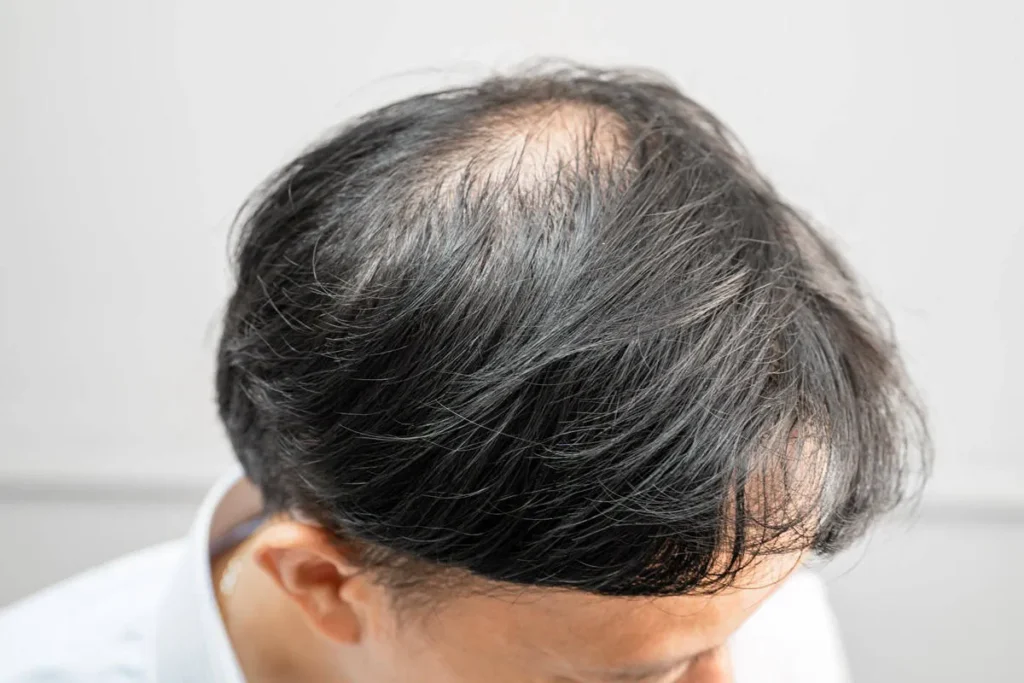
Millions of people worldwide face hair loss due to stress. Many don’t see the link between stress and bald spots. Medical studies show that too much cortisol can lead to hair loss.
At GoldCity Center, we offer top-notch dermatology care. We focus on the latest in healthcare to help with hair loss. As Sri Ramakrishna Hospital’s blog explains, stress can make hair fall out, causing bald spots.
Key Takeaways
Hair loss can be triggered by psychological stress.
High cortisol levels can cause alopecia areata and telogen effluvium.
Stress-related hair loss is often temporary and reversible.
Understanding the mechanisms behind stress-related hair loss is key.
Evidence-based dermatological care can help address hair loss concerns.
The Science Behind Stress and Hair Loss
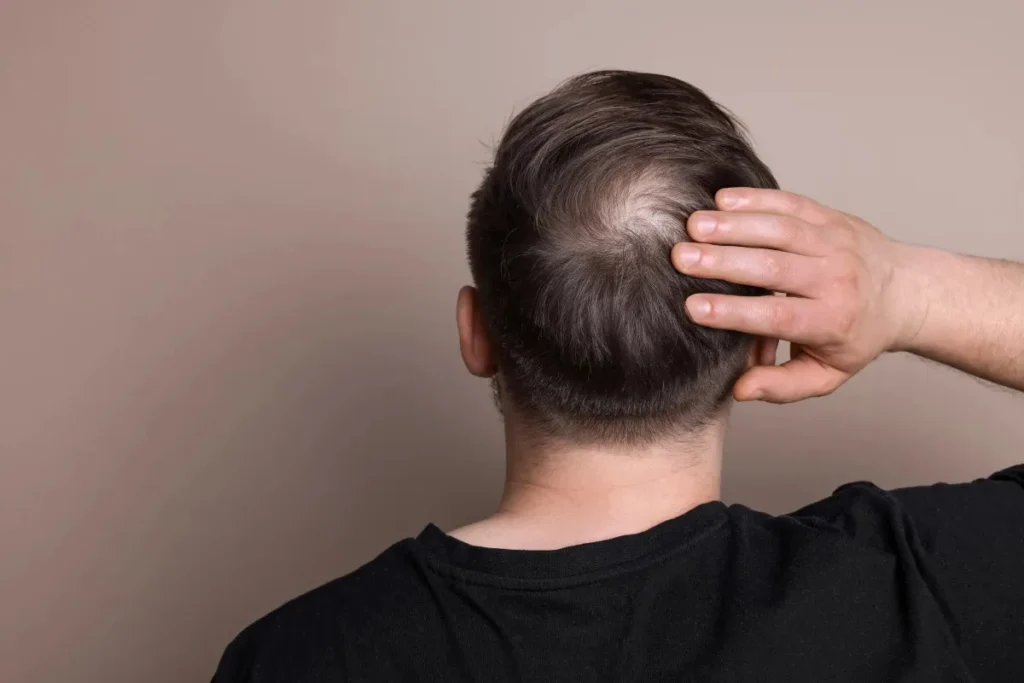
Stress can cause hair loss by affecting hair growth cycles and scalp health. It disrupts the body’s natural balance, impacting hair growth.
How Stress Affects Hair Growth Cycles
Hair grows in cycles with three phases: growth, transitional, and resting. Stress can make hair follicles go into the resting phase too soon. This leads to more hair falling out, known as telogen effluvium.
The Role of Stress Hormones: Stress hormones like cortisone are released when we’re stressed. These hormones can mess up the hair growth cycle. They make more hairs fall out than usual.
Pro-inflammatory Effects on the Scalp
Chronic stress also causes inflammation on the scalp. This inflammation can harm hair follicles, leading to more hair loss.
Inflammation and Hair Loss: Stress-induced inflammation can cause alopecia areata. This is a condition with round, smooth bald patches. It’s important to manage stress to keep hair healthy.
Knowing how stress affects hair loss helps us take action. We can reduce stress and protect our hair. This includes stress-reducing activities and medical help when needed.
Can Stress Cause Bald Spots? Three Main Types
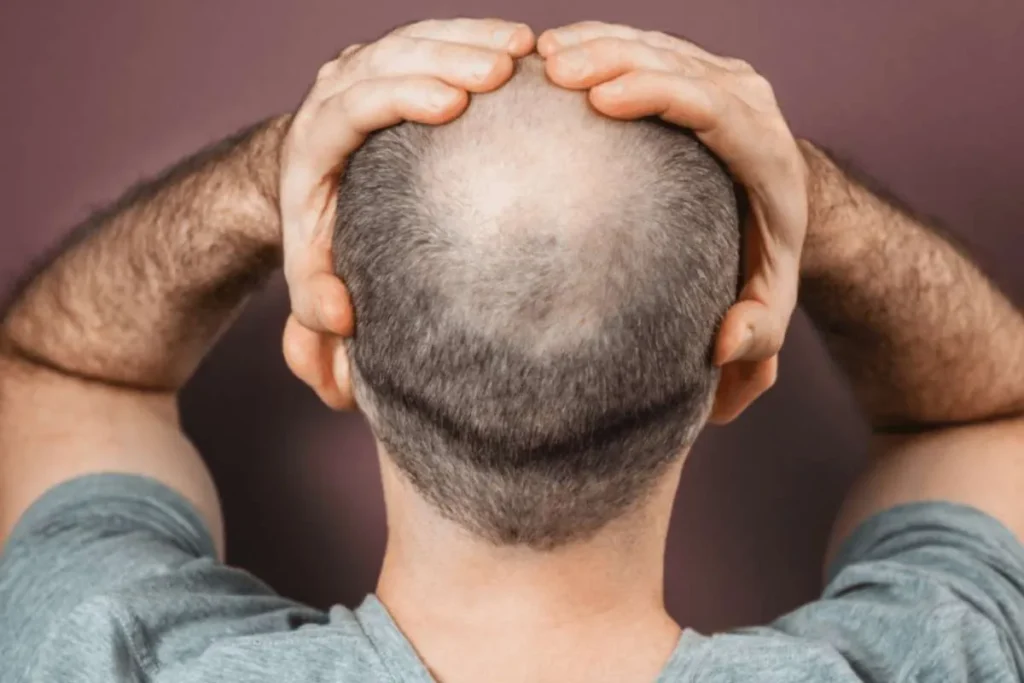
Stress can lead to hair loss in several ways. There are three main types of hair loss caused by stress. Knowing these can help you find the right treatment.
Telogen Effluvium: Excessive Daily Hair Shedding
Telogen effluvium is when you shed a lot of hair, often due to stress. It happens when many hair follicles stop growing and rest. This results in a lot of hair falling out.
Key characteristics of telogen effluvium include:
Excessive hair shedding, often noticed after washing or combing hair
Hair loss can occur all over the scalp, not just in one spot
It’s usually temporary, and hair growth returns once stress is reduced
Alopecia Areata: Round, Smooth Bald Patches
Alopecia areata is an autoimmune condition that causes round bald patches. Stress might trigger it. It happens when the immune system attacks hair follicles.
The symptoms of alopecia areata can vary, but common characteristics include:
Round or oval bald patches on the scalp, which can be smooth or slightly inflamed
Hair loss can occur in other areas of the body, not just the scalp
The condition can be unpredictable, with hair regrowing in some areas while new patches appear in others
Trichotillomania: Stress-Induced Hair Pulling
Trichotillomania is a condition where you compulsively pull your hair, often due to stress or anxiety. It can cause a lot of hair loss, mainly on the scalp, eyebrows, or eyelashes.
Understanding the different types of stress-related hair loss is the first step to treating it. This knowledge can help you find the right treatment.
Treating and Managing Stress-Related Hair Loss
Stress can cause hair loss, but the right treatments and strategies can help. Conditions like telogen effluvium and alopecia areata can be treated. This includes medical care and making lifestyle changes.
Identifying Symptoms and Patterns
First, you need to spot the signs of stress hair loss. Look for more hair falling out and bald spots. Keeping a diary of your hair loss can help find patterns and causes.
Medical Interventions and Treatments
There are many ways to tackle stress hair loss. Here are some:
Oral and Topical Treatments: Minoxidil can help hair grow back. Corticosteroids can fight inflammation.
Professional Dermatology Treatments: PRP therapy can help hair grow again.
Stress Management Techniques for Hair Health
It’s important to manage stress to prevent hair loss. Here are some ways:
Yoga and Meditation: These can lower stress and improve well-being.
Gentle Scalp Care: Massaging your scalp can help blood flow and reduce stress.
Using these stress management methods with medical treatments can help manage hair loss. This way, you can keep your hair healthy.
“The key to overcoming stress-related hair loss lies in a holistic approach that includes medical treatment, lifestyle changes, and stress management.”
Conclusion: Hope for Recovery from Stress-Induced Balding
Recovering from stress balding takes time, self-love, and a good hair care plan. Knowing that stress can lead to hair loss is the first step. It helps you start healing.
By spotting the signs of stress-related hair loss, you can act early. This means managing stress and taking care of your hair. With the right steps, you can stop too much hair loss and grow new, healthy hair.
Does stress make you bald? It’s a bit complicated, but you can fight it. Using medicine, managing stress, and focusing on your health can help. This way, you can get your hair back and look great.
Can stress cause balding? Yes, but it’s not forever. With a balanced approach to hair and stress care, you can overcome it. This will help you feel better about how you look.
FAQ
Can stress really cause bald spots?
Yes, stress can lead to hair loss and bald spots. When stressed, your body’s hair growth cycle can be disrupted. This results in more hair shedding or bald patches.
How does stress affect hair growth cycles?
Stress increases cortisol, a hormone that disrupts hair growth. This causes more hairs to rest, leading to excessive shedding and bald spots.
What are the main types of hair loss caused by stress?
Stress causes three main hair loss types: Telogen Effluvium, Alopecia Areata, and Trichotillomania. These lead to excessive shedding, round bald patches, and stress-induced hair pulling.
Can stress management techniques help with hair loss?
Yes, managing stress through meditation, yoga, or deep breathing can help. It reduces stress effects on hair growth, promoting a healthy cycle.
Are there any medical treatments available for stress-related hair loss?
Yes, treatments like minoxidil, corticosteroids, and anthralin are available. They stimulate hair growth, reduce inflammation, and promote a healthy scalp.
How can I identify the symptoms of stress-related hair loss?
Look for excessive hair shedding, bald patches, or thinning hair. If you notice these, see a healthcare professional to find the cause.
Can stress cause permanent baldness?
Stress-related hair loss can be permanent if not treated. But, with the right treatment and stress management, hair regrowth is possible.
Is there a link between stress and alopecia?
Yes, stress triggers Alopecia Areata, an autoimmune condition causing round bald patches. Managing stress can lower the risk of this condition.
Can I prevent stress-related hair loss?
While preventing stress-related hair loss is challenging, a healthy lifestyle and stress management can help. Gentle hair care products also promote a healthy scalp and reduce hair loss risk.
References
National Center for Biotechnology Information. Evidence-Based Medical Insight. Retrieved from https://pubmed.ncbi.nlm.nih.gov/13756029/





