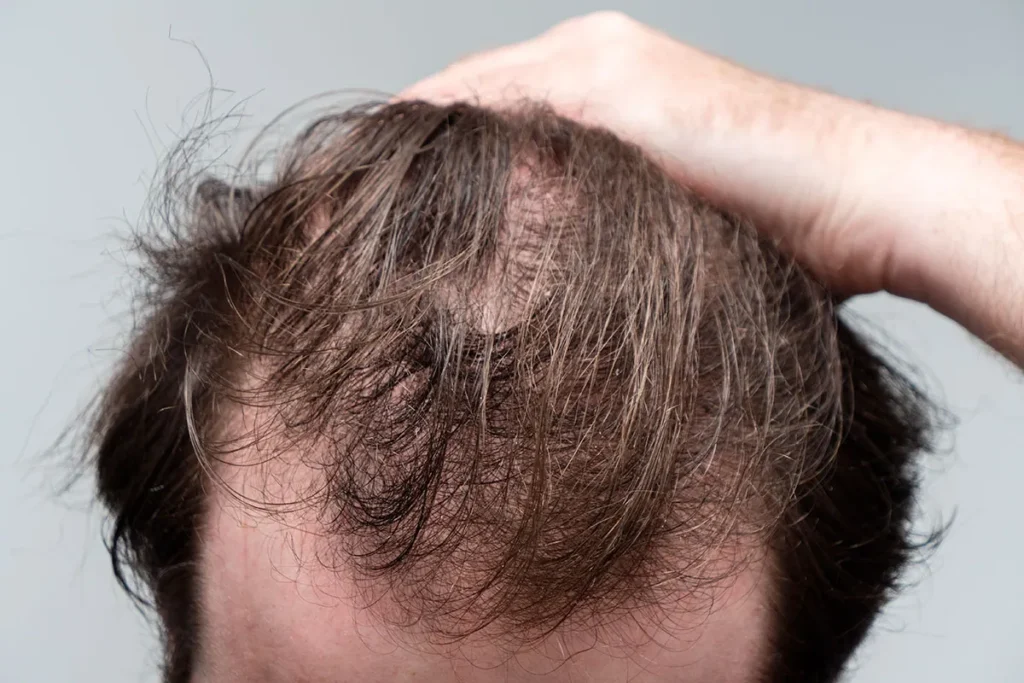
Many people seek luxurious, healthy hair and turn to biotin supplements. But, the science behind this trend is more complex than you might think. Biotin is often seen as a hair growth solution. Yet, clinical research shows a more complicated link between biotin intake and hair health.
Despite its popularity and marketing, the science on biotin and hair loss shows a big gap. It’s important to understand the real science of biotin’s role in hair health. This knowledge helps make smart choices about supplements. Can Too Much Biotin Cause Hair Loss? Get the scientific facts on biotin dosage and learn how to avoid the side effects of over-supplementation.
Key Takeaways
Biotin supplements are often used to prevent or treat biotin deficiency.
Claims about biotin’s effectiveness in treating hair loss are not supported by robust clinical evidence.
Excessive biotin intake may have unintended consequences on overall health.
A nuanced understanding of biotin’s role in hair health is essential for informed supplementation decisions.
Consulting a healthcare professional is recommended before starting biotin supplements.
Understanding Biotin and Its Role in Hair Health
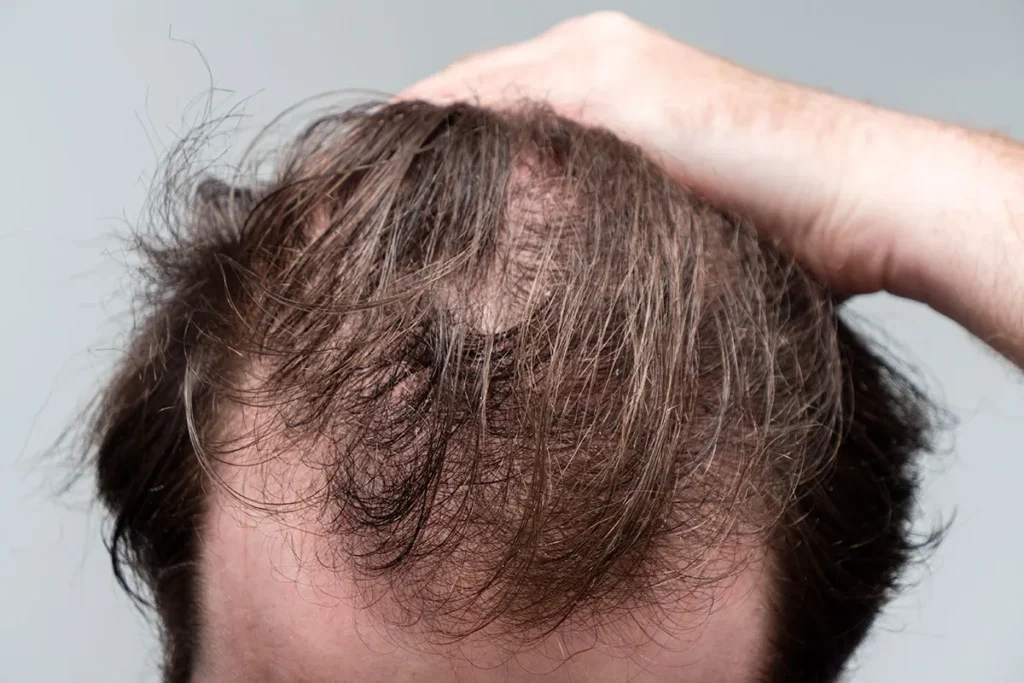
To understand biotin’s effect on hair, we need to know what it is and how it works in our bodies. Biotin is a B-complex vitamin that helps our bodies break down fats, carbs, and proteins. It’s key for turning nutrients into energy, which keeps our hair, skin, and nails healthy.
What Is Biotin and Its Function in the Body
Biotin helps our bodies make fatty acids and glucose, which are energy sources. It also aids in the breakdown of amino acids, which are important for hair growth. Studies show that biotin might not be as effective for hair growth in people who don’t lack it, suggesting its benefits are more complex than thought.
Natural Sources and Dietary Intake of Biotin
You can find biotin in foods like liver, cauliflower, salmon, carrots, bananas, soy flour, cereals, and yeast. Eating these foods can help keep your hair healthy. Eating a variety of whole foods can give you enough biotin, making supplements less necessary. For instance, a salmon fillet or a cup of cauliflower can add a lot to your daily biotin.
Knowing where to find biotin and eating a balanced diet is essential for hair health. While supplements can help those with deficiencies, a diet full of biotin can keep your hair healthy and prevent loss.
Can Too Much Biotin Cause Hair Loss? Examining the Evidence
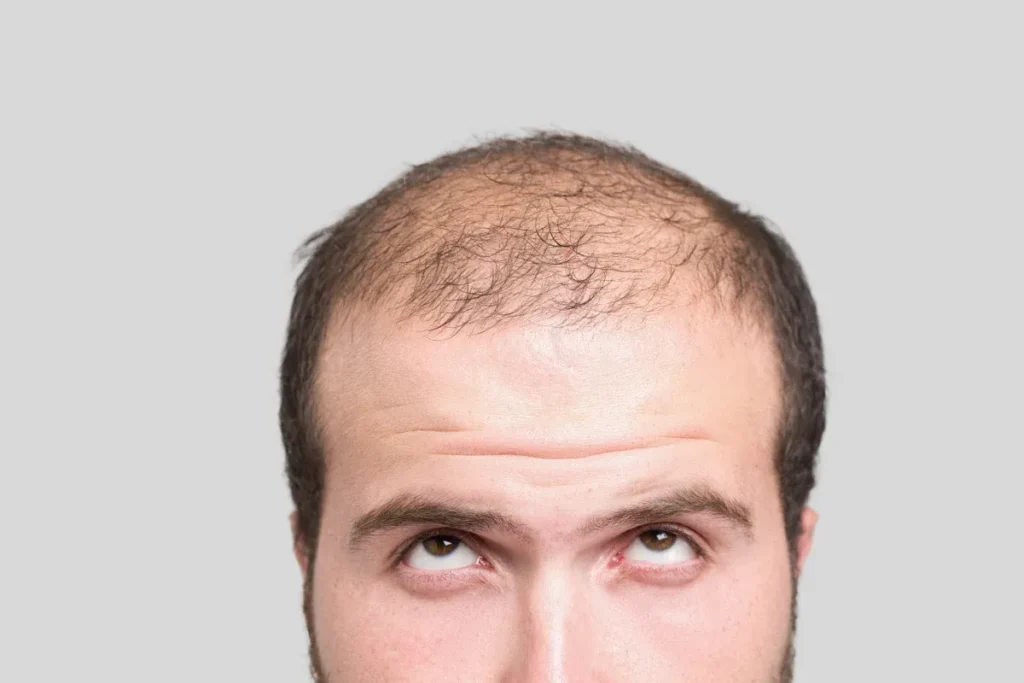
The role of biotin in hair growth is a topic of debate. Marketing often claims more than science supports. Looking into the research, we find that biotin’s effect on hair is more complex than thought.
The Gap Between Marketing Claims and Scientific Research
Studies show biotin doesn’t help hair growth in people who don’t lack it. Only three human studies have looked into biotin for hair, with the best one from 1966. It found no difference between biotin and placebo groups.
Today, 38 percent of people who take biotin say it helps their hair, possibly due to a placebo effect. This gap between what people think and what science shows shows we need a deeper understanding of biotin’s role in hair health.
It’s key to look at biotin’s effects on hair critically. Marketing promises luxurious, radiant hair, but science is more nuanced. By understanding the gap between marketing and research, we can make better choices about biotin.
Biotin might not be the hair loss cure it’s made out to be. Yet, it could help those with deficiencies or specific hair needs. As with any supplement, making informed choices is essential.
Potential Side Effects of Excessive Biotin Intake
Biotin supplements are getting more popular. But, it’s important to know the risks of taking too much. While biotin is usually safe, too much can cause problems.
Recommended Daily Intake vs. Common Supplement Dosages
The Institute of Medicine says adults need 30 micrograms of biotin daily. But, a Western diet often gives 35 to 70 micrograms. Many people take 500 to 1000 micrograms a day, which is more than needed. This big difference between what we need and what we take raises concerns about the dangers of too much biotin.
Documented Side Effects of Biotin Overuse
High doses of biotin can cause several issues. These include:
Skin rashes and acne-like symptoms
Interference with laboratory test results, such as thyroid function tests
Digestive issues, including nausea and diarrhea
Here’s a table to show the side effects in detail:
How Biotin Interacts with Other Hair Growth Factors
Biotin doesn’t work alone; it works with other nutrients for hair growth. Knowing how it interacts is important. For example, biotin works well with Vitamin C and Vitamin E, and with zinc and iron too.
When thinking about biotin supplements, remember too much can upset the body’s balance. As our article on how too much biotin can cause hair loss shows, finding the right amount is key.
Conclusion: Making Informed Decisions About Biotin Supplementation
Biotin supplements are a big topic in hair health. Some say biotin is great for hair growth, but science doesn’t fully agree. It’s important to think about the good and bad of biotin, mainly with high doses.
Cancer patients need to be careful with biotin supplements. They can mess with lab tests that track cancer treatment. On the other hand, topical minoxidil is safe and works well for hair loss from chemo. So, does stopping biotin cause hair loss? It’s about understanding biotin’s role in hair health.
To reach your beauty goals, make smart choices about biotin. Talk to a healthcare expert to find what’s best for you. This way, you can take care of your hair and shine brightly.
FAQ
Can too much biotin cause hair loss?
Too much biotin might cause hair loss in some people. It’s important to understand how biotin affects hair health.
Does biotin cause hair loss?
Biotin itself doesn’t directly cause hair loss. But, too much of it can upset the balance and lead to hair loss.
Can biotin make your hair fall out?
Biotin supplements can sometimes cause hair shedding, mainly if taken in too much. This usually gets better once you adjust how much biotin you take.
Is too much biotin bad for your hair?
Too much biotin can cause hair loss, skin rashes, and stomach problems. Always follow the recommended amount and talk to a doctor before taking supplements.
What are the side effects of too much biotin?
Too much biotin can cause hair loss, skin rashes, stomach issues, and affect lab test results.
Can stopping biotin cause hair loss?
Stopping biotin suddenly might make your hair fall out temporarily. But, not everyone experiences this, and it depends on many factors.
How does biotin interact with other hair growth factors?
Biotin works with vitamins and minerals to help hair grow. Knowing how it interacts with these nutrients is key to using biotin wisely.
Can biotin cause hair thinning?
While biotin is linked to hair growth, too much of it might make hair thinner in some people.
Why is my hair falling out after taking biotin?
Hair loss after biotin might be due to too much intake, how your body reacts, or how it interacts with other nutrients.
References
National Center for Biotechnology Information. Evidence-Based Medical Insight. Retrieved from https://www.ncbi.nlm.nih.gov/pmc/articles/PMC5582478/





