
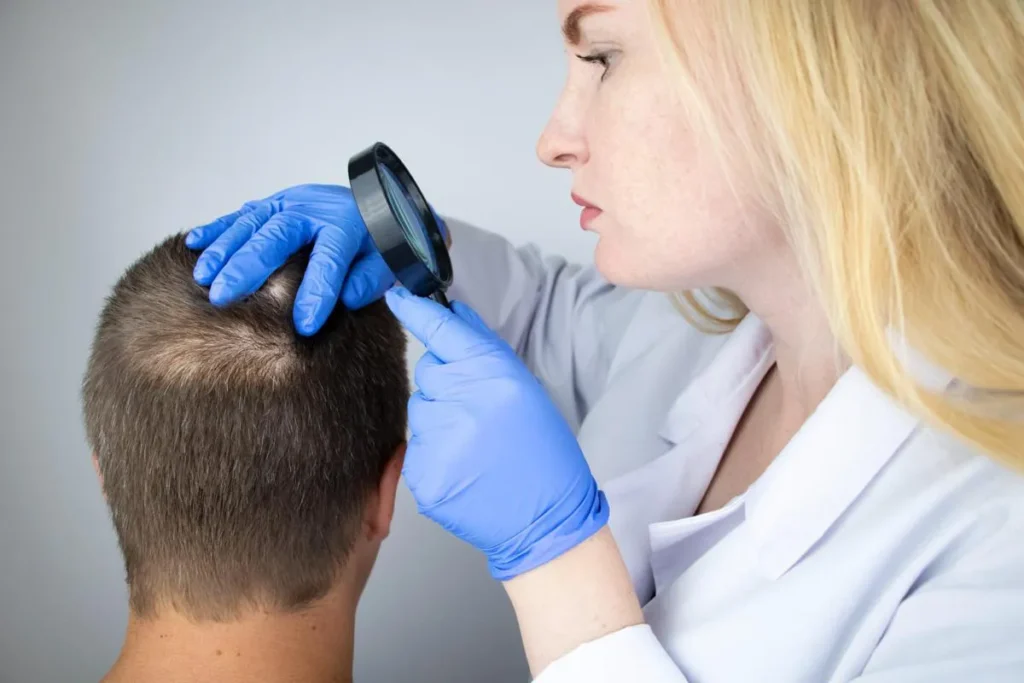
Discover the secret to beautiful hair with vitamin E. This powerful antioxidant supports hair health. It protects cells from damage, helping your scalp stay healthy and promoting hair growth.
Vitamin E is a group of eight fat-soluble compounds. It offers many benefits for hair, like improving scalp circulation and keeping moisture in. Adding vitamin E to your hair care can make your hair look radiant and healthy.
Key Takeaways
Vitamin E is a powerful antioxidant that supports hair health.
It helps protect the scalp from oxidative stress.
Vitamin E promotes a healthy environment for hair growth.
Incorporating vitamin E into your hair care routine can enhance scalp circulation.
It helps lock in moisture, reducing breakage and adding shine to hair.
Can Vitamin E Help Hair Growth? The Science Explained
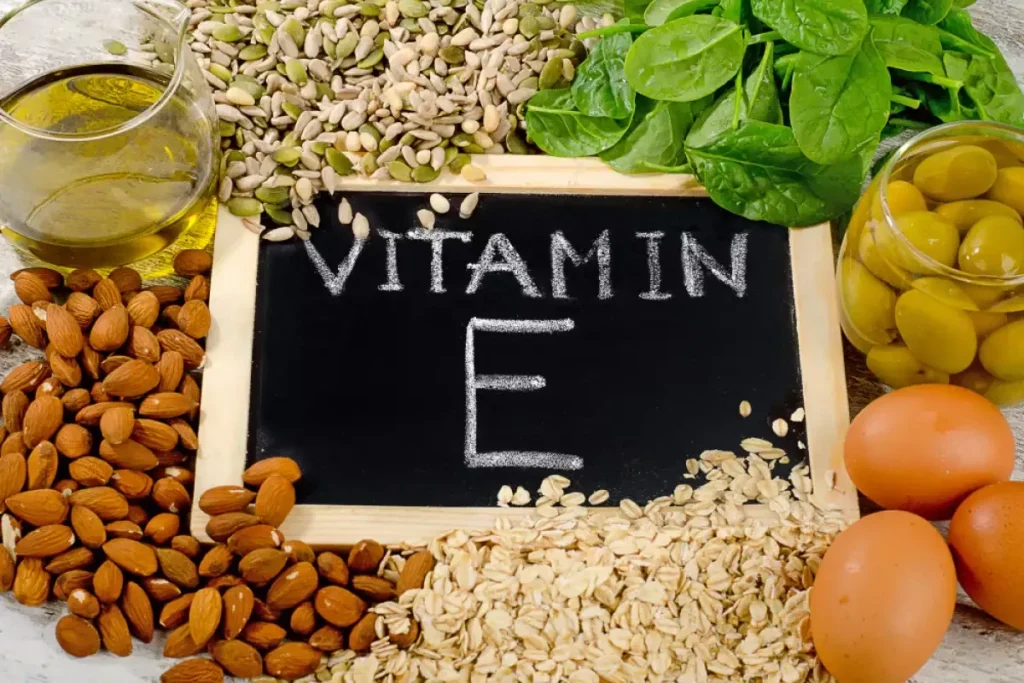
Vitamin E is known for its antioxidant properties. It’s gaining attention for its role in hair health. Let’s dive into how Vitamin E affects hair growth.
Understanding Tocopherols and Tocotrienols
Vitamin E is made up of tocopherols and tocotrienols. These work together to protect cells, including hair follicles. Tocopherols are famous for their antioxidant powers. Tocotrienols, on the other hand, have strong antioxidant and anti-inflammatory effects.
Clinical Evidence: The 34.5% Hair Count Increase Study
A 2010 study showed tocotrienol’s power in hair growth. Participants saw a 34.5% increase in hair count after eight months. This study highlights Vitamin E’s role in fighting hair loss.
How Vitamin E Combats Oxidative Stress in Hair Follicles
Oxidative stress causes hair loss and early greying. Vitamin E fights this stress, supporting hair health. It neutralizes free radicals, protecting hair follicles for growth.
In summary, Vitamin E’s science on hair growth is strong. Its compounds and actions make it a natural way to improve hair health.
Effective Ways to Use Vitamin E for Hair Health
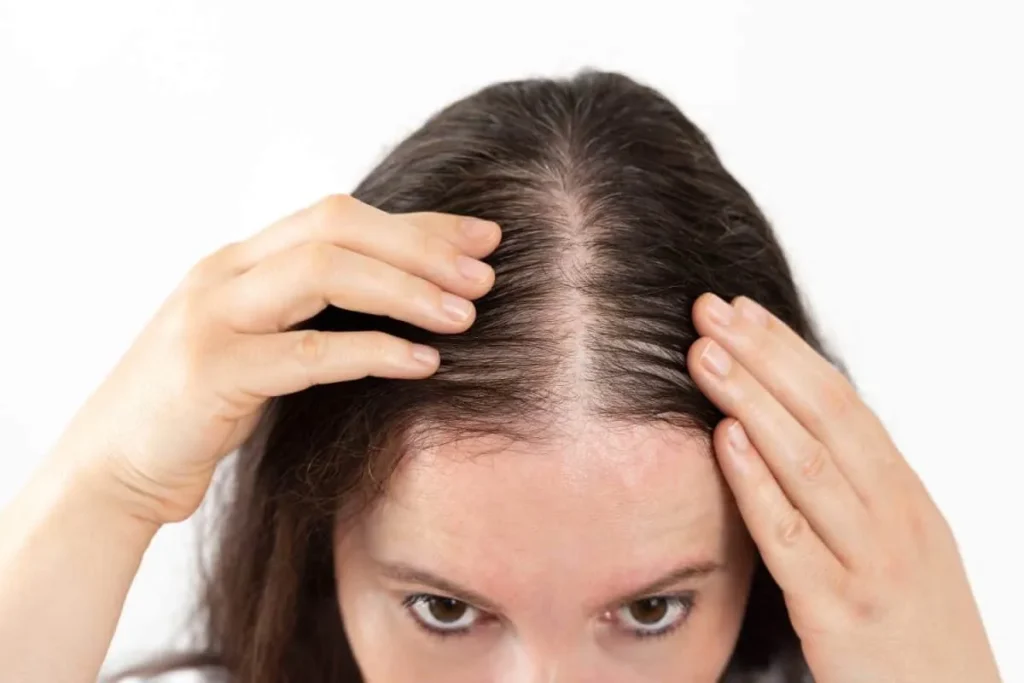
Discover how Vitamin E can transform your hair with these easy methods. It’s known for its antioxidant powers, which are key to keeping your hair and scalp healthy.
Topical Application Methods
Using Vitamin E oil on your hair can be very beneficial. Mix a few drops of Vitamin E oil with coconut or olive oil. Then, gently massage it into your scalp. This boosts blood flow and feeds your hair follicles.
Benefits of Topical Application:
Stimulates blood flow to the scalp
Nourishes hair follicles
Protects against oxidative stress
Oral Supplementation Guidelines
Taking Vitamin E orally can also help your hair from the inside. Always talk to a healthcare professional before starting any supplements. They can help find the right amount for you.
Special Benefits for Women’s Hair Health
Vitamin E is great for women’s hair, keeping the scalp healthy and hair shiny. Its antioxidants protect hair follicles from damage.
“Adding Vitamin E to your hair care can greatly improve your hair’s health and look.”
Learning how to use Vitamin E for hair health can help you choose better hair care. It uses Vitamin E’s antioxidants to make your hair healthier and more vibrant.
Conclusion: Timeline for Results and Best Practices
Starting a journey with Vitamin E for your hair takes time and regular effort. Does vitamin E help hair growth? Yes, it fights oxidative stress in hair follicles. This helps keep your scalp healthy and encourages hair growth.
Is vitamin E good for the hair? Definitely. Taking it regularly can show results in four to eight months. Using Vitamin E oil on your scalp can also boost hair growth. It does this by improving blood flow and reducing stress on your hair.
To get the most out of Vitamin E for your hair, use it correctly and regularly. Always talk to a doctor before starting any supplements. This ensures they’re right for your hair type and needs.
Adding Vitamin E to your hair care routine does more than just nourish your hair. It’s a step towards having beautiful, healthy hair. Start your journey with Vitamin E and see your hair shine.
FAQ
What does Vitamin E oil do for your hair?
Vitamin E oil nourishes and protects your hair. It fights oxidative stress and promotes healthy growth. It also improves your hair’s overall health.
How do you apply Vitamin E capsules for hair?
To use Vitamin E capsules for hair, pierce the capsule. Then, apply the oil to your scalp or hair ends. You can also mix it with your hair care products for extra nutrition.
Is Vitamin E good for hair loss?
Yes, Vitamin E is good for hair loss. It reduces oxidative stress in the scalp. This creates a healthy environment for hair growth.
Can Vitamin E oil help hair growth?
Yes, Vitamin E oil can help stimulate hair growth. It improves circulation, reduces oxidative stress, and promotes scalp health.
What are the benefits of Vitamin E for women’s hair?
Vitamin E benefits women’s hair by nourishing the scalp. It promotes healthy hair growth and improves hair appearance. It makes hair shinier and more manageable.
Are there any side effects of using Vitamin E capsules for hair?
While generally safe, Vitamin E capsules can cause allergic reactions or skin irritation. A patch test is recommended before regular use.
How long does it take to see results from using Vitamin E for hair growth?
Results from using Vitamin E for hair growth vary. But, with consistent use, many notice improvements in hair health and growth within weeks to months.
Can I take Vitamin E supplements for hair growth?
Yes, Vitamin E supplements can support hair growth. They provide necessary nutrients for healthy hair follicles. But, consult a healthcare professional before starting any supplement regimen.
Will Vitamin E help hair regrowth?
Vitamin E can help support hair regrowth. It creates a healthy environment for hair growth, reduces oxidative stress, and promotes scalp health.
References
National Center for Biotechnology Information. Evidence-Based Medical Insight. Retrieved from https://www.ncbi.nlm.nih.gov/pmc/articles/PMC6380979/





