Can Women Get Male Pattern Baldness? Understand androgenetic alopecia in females and find the best relief options to restore your hair.
Androgenetic alopecia, a condition often linked to men, is a big worry for millions of women worldwide. It’s not just a men’s issue; it affects about 30 million women in the United States. This condition is also known as female pattern hair loss.
It’s important to know what androgenetic alopecia definition means. It’s a genetic issue that causes hair to thin. This happens because of a hormone change, where testosterone turns into dihydrotestosterone (DHT). DHT makes hair follicles shrink.
GoldCity Center’s dermatology team offers a luxury transformation for those dealing with this condition. They help bring timeless beauty and confidence back to those affected.
Key Takeaways
Androgenetic alopecia affects both men and women.
Approximately 30 million women in the US are affected by female pattern hair loss.
The condition is characterized by hair thinning due to hormonal influences.
Understanding the definition of androgenetic alopecia is key to managing it.
GoldCity Center offers expert care for individuals experiencing hair loss.
Can Women Get Male Pattern Baldness? The Truth About Androgenetic Alopecia
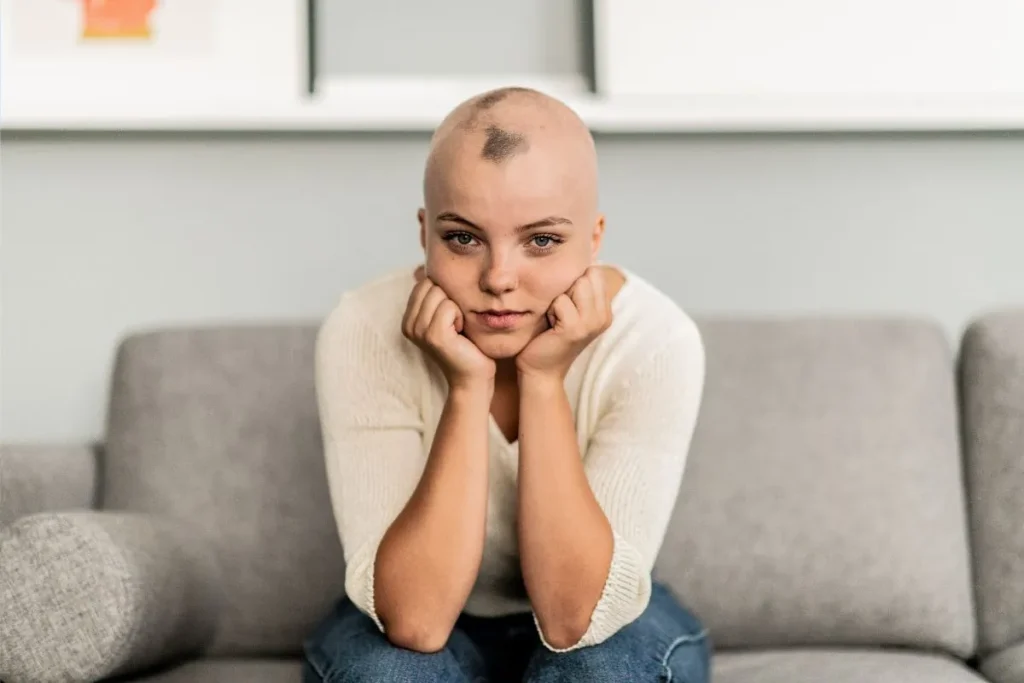
Male pattern baldness is common in men, but women can get it too. It’s called androgenetic alopecia. This condition is caused by genetics and hormones, leading to hair loss.
What is Androgenetic Alopecia?
Androgenetic alopecia affects both men and women. It causes hair to thin gradually, mainly on the scalp. Knowing about it helps in managing and treating it effectively.
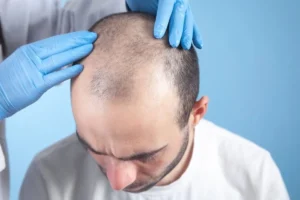
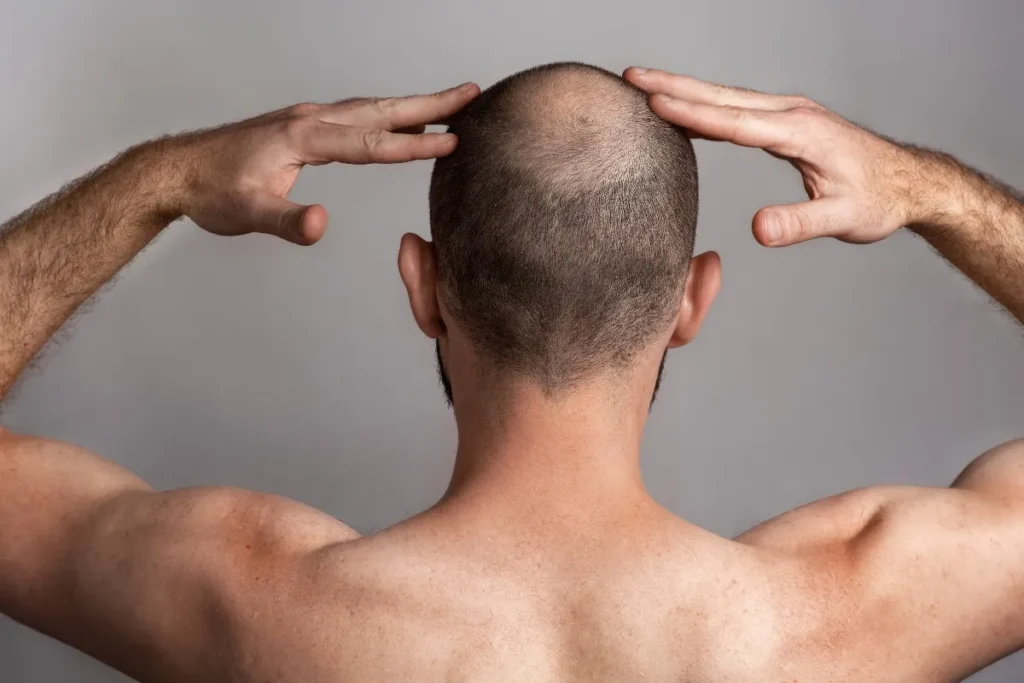
Men often see a receding hairline and thinning at the crown. Women experience thinning hair all over the scalp, not just at the front.
Prevalence and Statistics in the United States
In the U.S., about 50 million men and 30 million women suffer from androgenetic alopecia. It’s more common with age, affecting many older adults.
The numbers show how big of a problem androgenetic alopecia is for both men and women. It’s important to know about it and find good treatments.
How Female Pattern Hair Loss Differs from Male Pattern Baldness
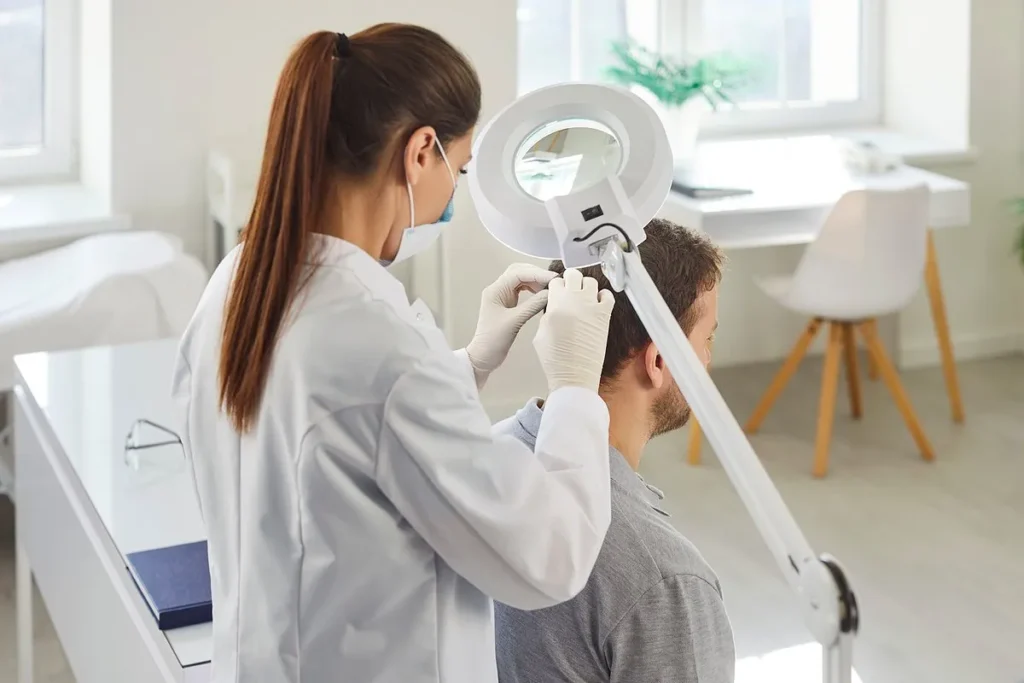
Hair loss in women due to androgenetic alopecia is different from men’s. Both sexes can lose hair, but it shows up differently. The way it happens and grows is very different.
Distinctive Pattern of Hair Loss in Women
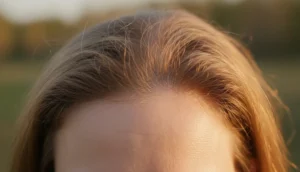
Women with androgenetic alopecia see hair thinning on the crown. But, their hairline stays the same. This is unlike men, who often lose hair from the front and top.
Women’s hair loss looks like a “Christmas tree” because of a wider part and thinning crown. This is because their hair follicles are more sensitive to DHT, a byproduct of testosterone. This sensitivity causes hair to thin gradually.
Age of Onset and Progression
Female pattern hair loss starts after menopause or during big hormonal changes. Women usually start losing hair later than men, who can start in their teens or early twenties.
Women’s hair loss gets worse slower than men’s. But, it can affect their self-image because of hair’s role in beauty. Knowing the differences helps doctors find better treatments.
Doctors can now treat female pattern hair loss more effectively. They use hormonal treatments, creams, and changes in lifestyle to help. These steps help keep hair healthy.
Causes and Management of Female Pattern Hair Loss
Understanding female pattern hair loss is key to managing it. This condition, also known as androgenetic alopecia, affects many women. It can lower their self-esteem and quality of life.
Genetic and Hormonal Factors
Androgens, like dihydrotestosterone (DHT), are big players in androgenetic alopecia. Genetic predisposition is a major factor, with those with a family history more likely to experience it. Hormonal changes, such as those during menopause or pregnancy, can also play a role.
The impact of hormonal fluctuations during these times can make hair loss worse for some women. Knowing this is important for creating an effective treatment plan.
Treatment and Management Options
There are many ways to manage female pattern hair loss. Minoxidil, a topical solution, is often recommended. It helps stimulate hair growth and extend the anagen phase.
Finasteride might be prescribed for postmenopausal women. Other treatments include low-level laser therapy (LLLT) and platelet-rich plasma (PRP) therapy. These have shown to help promote hair growth.
Minoxidil: Stimulates hair growth and prolongs the anagen phase.
Finasteride: May be used in postmenopausal women to treat hair loss.
Low-level laser therapy (LLLT): Promotes hair growth through photobiomodulation.
Platelet-rich plasma (PRP) therapy: Involves injecting platelet-rich plasma into the scalp to stimulate hair growth.
Conclusion
Understanding androgenetic alopecia is the first step towards reclaiming your hair’s natural beauty. This condition affects millions of women worldwide. It can be treated with various options, including medical and surgical interventions.
Dr. Sam Lam and Dr. Zari show the importance of personalized treatment plans. They consider medical history, hormonal profile, and patient preferences. Solutions range from topical Minoxidil to hair transplantation techniques like FUE and FUT. These are available for managing hair loss.
By choosing the right treatments and therapies, women can see big improvements in hair density and appearance. Starting a journey towards hair restoration can boost confidence and bring out a radiant glow.
FAQ
What is androgenetic alopecia?
Androgenetic alopecia, also known as female pattern hair loss, is a common condition. It causes hair to thin, mainly on the top and crown of the scalp. This happens due to genetics and hormones.
Is androgenetic alopecia only a male condition?
No, it affects both men and women. The pattern and severity of hair loss can differ between the sexes.
How common is androgenetic alopecia in women?
It’s a big concern for women. About 40% of women experience hair loss by age 50. This shows the need for awareness and effective management.
What are the primary causes of androgenetic alopecia in women?
It’s mainly caused by genetics and hormones. Androgens like dihydrotestosterone (DHT) affect hair follicles.
Can androgenetic alopecia be treated?
Yes, there are treatments. Options include medications like minoxidil and finasteride, low-level laser therapy (LLLT), and hair transplantation. These aim to slow hair loss and stimulate growth.
How does androgenetic alopecia manifest differently in women compared to men?
Women experience diffuse thinning across the scalp. This is different from the balding pattern in men. The onset is often later, around menopause or post-menopause.
Are there any lifestyle changes that can help manage androgenetic alopecia?
Yes, a healthy diet, reducing stress, and gentle hair care can help. Specific treatments target the causes of hair loss.
Can hormonal imbalances contribute to androgenetic alopecia?
Yes, hormonal changes, like an excess of androgens, can contribute to it. This is true for those who are susceptible.
https://wimpoleclinic.com/blog/how-to-fix-a-messed-up-hairline