
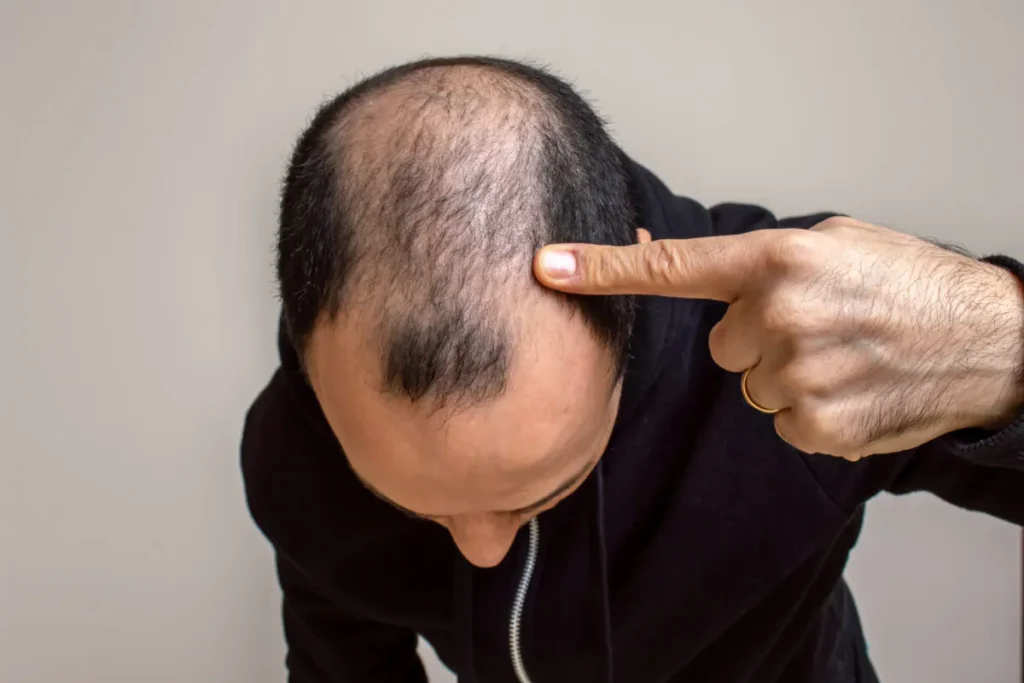
Causes Of Alopecia Areata In Children can be scary. Get the best expert help and understand the triggers to support your child’s hair health.
Alopecia areata is an autoimmune condition that can cause a lot of stress for young patients and their families. About 60% of people with this condition see their first hair loss before they are 20. It’s very important to spot the early signs to get the right care on time.
GoldCity Center’s pediatric dermatology department has top-notch medical standards and a team of experts. They give families the trust and confidence they need in their care.
Key Takeaways
Understanding alopecia areata is key for early detection and treatment.
Alopecia areata can really affect a child’s emotional health.
GoldCity Center offers special care for kids with skin problems.
Getting help early can make a big difference in treating alopecia areata in kids.
Families can count on GoldCity Center’s team of experts.
Understanding Pediatric Alopecia Areata

It’s important to understand pediatric alopecia areata early. This condition causes hair loss and can affect a child’s self-esteem and well-being.
What is Alopecia Areata?
Alopecia areata is an autoimmune condition that causes hair loss on the scalp or body. In kids, it can show up as small, round patches of baldness or more hair loss. The exact cause is not known, but it’s thought to be a mix of genetics and environment.
Key characteristics of alopecia areata in children include:
Sudden onset of hair loss
Presence of bald patches on the scalp or body
Possible nail changes, such as pitting or brittleness
Prevalence and Demographics in Children
Alopecia areata can happen to any child, but it’s most common in those under 20. Studies show about 60% of people with alopecia areata first lose their hair before 20, with a peak at 6 years old.
The condition is found in 0.11% of kids, with a rise in recent studies. It affects boys and girls the same, but some studies say girls might get it a bit more.
Knowing these facts helps doctors spot at-risk kids early and treat them quickly.
Early Signs and Symptoms of Alopecia Areata in Children
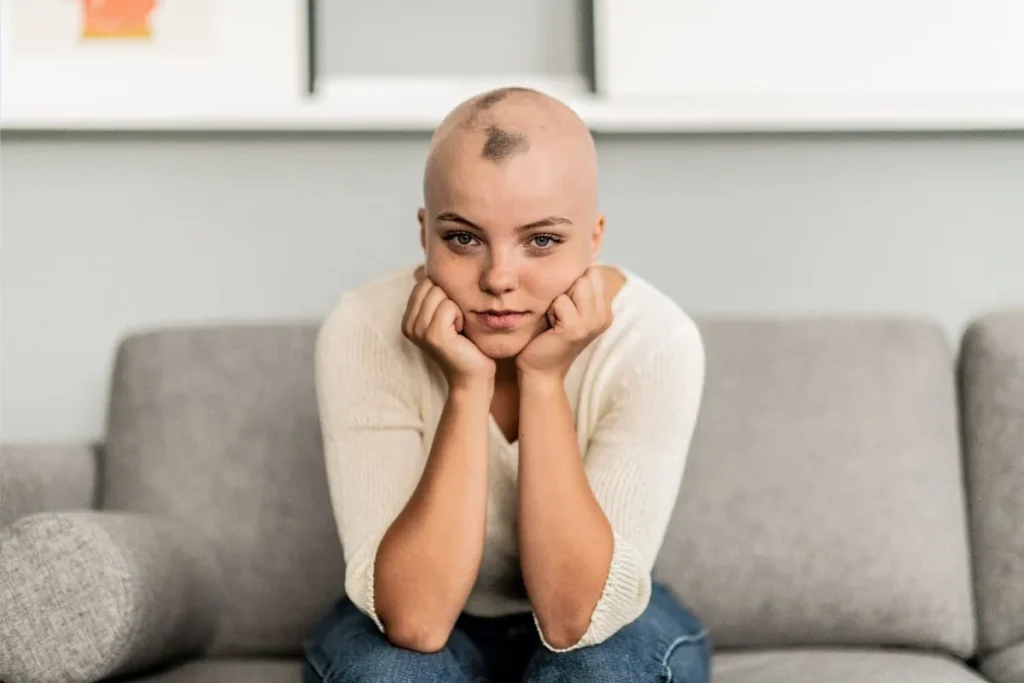
Spotting alopecia areata in kids needs a sharp eye for early signs. Parents should watch for hair changes closely. Catching it early can help manage the condition better.
Physical Manifestations
The main sign is round or oval bald patches on the scalp. These patches can pop up in a few weeks as hair falls out. They might show up all over the scalp or even on eyebrows or eyelashes.
For more info on alopecia areata, check out KidsHealth. It’s a great place to learn about the condition and its effects.
Progression Patterns
Alopecia areata can change in different ways. Some kids might just have one patch, while others get more. It can even spread to alopecia totalis or alopecia universalis, where all hair falls out.
Differentiating from Other Hair Loss Conditions
It’s important to tell alopecia areata apart from other hair loss causes in kids. A doctor can make a clear diagnosis. They look at the bald patches and other symptoms to figure it out.
Causes of Alopecia Areata in Children
Alopecia areata in children comes from genetics, autoimmunity, and the environment. Knowing these causes helps in treating and supporting kids with the condition.
Genetic Factors
Genetics play a big role in alopecia areata in kids. Kids with family history are more likely to get it. Research found genetic links to the condition.
Autoimmune Connections
Alopecia areata is an autoimmune disease. The immune system attacks hair follicles, causing hair loss. What triggers this is not fully known, but genetics and environment play a part.
Environmental Triggers
What environmental factors cause alopecia areata is not clear. But stress, infections, and chemicals might play a role. Lowering environmental stress can help prevent it.
Age and Gender Considerations
Alopecia areata can happen at any age in kids, but it’s more common after 5. Both boys and girls get it, but girls might have worse cases.
Understanding genetics, autoimmunity, and environment helps in treating and supporting kids with alopecia areata. Parents and doctors can work together to help.
Conclusion: Support and Treatment Approaches
Children with alopecia areata need care that covers their physical and emotional health. Treatment plans often mix corticosteroid injections, immunotherapy, and topical minoxidil. These help grow hair back and fight the autoimmune attack.
Parents and caregivers should team up with doctors to create a treatment plan for their child. This might mean regular visits to a dermatologist to check on progress and change treatments if needed.
Teenagers with alopecia areata face emotional challenges from hair loss. Support groups and counseling can offer a safe place to share feelings. They can also connect with others facing similar issues.
Dealing with alopecia in kids requires a mix of medical care, emotional support, and lifestyle changes. A caring environment and professional advice help families cope with alopecia areata.
FAQ
What is alopecia areata in children?
Alopecia areata is an autoimmune condition. It causes hair loss in children. The immune system attacks and destroys healthy hair follicles.
At what age can alopecia areata start in children?
About 60% of people with alopecia areata get their first hair loss patch before 20. It can also start in infants and toddlers.
What are the early signs of alopecia areata in children?
Early signs include small, round patches of hair loss. These patches can be on the scalp or other body areas. They might be smooth or have a few broken-off hairs.
How common is alopecia areata in children?
Pediatric alopecia areata is found in 0.11% of children. There’s been a doubling trend in recent studies.
Are boys or girls more likely to develop alopecia areata?
Research shows the incidence of alopecia areata can differ between boys and girls. But it affects both genders.
What are the available treatments for alopecia areata in children?
Treatments include medications to help hair grow back and reduce the autoimmune response. It’s important to see a doctor for the right diagnosis and treatment.
Can alopecia areata in children be cured?
There’s no sure cure, but treatments can manage the condition. They can help hair grow back and lessen hair loss episodes.
How can parents support children with alopecia areata?
Parents can offer emotional support and help their child cope. They should also work with healthcare professionals to find an effective treatment plan.
References
https://wimpoleclinic.com/blog/how-to-fix-a-messed-up-hairline





