
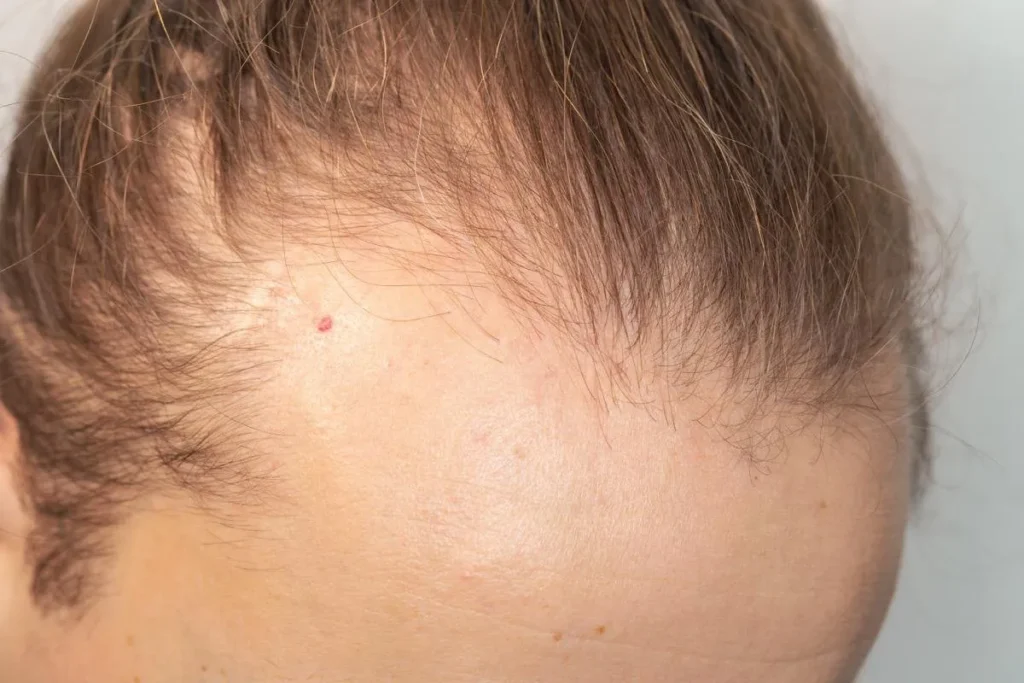
A receding hairline can be worrying, unsure if it’s just aging or something more. Knowing the signs is key to taking the right steps.
Male pattern baldness hits millions worldwide. By 21, 25% of men start losing hair. By 50, 85% of men are affected. If you’re wondering how to tell if your hairline is receding, you’re not alone.
Spotting signs of a receding hairline is the first step to dealing with it. We’ll look at what to watch for in this section.
Key Takeaways
Identify the signs of a receding hairline
Understand the prevalence of male pattern baldness
Learn how to determine if your hairline is receding
Discover the importance of early detection
Explore the available options for addressing hair loss
Understanding Hair Loss: Statistics and Facts
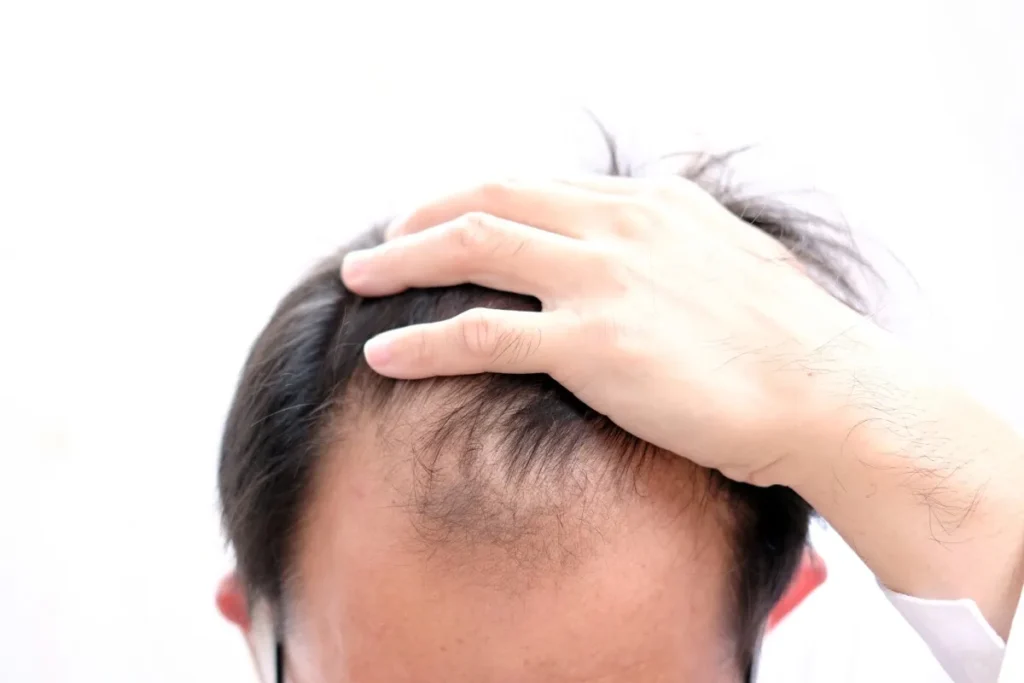
Hair loss is a big issue that affects many people. It’s not just about looks; it’s about health too. Knowing the facts can help us understand why it happens.
Prevalence of Hair Loss Across Age Groups
Men are more likely to lose their hair than women. As men get older, the chance of losing hair increases. About 50 million men and 30 million women in the U.S. have androgenetic alopecia. This is when hair thins on the scalp, leading to a receding hairline or bald spots.
Young people might lose hair because of their genes. Older folks might lose it due to aging. Knowing this helps us figure out why hair loss happens.
Normal Hair Shedding vs. Problematic Hair Loss
It’s important to know the difference between normal and excessive hair loss. Losing 50-100 hairs a day is normal. But, if you’re losing more, it might be a problem.
There are many reasons for hair loss, like genes, hormones, or health issues. Finding out why you’re losing hair is key to fixing it.
Learning about hair loss helps us spot the signs early. This way, we can take action to stop it.
Identifying the Early Signs of a Receding Hairline
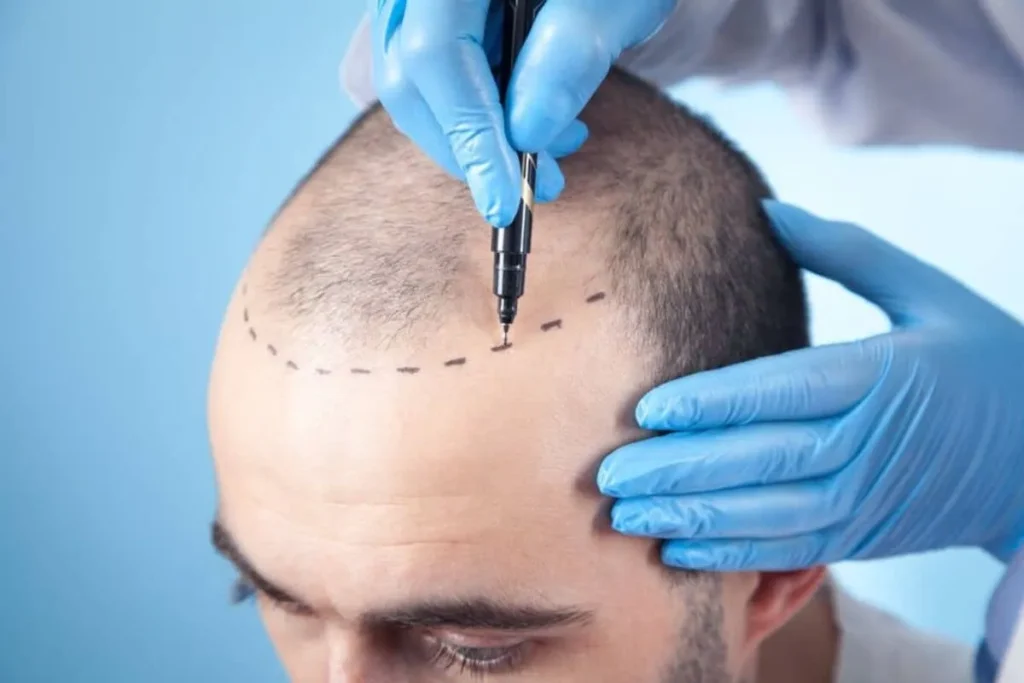
The early signs of a receding hairline can be subtle. But knowing them is the first step to tackle the problem. Changes in the hairline, around the temples and forehead, are often the first signs.
Temporal and Frontal Hairline Changes
One of the first signs is thinning at the temples and forehead. This makes the forehead look bigger. Temporal hairline recession is hair loss around the temples. Frontal hairline recession is hair loss along the front hairline.
The M-Shaped Pattern Development
A sign of a receding hairline is the M-shaped hairline. It happens when the hairline recedes more at the temples. This creates an ‘M’ or ‘V’ shape. It’s common in men but can also happen in women.
Measuring Hairline Recession
To check if your hairline is receding, measure the distance to your eyebrows or nose tip. If this distance grows, your hairline might be receding. For more info, visit Wimpole Clinic’s guide.
Spotting a receding hairline early means watching for changes in your hairline and hair health. Catching these signs early lets you look into treatments to manage or even reverse it.
Maturing Hairline vs. Early Receding Hairline
Telling a maturing hairline from an early receding one can be tricky. But it’s key to tackle hair loss worries. A maturing hairline is a natural shift as the “juvenile” hairline of youth turns into an adult one. This change usually happens between late teens and early twenties.
Natural Hairline Maturation Process (Ages 17-27)
The hairline may slightly recede during maturation, but it usually stops by late twenties. This stabilization marks a maturing hairline, unlike a receding one that keeps moving back. Knowing this difference helps in choosing the right hair care.
Key Differences in Progression and Pattern
A maturing hairline follows a set pattern and stops, while a receding one moves unevenly and keeps going back. The progression of a receding hairline can be affected by genetics, hormones, and lifestyle.
Miniaturization of Hair Follicles
With a receding hairline, hair follicles shrink, making hairs thinner and shorter. This is a sign of hair loss. But, a maturing hairline doesn’t see this shrinkage.
Understanding the difference between a maturing and a receding hairline helps tackle hair loss. Whether it’s a gentle hair care routine or medical treatments, knowing the signs empowers you to manage your hair health.
Conclusion: Causes and Next Steps
A receding hairline can be a worrying issue. But knowing what causes it is the first step to fixing it. Male pattern baldness, caused by age, hormones, and genetics, is the main reason for receding hairlines in men. People with a family history of baldness are 5-6 times more likely to lose their hair.
It’s important to know what a receding hairline looks like and why it happens. By spotting early signs and understanding the difference between a normal and receding hairline, you can find the right treatment.
Whether it’s genetics or hormonal changes that cause hair loss, knowing the cause is key. Taking action to address the issue can lead to many solutions. This can help restore your hairline and boost your confidence.
FAQ
How do I know if my hairline is receding?
Look for changes in your hairline, like recession at the sides and front. An M-shaped pattern is another sign. Measure the distance from your hairline to a fixed point on your forehead to track changes.
What are the early signs of a receding hairline?
Early signs include changes in your hairline and an M-shaped pattern. You might also notice thinning and an uneven hairline.
How can I tell if my hairline is receding or just maturing?
A maturing hairline is natural, happening between late teens and early twenties. A receding hairline shows progressive thinning and an M-shaped pattern.
What does a receding hairline look like?
A receding hairline can look different. It might have a temporal or frontal recession or an M-shaped pattern. The hairline may appear uneven, with visible thinning or balding.
Is hair loss a normal part of aging?
Some hair loss is normal with age. But, excessive or patterned hair loss might mean a receding hairline. It’s important to know the difference between normal shedding and problematic loss.
What causes a receding hairline?
A receding hairline can come from genetics, hormones, and environment. Knowing the causes helps find the right treatment.
Can I prevent a receding hairline?
Some factors are unavoidable, but you can promote healthy hair growth. This reduces the risk of excessive hair loss.
How can I address a receding hairline?
Recognize early signs and understand causes. This is the first step. You might explore treatments or make lifestyle changes for healthy hair growth.
What are the signs that my hairline is receding?
Signs include changes in your hairline, like recession at the sides and front. An M-shaped pattern and progressive thinning are also signs.
How do I measure hairline recession?
Measure the distance from your hairline to a fixed point on your forehead. This helps track changes over time.
References
National Center for Biotechnology Information. Evidence-Based Medical Insight. Retrieved from https://pubmed.ncbi.nlm.nih.gov/14819896/





