
Alopecia barbae is a condition that can cause sudden, circular bald patches in the beard area. It leaves men feeling anxious about their appearance and self-confidence. This autoimmune condition affects about 28% of alopecia areata cases.
Understanding the causes and symptoms of alopecia barbae is key to finding effective beard hair loss remedies. While there is no permanent cure, modern medical treatments can help restore your beard.
Treating alopecia barbae effectively is essential to regain your confidence and achieve a fuller beard.
Key Takeaways
Understanding alopecia barbae is key to effective treatment
Alopecia barbae affects approximately 28% of alopecia areata cases
Modern medical treatments can help restore your beard
Treating alopecia barbae can help regain confidence
Effective treatment can lead to a fuller beard
Understanding Facial Hair Loss Disease and Its Impact
Beard baldness, or alopecia barbae, is more than a beauty issue. It’s a condition that can really hurt a person’s self-confidence. It shows up as patches of hair loss in the beard, making many men worry about how they look and feel.
What is Alopecia Barbae?
Alopecia barbae is a type of alopecia areata. It’s an autoimmune disease where the body attacks hair follicles, causing hair loss. It mainly affects the beard, leading to bald spots or even complete loss of hair. Knowing about alopecia barbae is key, as it can really affect a person’s mood.
Symptoms and Patterns of Hair Loss
The signs of alopecia barbae can differ for everyone. Some might just have one bald spot, while others could lose hair in many places. In bad cases, it can even lead to losing all beard hair. Spotting the signs early can help find the right treatment and manage the condition better.
The Autoimmune Connection
The exact reason for alopecia barbae isn’t known yet, but it’s thought to be an autoimmune issue. This means the body’s immune system attacks hair follicles, causing hair loss. Stress, genetics, and other autoimmune diseases might also play a part. Knowing this helps in finding the right treatments.
Understanding alopecia barbae’s causes and symptoms helps people find the right treatment. It’s important to tackle this condition with both medical knowledge and emotional support.
Effective Treatment Options for Beard Baldness
[Add image here]
If you’re losing hair in your beard, there are ways to get it back. Beard baldness, or alopecia barbae, can be treated with different methods. These include medical and therapeutic approaches.
Medical Treatments with Proven Results
Many medical treatments can help with beard baldness. Here are some:
Corticosteroid Creams: These creams are applied to the affected area. They reduce inflammation and help hair grow.
JAK Inhibitors: Medications like tofacitinib work by stopping the immune system from attacking hair follicles.
Immunosuppressants: These drugs can be used to lessen the immune system’s effect on beard hair.
Emerging Therapies for Alopecia Barbae
New treatments are also being explored for beard baldness:
Topical Tofacitinib: This is a topical version of a JAK inhibitor. It’s more targeted and might have fewer side effects.
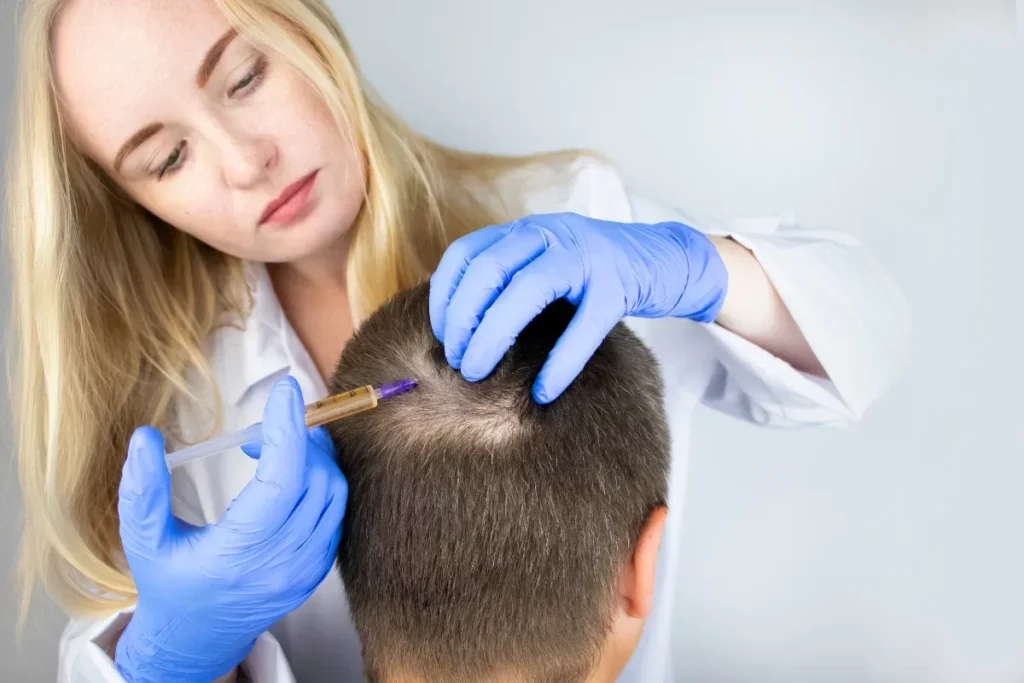
Platelet-rich Plasma (PRP) Therapy: This involves injecting platelet-rich plasma into the scalp or beard. It aims to stimulate hair growth.
Seeing a dermatologist is key to finding the right treatment for beard baldness. They can guide you through the options and pick the best one for you.
Conclusion: When to Seek Professional Help
Dealing with a bald patch in your beard or mustache can be tough. But, getting help from a professional is key to managing it well. If you’re losing hair, seeing a dermatologist is a must. They can find out why and help you treat it.
Alopecia areata on your beard can be tough to handle. Getting a proper diagnosis is important to rule out other hair loss causes. Treatments like corticosteroids and immunotherapy can help your hair grow back. For more on alopecia barbae and its treatment, check out elithair.co.uk.
Don’t let hair loss in your mustache or beard get you down. Getting professional help can lead to the best treatments and help you regain your hair. Start your journey to a radiant glow and own your beauty.
FAQ
What is alopecia barbae, and how does it affect the beard?
Alopecia barbae is an autoimmune condition that causes hair loss in the beard area. It can lead to bald spots or patches, changing the beard’s look.
What are the symptoms of alopecia barbae?
The main symptom is hair loss in the beard area, causing bald spots or patches. It can also cause redness, itching, or inflammation.
Is alopecia barbae a common condition?
Alopecia barbae is rare but can affect anyone with a beard. It’s more common in men and often linked to other autoimmune disorders.
What causes alopecia barbae?
It’s an autoimmune condition where the immune system attacks hair follicles, leading to hair loss. The exact causes are unknown but thought to involve genetics and environment.
Can alopecia barbae be treated?
Yes, it can be treated with medical options like corticosteroids, minoxidil, and anthralin. New treatments like low-level laser therapy (LLLT) and platelet-rich plasma (PRP) therapy also show promise.
How effective are treatments for alopecia barbae?
Treatment success varies by individual and condition severity. Medical treatments can promote hair growth, reduce inflammation, and slow hair loss. A dermatologist can help find the best treatment.
Can I prevent alopecia barbae?
There’s no known prevention for alopecia barbae. But, a healthy lifestyle, stress management, and avoiding harsh chemicals may lower the risk.
How can I manage beard baldness?
Managing beard baldness requires medical treatments, lifestyle changes, and self-care. A dermatologist can guide the best approach for your case.
Is alopecia barbae related to other health conditions?
Alopecia barbae often goes with other autoimmune disorders like alopecia areata, thyroid disease, and vitiligo. People with alopecia barbae should watch for these conditions.





