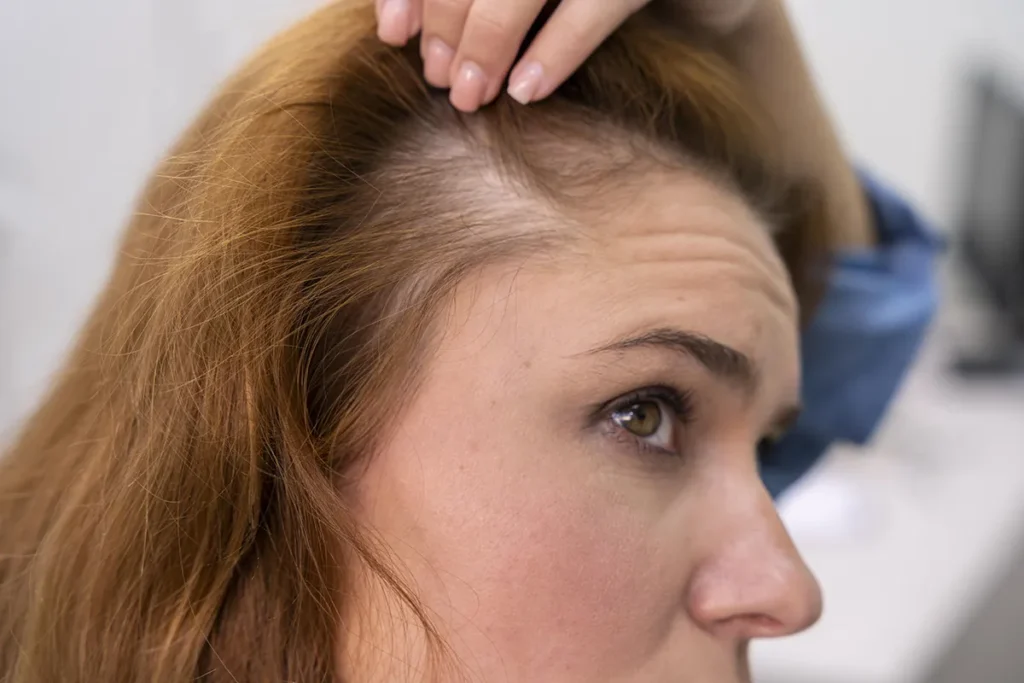
Women going through menopause often face the problem of hair thinning and loss. Over half of them experience this, mainly because of big changes in hormones. The drop in estrogen is a big reason for this.
GoldCity Center’s experts focus on solving this issue with proven methods. They make plans that fit each woman’s needs during menopause. These plans use the newest treatments and medicines to help hair grow back and boost confidence.
Key Takeaways
More than half of postmenopausal women experience hair thinning and loss.
Hormonal changes, like the drop in estrogen, lead to hair loss.
GoldCity Center offers evidence-based treatments for menopause-related hair loss.
Personalized treatment plans include advanced medicines and therapies.
Expert care aims to help hair grow back and boost confidence.
Understanding Female Hair Loss After Menopause
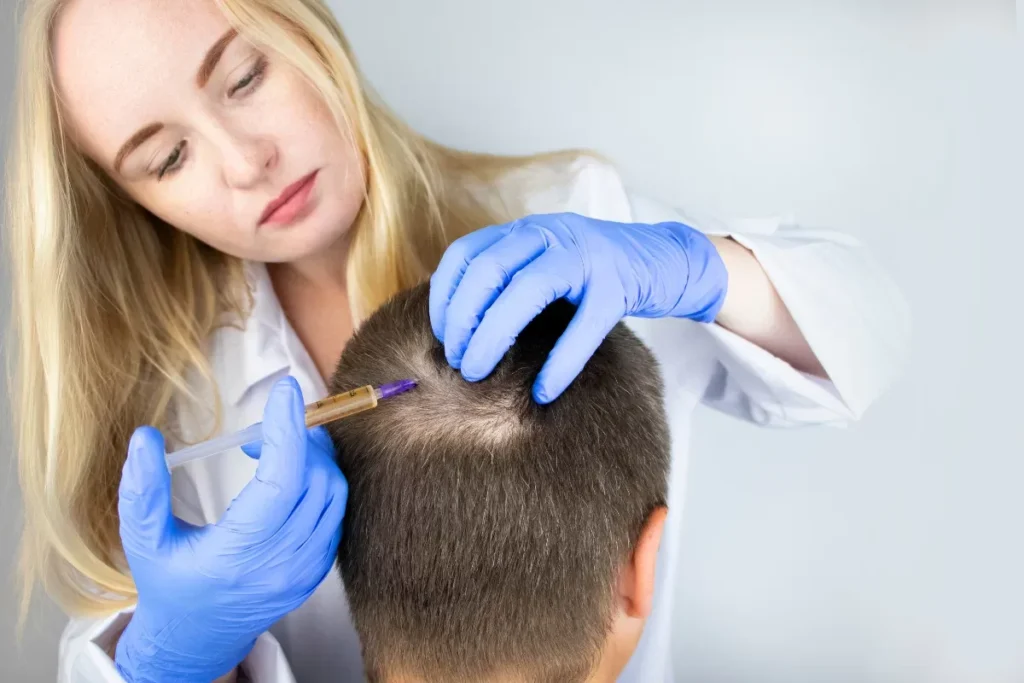
Hair loss after menopause is a common worry for many women. It can affect their self-esteem and overall well-being. As women age, the natural decrease in estrogen levels can change hair growth patterns.
The Prevalence and Statistics
About 52.2% of women aged 50-65 face female pattern hair loss, also known as androgenetic alopecia. This condition causes hair to thin gradually, mainly on the scalp.
For more information on menopause and hair loss, visit
Hormonal Changes and Their Impact on Hair Follicles
The decline in estrogen during menopause leads to more androgens. This can cause hair follicles to shrink. As a result, hairs become thinner, shorter, and stay in the resting phase longer, leading to hair loss.
Hormonal fluctuations are key in female pattern hair loss. Knowing these changes is important for effective treatment.
Identifying Different Types of Menopausal Hair Loss
Women may experience different types of hair loss during menopause, including:
Female pattern hair loss (androgenetic alopecia)
Alopecia areata, an autoimmune condition causing patchy hair loss
Telogen effluvium, a condition characterized by excessive hair shedding
Knowing the specific type of hair loss is key to finding the right treatment.
Medically Proven Treatments for Menopausal Hair Loss

Restoring hair health during menopause is possible with the right treatments. These options can boost confidence. Understanding these treatments is key for women going through this life change.
Topical Minoxidil (5% Solution)
Topical minoxidil is known for treating hair loss, including menopause-related. The 5% foam solution boosts blood flow to the scalp. This can lead to thicker, denser hair.
Ketoconazole Shampoo Benefits
Ketoconazole shampoo fights menopausal hair loss. It reduces scalp inflammation and sensitivity to hormones. Regular use can create a healthier scalp, promoting hair growth.
Prescription Options and Hormone Therapy
Some women might need prescription options and hormone therapy for hair loss. Hormone therapy can balance hormonal changes, possibly reducing hair loss. Prescription meds target specific hair loss causes, providing a personalized treatment.
It’s vital to talk to a healthcare professional about the best treatment. Each woman’s needs are different. Exploring these treatments can help restore hair health and confidence during menopause.
Lifestyle and Natural Approaches to Hair Regrowth
Women going through menopause face hair challenges. A holistic hair care approach can change the game for hair regrowth. This life stage brings big changes that can harm hair health. But, there are natural and lifestyle ways to boost hair regrowth.
Essential Nutrients for Hair Health
Eating a balanced diet with key nutrients is key for healthy hair. Biotin, a B-complex vitamin, is vital for hair growth. It strengthens hair follicles and improves hair structure. Foods like eggs, nuts, and whole grains are rich in biotin.
Saw palmetto and pumpkin seed oil also support hair health. They block DHT, a hormone that can cause hair loss.
Adding these nutrients to your diet is easy. You can take supplements or eat more foods like salmon and walnuts. These foods nourish your scalp, helping your hair grow healthier. For more tips on natural hair regrowth, check out Utah Hair MD.
Scalp Care and Massage Techniques
Scalp care is key for hair regrowth. Regular scalp massages boost blood flow to hair follicles, encouraging growth. Use gentle, circular motions with your fingertips to massage your scalp daily.
Choosing the right scalp care products is also important. Look for shampoos and conditioners without harsh chemicals. Ingredients like tea tree oil and peppermint oil can soothe the scalp and foster hair growth.
When to Consult a Dermatologist
Natural methods and lifestyle changes can help a lot. But, sometimes, you need a dermatologist. If you lose a lot of hair or see it thinning a lot, see a dermatologist. They can offer advice and treatments for your hair loss.
Before seeing a dermatologist, keep a record of your hair care, diet, and supplements. This info helps your dermatologist understand your situation and suggest the best treatments.
Conclusion
Women going through menopause can find their inner light and beauty. The journey to grow hair back is complex. It involves medical treatments and changes in lifestyle.
Understanding how hormones affect hair follicles is key. Women can start growing their hair back by trying treatments like topical minoxidil and ketoconazole shampoo. Prescription drugs and hormone therapy also help with hair loss.
Women can make their beauty routine more complete. Adding essential nutrients, scalp care, and massage can make a big difference. This approach helps women look and feel their best.
With the right treatments and care, women can shine with a radiant glow. They can celebrate their unique beauty and growth.
FAQ
What is the best treatment for female hair loss after menopause?
The best treatment for female hair loss after menopause combines medical treatments and lifestyle changes. Topical minoxidil is a proven treatment. Eating a balanced diet rich in nutrients for hair health is also key.
Does minoxidil work for women experiencing hair loss after menopause?
Yes, minoxidil is proven to help women with hair loss after menopause. It stimulates hair growth and slows down hair loss.
What are the benefits of using ketoconazole shampoo for menopausal hair loss?
Ketoconazole shampoo helps reduce hair loss and promote growth. It blocks DHT, a hormone that causes hair loss.
Are there any prescription options available for treating female hair loss after menopause?
Yes, there are prescription treatments like hormone therapy and other medications. They help with hormonal imbalances and promote hair growth.
What lifestyle changes can help promote hair regrowth after menopause?
Eating a balanced diet and practicing good scalp care are important. Massage techniques also help promote hair regrowth.
When should I consult a dermatologist for my menopausal hair loss?
See a dermatologist if you have significant hair loss or thinning. They can check for underlying conditions and find the best treatment for you.
Can hormone therapy help with hair loss after menopause?
Hormone therapy can help with hair loss by balancing hormones. But, talk to a healthcare professional to find the right approach for you.
Are there any natural remedies that can help with female hair loss after menopause?
While natural remedies aren’t guaranteed, nutrients like biotin, vitamin D, and omega-3 fatty acids help hair health. Scalp massage also stimulates hair growth.
References
National Center for Biotechnology Information. Evidence-Based Medical Insight. Retrieved from https://pubmed.ncbi.nlm.nih.gov/14614210/