
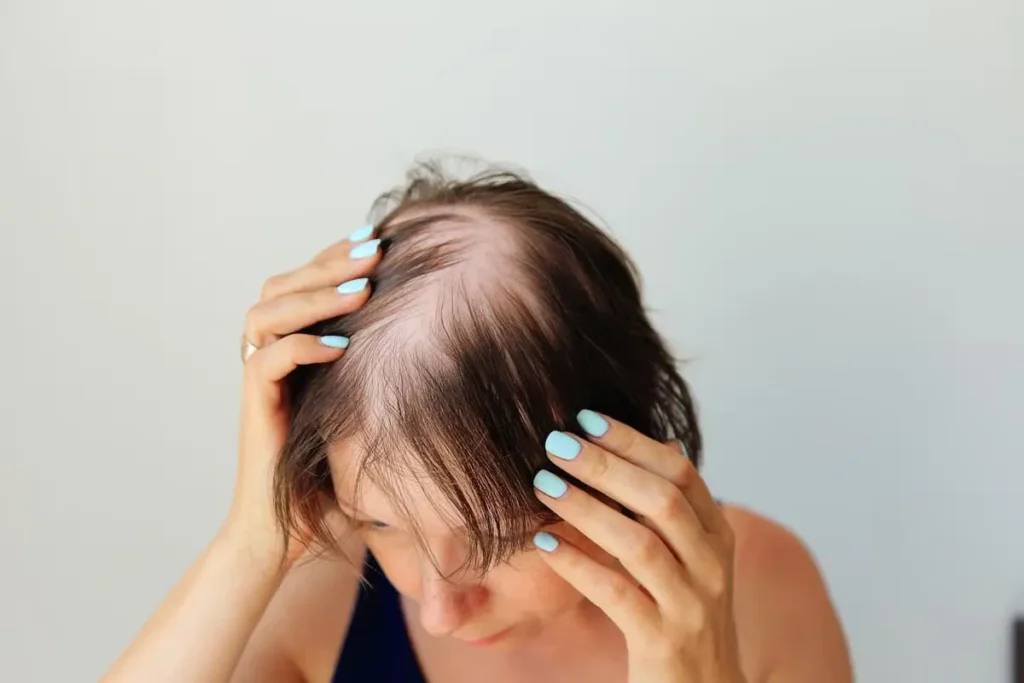
Hair thinning in your 20s can be upsetting, but you’re not alone. About 12 percent of women see hair loss before they’re 29. This shows it’s more common than people think. Things like genetics, hormonal shifts, and lifestyle play a part.
Knowing why your hair is thinning is the first step to fixing it. You can try changing your lifestyle or looking into medical options. There are many ways to get your hair back to being full and healthy.
Key Takeaways
Hair thinning affects a significant number of young women.
Genetics and hormonal changes are common causes.
Lifestyle adjustments can help mitigate hair loss.
Medical treatments are available for hair thinning.
Understanding the cause is key to finding a solution.
Understanding Hair Thinning in Young Women
[Add image here]
More young women are experiencing hair thinning. It’s important to know the causes and how it differs from male pattern baldness. Hair thinning in young women is complex, influenced by genetics, hormonal changes, and lifestyle.
Prevalence and Statistics
Hair thinning among young women is more common than many think. Studies show a significant number of women in their 20s and 30s face hair loss. Female pattern baldness in the 20s is widespread, affecting many young women globally.
Medical Expert’s study shows young hair thinning is often ignored until it’s a big problem. It’s not just about looks; it also affects young women’s emotions and mental health.
How Female Hair Thinning Differs from Male Pattern Baldness
Men and women can both experience hair thinning, but the patterns and causes differ. Female hair loss is often diffuse thinning across the scalp, unlike the ‘M-shaped’ baldness in men.
Key differences include:
Diffuse thinning vs. localized bald spots
Hormonal influences, mainly androgens in men
Genetic predisposition, which can vary between genders
Knowing these differences is key to finding the right treatment. Young women with hair thinning should see a dermatologist to find the cause and treatment.
Why Female Losing Hair in 20s Occurs
[Add image here]
Female hair loss in the 20s is caused by genetics, lifestyle, and health issues. Knowing the reasons is key to solving this problem.
Genetic Predisposition and Family History
Genetics greatly affect hair thinning in young women. If your family has hair loss, you might too. Androgenetic alopecia, or female pattern hair loss, often starts in the 20s.
Family history of hair loss
Genetic sensitivity to dihydrotestosterone (DHT)
Inherited traits from either parent
Stress and Cortisol’s Effect on Hair Follicles
Stress is a big factor in hair loss for young women. High cortisol levels can mess with hair growth. Chronic stress can make hair follicles stop growing, causing thinning.
Medical Expert, Trichologist
Hormonal Fluctuations from Birth Control and Pregnancy
Hormonal changes from birth control and pregnancy can affect hair. Birth control can cause hormonal imbalances. Pregnancy changes hair growth due to estrogen level changes.
Changes in estrogen and progesterone levels
Hormonal adjustments post-pregnancy
Impact of birth control on hair growth
Medical Conditions like PCOS and Thyroid Disorders
Medical issues like PCOS and thyroid problems can also cause hair loss. These conditions often lead to hormonal imbalances that affect hair growth.
Women with hair loss should see a doctor to find the cause and get treatment. This is the first step to getting their hair and confidence back.
Effective Solutions and Prevention Strategies
Dealing with hair thinning in your 20s needs a mix of medical treatments, better nutrition, and lifestyle changes. Young women should know about the different ways to fight this problem.
Medical Treatments and Prescription Options
For many, medical treatments are the first step against hair thinning. Minoxidil is a top choice, approved by the FDA, to grow hair and slow loss. Finasteride is another option, but it’s less common for women due to side effects.
Seeing a doctor or dermatologist is key to find the right treatment. They can spot the cause and suggest the best therapy.
Nutrition and Supplements for Hair Health
Eating well is key for healthy hair. Foods rich in iron, zinc, and biotin help hair grow. Biotin and vitamin B supplements can also help, but talk to a doctor first.
Scalp Care and Hair Products
Good scalp care is important for hair growth. Use gentle, sulfate-free shampoos and conditioners. Avoid too much heat styling and use protective products to prevent damage.
Lifestyle Modifications to Reduce Hair Loss
Changing your lifestyle can help your hair. Lower stress with yoga or meditation, quit smoking, and keep a healthy weight. These steps can reduce hair thinning.
By combining medical treatments, better nutrition, scalp care, and a healthy lifestyle, young women can fight hair thinning and keep their hair healthy.
Conclusion
Losing hair in your early 20s can be really upsetting. Many young women wonder why they’re going bald at 20. We’ve learned that hair thinning in young women is complex. It’s influenced by genetics, stress, hormonal changes, and medical conditions.
Early detection and treatment can really help. They can stop the thinning and even make your hair thicker again. By understanding the causes and finding effective solutions, you can improve your hair health. This way, you can have a full, radiant head of hair.
Start by making your hair care routine better. Use medical treatments, eat right, and take care of your scalp. A holistic approach to hair health can change your life. It lets you feel confident and beautiful.
Your journey to a full head of hair starts now. With the right steps and self-care, you can achieve lasting beauty. Your transformation will grow with you.
FAQ
Why is my hair thinning in my 20s?
Hair thinning in your 20s can be caused by many factors. These include genetics, stress, hormonal changes, and certain medical conditions. Knowing the cause is key to solving the problem.
Is hair loss in young women common?
Yes, hair loss in young women is more common than you might think. Many women experience hair thinning or loss in their 20s and 30s. This is often due to genetics, hormones, and lifestyle.
How does female hair thinning differ from male pattern baldness?
Female hair thinning is different from male pattern baldness. Women tend to have diffuse thinning across the scalp. This is because of hormonal and genetic differences.
Can stress really cause hair loss?
Yes, stress can cause hair loss. Stress increases cortisol, a hormone that disrupts hair growth. This leads to excessive shedding and thinning.
Are there any effective treatments for hair thinning in young women?
Yes, there are many effective treatments. These include medical treatments like minoxidil, nutritional supplements like biotin and vitamin B, and lifestyle changes. Reducing stress and improving scalp care are also important.
Can hormonal changes from birth control or pregnancy cause hair loss?
Yes, hormonal changes from birth control or pregnancy can cause hair loss. Changes in estrogen levels can disrupt the hair growth cycle. This leads to excessive shedding or thinning.
What role does nutrition play in preventing hair loss?
Nutrition is key to maintaining healthy hair. A diet rich in iron, zinc, and biotin promotes hair growth. It also reduces the risk of thinning.
Are there any specific hair care products that can help with hair thinning?
Yes, using gentle, sulfate-free shampoos and conditioners is helpful. Products with keratin and saw palmetto nourish and strengthen hair. This reduces the appearance of thinning.
Can I prevent hair loss if I have a family history of it?
While genetics play a role, you can take steps to reduce your risk. A healthy lifestyle, managing stress, and gentle hair care can help. These actions can mitigate genetic predisposition.
References
National Center for Biotechnology Information. Evidence-Based Medical Insight. Retrieved from https://www.ncbi.nlm.nih.gov/pmc/articles/PMC4606321/





