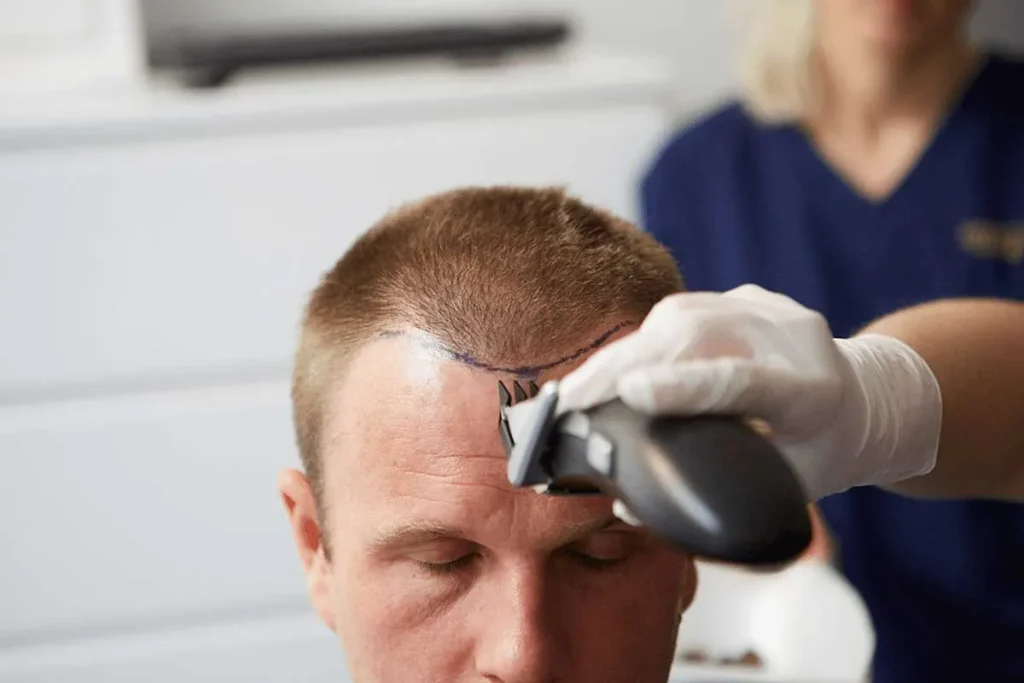
Choosing FUE hair transplant surgery is a big step for those dealing with hair loss. Thanks to modern methods and detailed aftercare plans, the recovery process is manageable and predictable. Knowing the whole recovery journey helps patients make better choices.
Most people can go back to their normal life in seven to ten days after surgery. It’s important to stick to the post-operative care plan to avoid problems and help healing.
By following the right aftercare steps, patients can have a successful recovery and optimal results from their FUE hair transplant. This part will explain what to expect and how to have a smooth recovery. It aims to guide patients through the process confidently and easily.
Key Takeaways
Understand the complete recovery timeline after FUE hair transplant surgery.
Follow specific post-operative care instructions for optimal healing.
Most patients return to daily routines within 7-10 days post-surgery.
Modern surgical techniques and aftercare protocols make recovery manageable.
Proper aftercare minimizes complications and promotes successful results.
Understanding FUE Hair Transplant Procedure
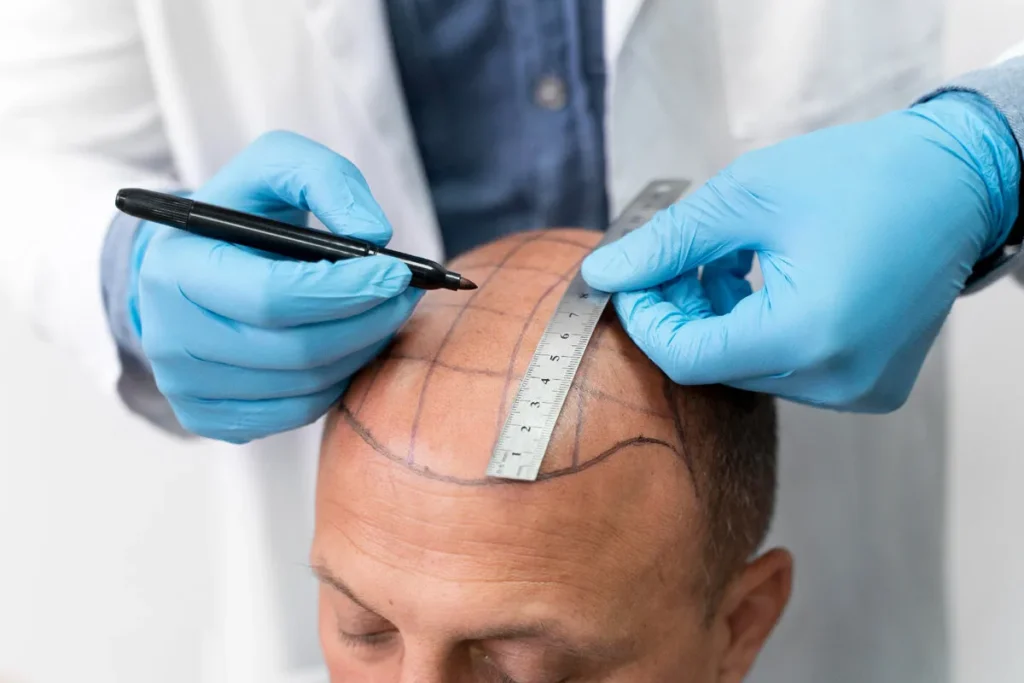
FUE, or Follicular Unit Extraction, is a modern hair transplant method. It’s known for being less invasive and providing better results than older techniques.
What is Follicular Unit Extraction?
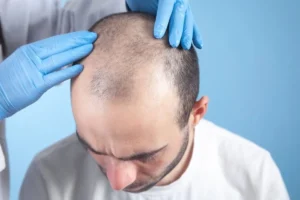
Follicular Unit Extraction is a hair transplant technique. It takes individual follicles from the donor area. A special tool is used, leaving tiny scars. These follicles are then moved to bald spots, helping hair grow naturally.
For more details on FUE, check out the International Society of Hair Restoration. Learn from experts in the field.
FUE vs. Traditional FUT Methods
FUE is different from the traditional FUT (Follicular Unit Transplantation) method. FUT takes a strip of scalp, leaving a linear scar and needing stitches. This makes recovery longer. FUE, on the other hand, doesn’t remove a strip and doesn’t need stitches. This means faster healing and less pain.
FUE leaves minimal scarring, making it ideal for those who prefer shorter hair.
The recovery time is significantly reduced compared to FUT.
FUE allows for a more natural-looking hairline.
Benefits of Choosing FUE
The benefits of FUE are many, making it a top choice for hair transplant surgery. Key advantages include:
Minimally invasive with less discomfort.
Reduced scarring and faster recovery.
More natural-looking results due to the ability to harvest and transplant individual follicular units.
Choosing FUE means a luxury transformation for your hair. You get a fuller head of hair with little downtime.
Follicular Unit Extraction Recovery Timeline
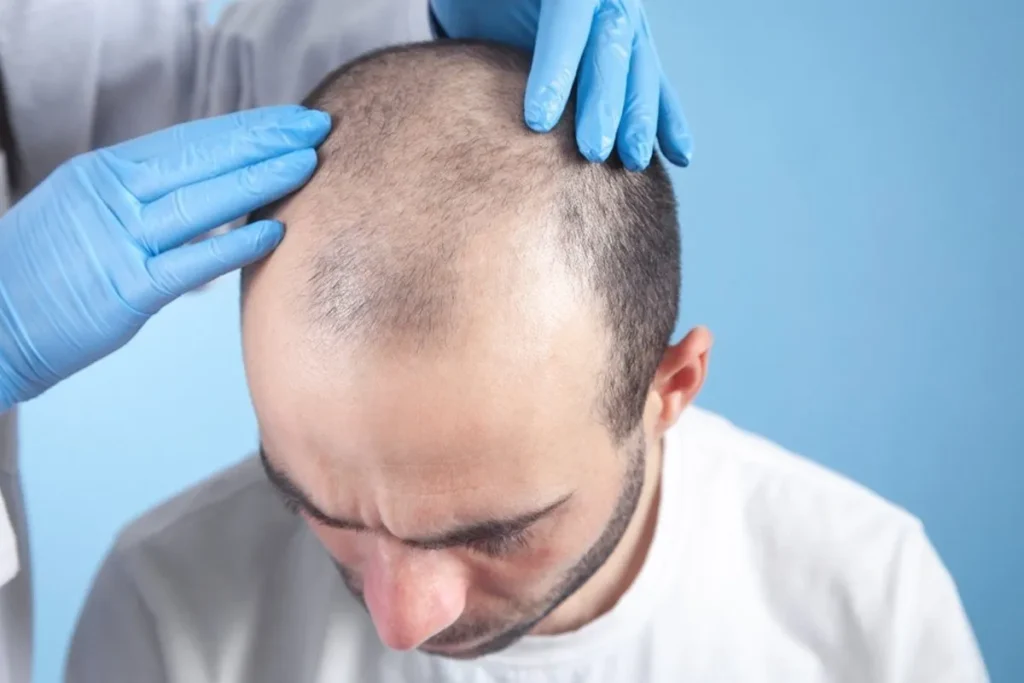
Knowing the recovery timeline after FUE hair transplant surgery is key. It helps patients manage their expectations and heal smoothly. The FUE recovery process has its own timeline, and knowing it can greatly affect the outcome.
Immediate Post-Op Period (Days 1-7)
The first days after FUE hair transplant surgery are very important. Patients might feel mild discomfort, swelling, and scabbing. These symptoms are treated with prescribed meds and care instructions.
Key aspects of the immediate post-op period include:
Mild swelling and redness
Scabbing around the transplanted areas
Mild discomfort managed with medication
The Transition Phase (Weeks 2-4)
As the swelling goes down, the healing starts. By the second week, most notice less soreness, even with scabs.
Long-Term Recovery (Months 1-6)
The long-term recovery phase sees the growth of new hair. Patients will see big improvements in hair density and look over the next few months.
Key milestones in long-term recovery include:
Initial hair shedding (weeks 2-4)
New hair growth begins (months 3-4)
Noticeable improvements in hair density (months 5-6)
Understanding the FUE recovery timeline helps patients navigate the hair transplant process better. Following post-op instructions and attending follow-up appointments are key for a successful recovery.
Conclusion: Keys to Successful Recovery
A successful FUE hair transplant recovery needs careful attention to post-operative instructions. It also requires a good understanding of the recovery timeline. By following hair transplant aftercare tips, patients can improve their fue recovery and get the best fue hair transplant results.
Initial regrowth starts around 3-4 months after the transplant. By the six-month mark, about 80% of grafts show visible growth. To ensure a successful fue recovery, it’s key to be patient and follow the recommended aftercare routine. This includes gentle hair washing and proper scalp care.
By combining proper aftercare with a deep understanding of the FUE recovery process, patients can achieve natural, luxurious hair growth. With the right guidance and support, individuals can get a radiant, confident look. This look enhances their overall beauty and well-being.
FAQ
What is FUE Hair Transplant?
FUE (Follicular Unit Extraction) hair transplant is a surgery. It moves hair follicles from one area to another. This helps grow more hair and makes your head fuller.
What is the FUE Procedure?
The FUE procedure has several steps. First, the donor area is prepared. Then, hair follicles are extracted and moved to the recipient area. It’s all done under local anesthesia for comfort.
How Long Does it Take to Recover from FUE Hair Transplant Surgery?
Recovery from FUE hair transplant surgery varies. Most people can go back to normal in a few days to a week. Full recovery takes several weeks to months.
What are the Benefits of FUE Hair Transplant?
FUE hair transplant has many benefits. It leaves little to no scar, heals quickly, and looks very natural. It’s a great choice for those wanting to restore their hair.
What is the Definition of FUE in Hair Transplant?
FUE stands for Follicular Unit Extraction. It’s a hair transplant method. It moves individual hair follicles from one area to another to grow more hair.
What to Expect After FUE Hair Transplant?
After FUE hair transplant, you might see swelling, redness, and scabbing. These usually go away in a few days to a week. Then, new hair starts growing.
How to Care for My Hair After FUE Transplant?
To get the best results, follow the aftercare routine. Wash your hair gently, avoid hard activities, and keep your scalp from the sun.
What is the FUE Hair Transplant Process?
The FUE hair transplant process has several stages. It starts with a consultation, then preparing the donor area. Next, follicles are extracted and transplanted. It’s all to get a fuller, natural-looking head of hair.
Is FUE Hair Transplant Painful?
FUE hair transplant is usually painless thanks to local anesthesia. Some might feel mild discomfort or soreness later, though.
How Long Does it Take to See Results from FUE Hair Transplant?
Results from FUE hair transplant show up in several months to a year. The full effect takes time as the transplanted hair grows and matures.
References
National Center for Biotechnology Information. Evidence-Based Medical Insight. Retrieved from https://www.ncbi.nlm.nih.gov/pmc/articles/PMC2956960/