
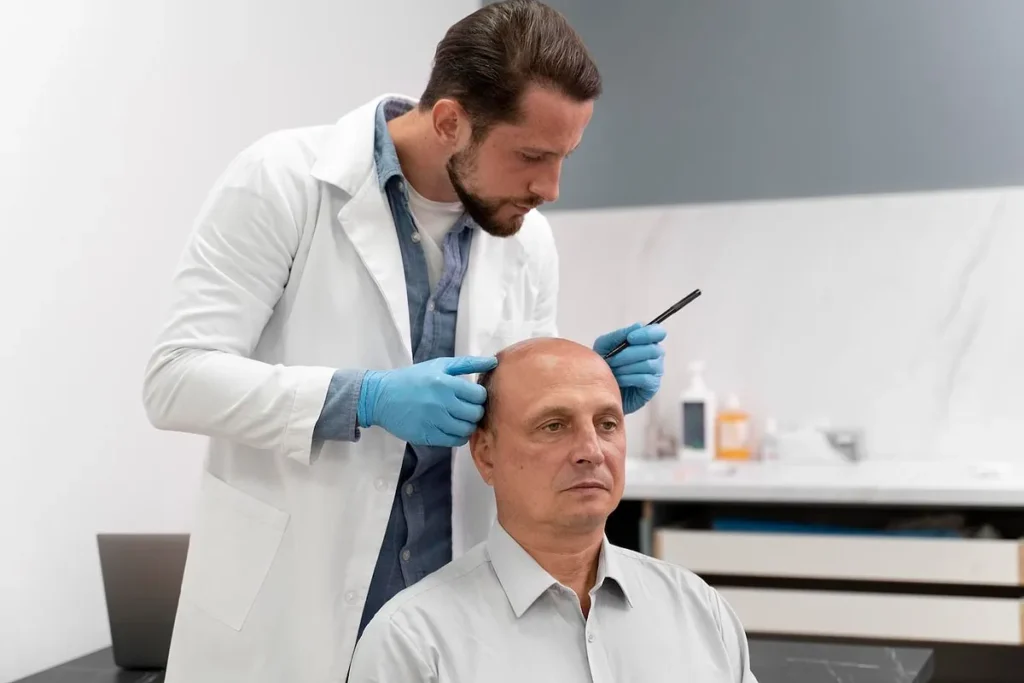
Hair Transplant After 2 Months! Get the shocking truth about shedding and learn the best ways to prepare for amazing growth in the coming weeks.
Two months after a hair restoration procedure, patients feel a range of emotions. They notice changes in their looks. At this point, most people face shock loss. This is when the transplanted follicles fall out because of the surgery.
This shedding is a normal part of healing and doesn’t mean the transplant failed. It shows the grafts are getting ready to grow back. Experts at places like Wimpole Clinic say knowing what to expect helps manage worries.
Key Takeaways
Shock loss is a normal and temporary phase after a hair transplant.
The scalp largely recovers from initial surgical trauma by 2 months.
Transplanted follicles shed before entering a regrowth phase.
Visible results may be minimal at this stage, but patience is advised.
Proper post-operative care is key for healing and future growth.
Understanding the 2-Month Hair Transplant Timeline
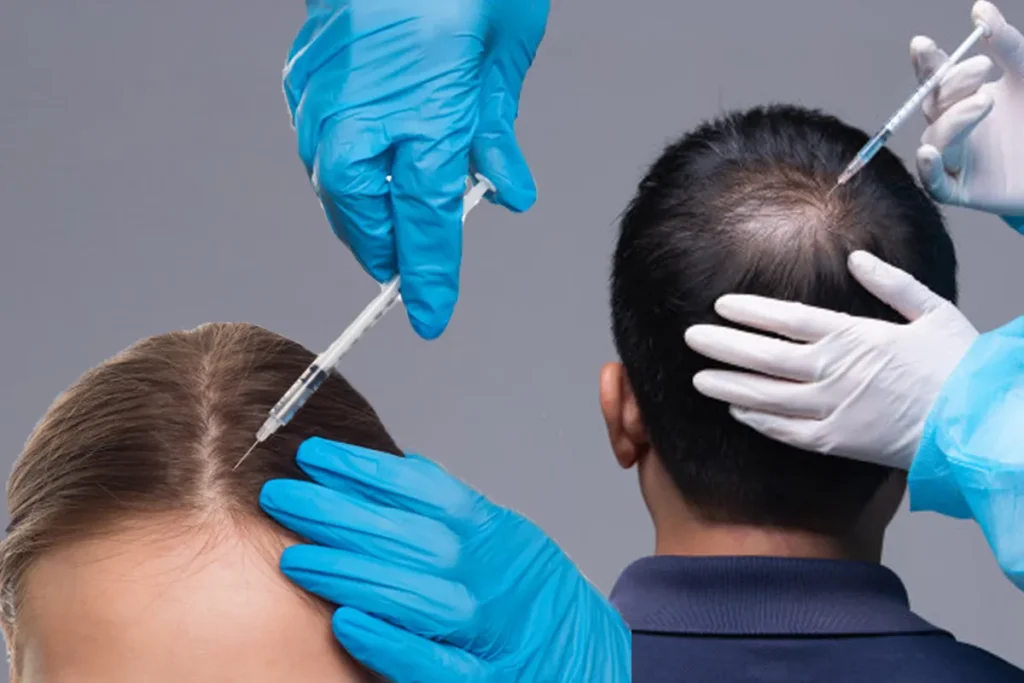
At 2 months after a hair transplant, many wonder about healing and scalp appearance. This time is key for recovery and seeing hair growth start.
Normal Healing Progress at 2 Months Post-Surgery
By 2 months, the scalp has healed from surgery. The transplanted hair is in the resting phase, a normal part of growth. Medical Expert, a top hair restoration expert, says, “The initial healing is done, but the follicles are maturing.”
Some redness or scabbing might remain, but it’s usually minor. Following post-op care is key for best healing.
The Appearance of Your Scalp at This Stage
The scalp might look almost the same as before the transplant, with little growth. This time is filled with anticipation for hair growth.
Common Patient Experiences at the 2-Month Mark
Many experience shock loss, where transplanted hair falls out due to surgery. Though it’s alarming, it’s a normal part of healing. Patients should know it’s temporary and hair will grow back soon.
Knowing about the 2-month timeline helps manage expectations and ensures a smooth recovery. It’s important to keep in touch with your healthcare provider for any concerns or questions.
Hair Transplant After 2 Months: The Shock Loss Phase
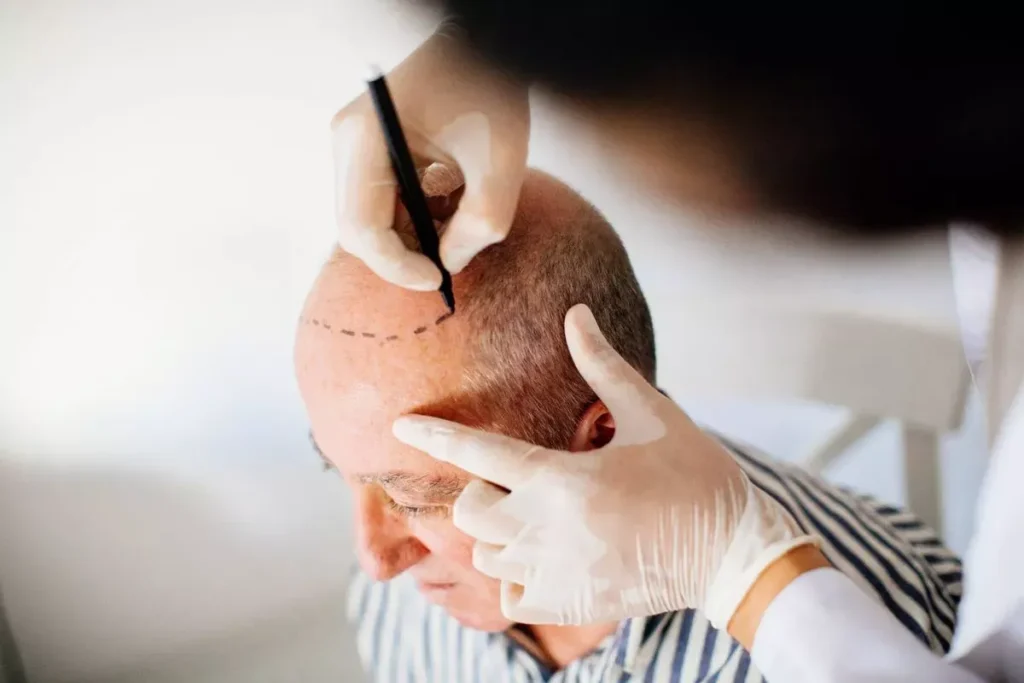
At the 2-month mark after a hair transplant, patients often face the shock loss phase. This is when the transplanted hair starts to fall out. Knowing what to expect can help ease worries and manage hopes.
What Is Shock Loss and Why It Happens
Shock loss is when the transplanted hair falls out due to the surgery’s stress. It usually starts a few weeks after the transplant and peaks at 2 months. This phase is not a failure sign but a scalp adjustment period.
Duration and Intensity of Shock Loss
How long and intense shock loss is can differ for everyone. It often lasts a few months, with noticeable hair loss. The loss is often more in the area around the transplant.
Growth Rates and Patterns During This Period
Even though shock loss seems scary, it’s followed by hair growth. The transplanted hair usually starts growing back 3 to 4 months after surgery. Expect to see hair density and coverage improve over the next months.
Proper Care During the Shock Loss Phase
Good care during shock loss is key to avoid complications and aid recovery. Gentle scalp care, avoiding harsh chemicals, and following the surgeon’s advice are vital. Using gentle, sulfate-free shampoos and avoiding too much heat styling helps the scalp and promotes growth.
Understanding the shock loss phase and proper care can help patients get through it. It’s a journey that needs patience, but the end is a fuller, natural-looking hair.
Conclusion: Staying Patient Through Your Hair Transplant Journey
Starting a hair transplant journey is a big step. It’s important to know what to expect. The recovery takes time, with full results showing up months or even a year later.
Being patient and sticking to your recovery plan is essential. This helps you get a natural, fuller hair look. Knowing what to expect at each stage makes your journey easier.
With the right care and patience, you can get the hair you’ve always wanted. This boosts your confidence and overall happiness. Remember, patience is key to getting the beautiful, full hair you dream of.
FAQ
What can I expect 2 months after a hair transplant?
Two months after a hair transplant, most people see shock loss. This is when the transplanted hair falls out due to the surgery. The scalp heals, but the hair density doesn’t change yet.
Is hair shedding normal after a hair transplant?
Yes, shedding hair is normal after a transplant. It’s called shock loss and happens because of the surgery. It usually starts a few weeks after and peaks at 2 months.
How long does shock loss last after a hair transplant?
Shock loss can last a few months for different people. But, new hair will grow back. Taking good care of your scalp during this time can help.
What should I do during the shock loss phase?
During shock loss, be gentle with your scalp. Avoid harsh chemicals. This helps your scalp recover and reduces risks.
When can I expect to see the full results of my hair transplant?
Seeing the full results of a hair transplant takes time. It can take months to a year or more. Knowing what to expect helps manage your hopes and worries.
How long does it take for transplanted hair to regrow after shock loss?
After shock loss, new hair will grow back. With care and patience, you’ll see a fuller, natural-looking hair in time.
What is the typical timeline for hair regrowth after a hair transplant?
The time it takes for hair to grow back varies. After shock loss, which can last months, new hair starts to grow. It can take up to a year or more for full results.
Can I stil experience shock loss 2 months after a hair transplant?
Yes, shock loss can peak at 2 months after a transplant. It’s a normal part of healing. New hair will grow back in the months that follow.
References
National Center for Biotechnology Information. Evidence-Based Medical Insight. Retrieved from https://www.ncbi.nlm.nih.gov/books/NBK547740/[4





