
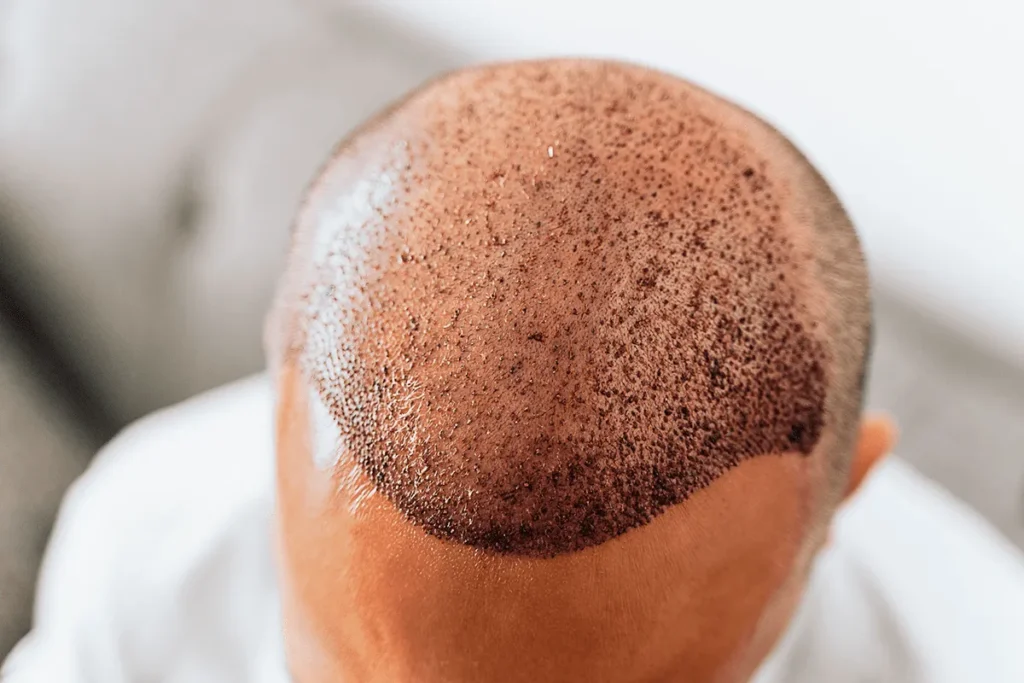
If you’re thinking about Follicular Unit Transplantation (FUT) or already have a scar, knowing how to reduce it is key. FUT is great for natural-looking hair restoration. But, the scar from the donor site is a big worry for many.
But, new surgical methods and techniques have changed the game. Now, FUT scars are much less visible. With the right surgeon and care after surgery, you can make your scar less noticeable. For more tips on managing FUT scars, check out our detailed guide on FUT hair transplant scars.
Key Takeaways
Choose a highly skilled surgeon to minimize scar width.
Follow post-surgery instructions to support scar healing.
Consider camouflage options like scalp micropigmentation.
Massage the scar after healing to improve elasticity.
Understand that FUT scars typically fade within 12-18 months.
Understanding FUT Hair Transplant Procedures
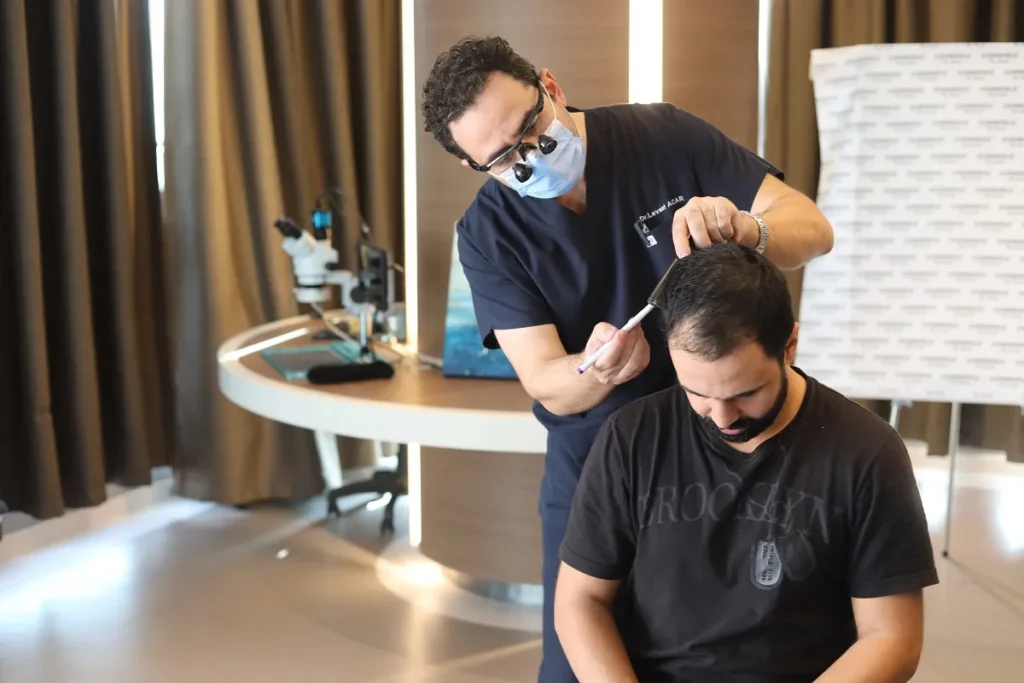
The journey to get a full head of hair starts with Follicular Unit Transplantation (FUT). It’s a mix of art and science. FUT moves hair follicles from the back and sides of the head to bald spots.
What is Follicular Unit Transplantation?
Follicular Unit Transplantation, or FUT, is a method where a strip of hair-bearing skin is taken from the back of the head. This strip is then cut into individual follicular units. These units are then moved to the balding areas.
“FUT has been a game-changer in hair restoration,” say experts. It gives a natural-looking hairline and covers bald spots well.
The FUT Procedure Process
The FUT procedure is detailed and involves several steps:
Local anesthesia is given to keep the person comfortable during the procedure.
A strip of hair-bearing scalp is removed from the donor area.
The strip is cut into individual follicular units under a microscope.
Recipient sites are made in the balding areas.
The follicular units are then transplanted into these sites.
This process needs precision and an artistic touch for natural results. For more details, visit Understanding FUT Hair Transplant Scarring.
Who Benefits from FUT Hair Transplants
FUT is great for those with advanced hair loss. It allows for many grafts in one session. It’s also good for those looking for a lasting solution to hair loss.
Women experiencing hair thinning, like after menopause, find FUT effective. The procedure’s high graft yield makes it perfect for extensive hair restoration.
Understanding FUT hair transplant procedures helps people make better choices for their hair restoration. With its proven results and lasting effects, FUT is a top choice for many.
Preventing and Reducing Hair Transplant FUT Scars
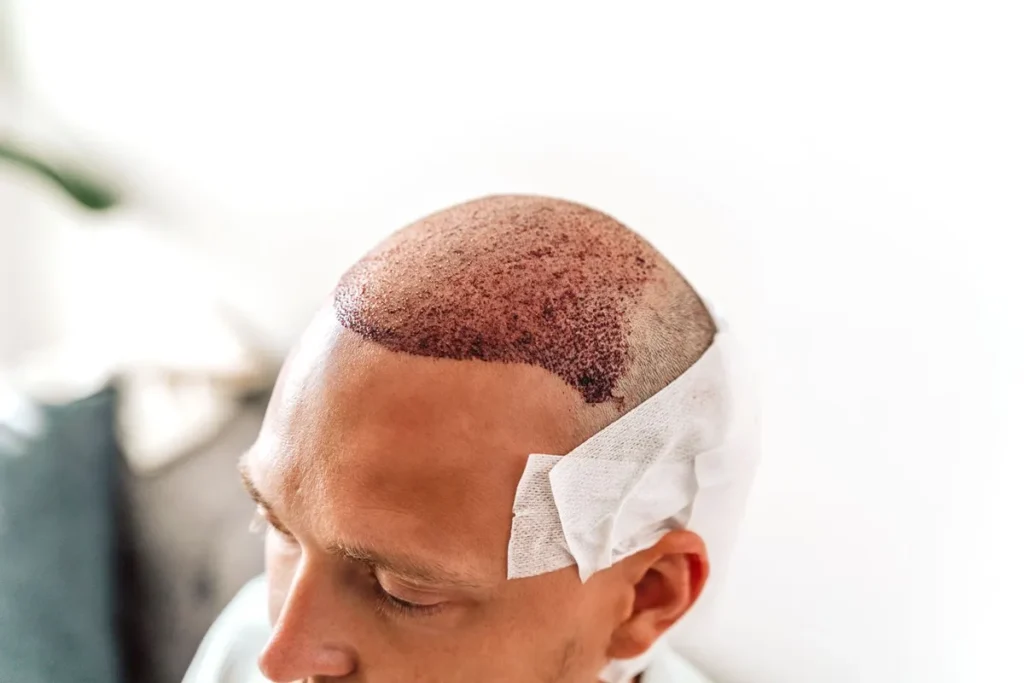
To lessen FUT hair transplant scars, use modern surgery and careful aftercare. Knowing how the fut procedure works and following a good aftercare plan helps a lot. This way, scars can be much less visible.
Modern Surgical Techniques
Today’s fut hair transplant surgery uses new methods to cut down scarring. Trichophytic closure is one, where the wound edges are closed to help hair grow through the scar. This makes the scar less obvious. Fine suturing is another way to make scars smaller and less noticeable.
Using microscopic follicular unit transplant methods means the transplant is done very precisely. This lowers the chance of big scars. Surgeons skilled in these new ways can greatly improve the fut hair transplantation results.
Pre and Post-Operative Care
Good care before and after surgery is key for fut transplant patients. Before, patients learn how to get ready for the surgery. This includes avoiding certain medicines and eating well.
Keeping the area where the transplant will happen clean to avoid infection
Not doing too much activity that could mess up the healing
Following the exact instructions for after-surgery medicines
Following these steps can really help with healing and how the scar looks in the end.
Factors Affecting Scar Healing
Many things can change how well a FUT scar heals. These include the surgeon’s skill, the patient’s health, and following aftercare advice. The fut procedure itself, done by a skilled surgeon, sets the stage for the best healing.
The surgeon’s skill in microscopic follicular unit transplant methods
The patient’s tendency to get big or raised scars
The patient’s follow-through with after-surgery care
By knowing and dealing with these factors, patients can get closer to their goal of lessening FUT scars.
Revision Options for Existing FUT Scars
If you’ve had a FUT hair transplant, you might worry about your scars. FUT scars can be a big concern for many. They can affect how happy you are with your hair transplant.
But, there are ways to make FUT scars less noticeable. You can try FUE grafting into scar tissue, scar excision with trichophytic closure, or scalp micropigmentation. Each method has its own benefits and works best for different people.
FUE Grafting into Scar Tissue
FUE grafting means taking hair follicles from another part of your head and putting them into the scar. This makes the scar less visible and helps new hair grow there.
Reduces the visibility of the scar by introducing hair growth within it
Enhances the overall density of hair in the affected area
Can be performed using advanced FUE techniques for minimal scarring
Scar Excision with Trichophytic Closure
Scar excision with trichophytic closure is a surgery. It removes the scar and closes the area in a way that helps hair grow through it. This makes the scar less noticeable.
This method works well because it:
Removes the existing scar tissue
Uses trichophytic closure to encourage hair growth through the scar
Results in a less noticeable scar due to the hair growth
Scalp Micropigmentation for Scar Camouflage
Scalp micropigmentation is a non-surgical method. It tattoos the scalp to look like hair follicles, hiding the FUT scar.
Scalp micropigmentation has many benefits:
Immediate results with minimal downtime
No surgical risks or complications
Can be used in conjunction with other revision techniques for optimal results
Each revision option has its own way to help with FUT scars. Knowing what each method does can help you choose the best one for you.
Conclusion
Getting a natural-looking hairline after a fut hair transplant needs careful thought. This includes the surgeon’s skill and following aftercare steps. Follicular unit transplantation is a top-notch hair restoration method. But, it can lead to scarring if not done right.
Choosing a skilled surgeon who uses modern techniques like trichophytic closure is key. Following a strict post-operative care plan helps hide FUT scars. Knowing about fut hair transplant and its treatment is vital for success.
A fut hair transplant done right can give you lasting confidence and a natural hairline. Being well-informed and proactive in your hair restoration journey is important. This ensures you get the radiant glow and timeless beauty you want.
With the right mix of expertise and aftercare, you can start a flawless hair restoration journey. Embrace your natural beauty and confidence. Your glow-up story begins here, evolving with you.
FAQ
What is FUT hair transplantation?
FUT, or Follicular Unit Transplantation, is a hair restoration method. It involves removing a strip of hair-bearing scalp from the back of the head. This strip is then cut into individual follicular units and transplanted to balding areas.
Will I have a visible scar after FUT hair transplant surgery?
Yes, FUT hair transplantation does leave a scar. But, modern techniques like trichophytic closure have made these scars less noticeable.
How can I minimize the appearance of FUT scars?
To make FUT scars less visible, choose an experienced surgeon. Follow a proper care routine before and after surgery. Also, consider using modern techniques like trichophytic closure.
Can existing FUT scars be revised or improved?
Yes, you can improve existing FUT scars. Techniques like FUE grafting, scar excision with trichophytic closure, or scalp micropigmentation can help.
What is trichophytic closure, and how does it help reduce scarring?
Trichophytic closure is a technique used in FUT hair transplantation. It overlaps the edges of the wound. This allows hair to grow through the scar, making it less visible.
How long does it take for FUT scars to heal?
FUT scars take several months to heal. As the scar matures, it becomes less noticeable over time.
Can I undergo FUE hair transplantation after having a FUT procedure?
Yes, you can have FUE hair transplantation after a FUT procedure. It can be used to graft hair into the existing FUT scar, helping to hide it.
What is scalp micropigmentation, and how does it help with FUT scars?
Scalp micropigmentation is a non-surgical technique. It tattoos the scalp to create the look of hair follicles. This effectively camouflages scars, including those from FUT procedures.
Are there any specific aftercare instructions to follow after FUT hair transplantation to minimize scarring?
Yes, following your surgeon’s aftercare instructions is key. Avoid strenuous activities, keep the scalp clean, and apply prescribed topical treatments. This can help minimize scarring.
How do I choose the right surgeon to minimize FUT scarring?
To minimize FUT scarring, choose a surgeon with a lot of experience in FUT procedures. They should understand modern techniques like trichophytic closure and have a good track record of successful outcomes.
References
National Center for Biotechnology Information. Hair follicle transplantation on scar tissue. Retrieved from https://pubmed.ncbi.nlm.nih.gov/23851778/





