
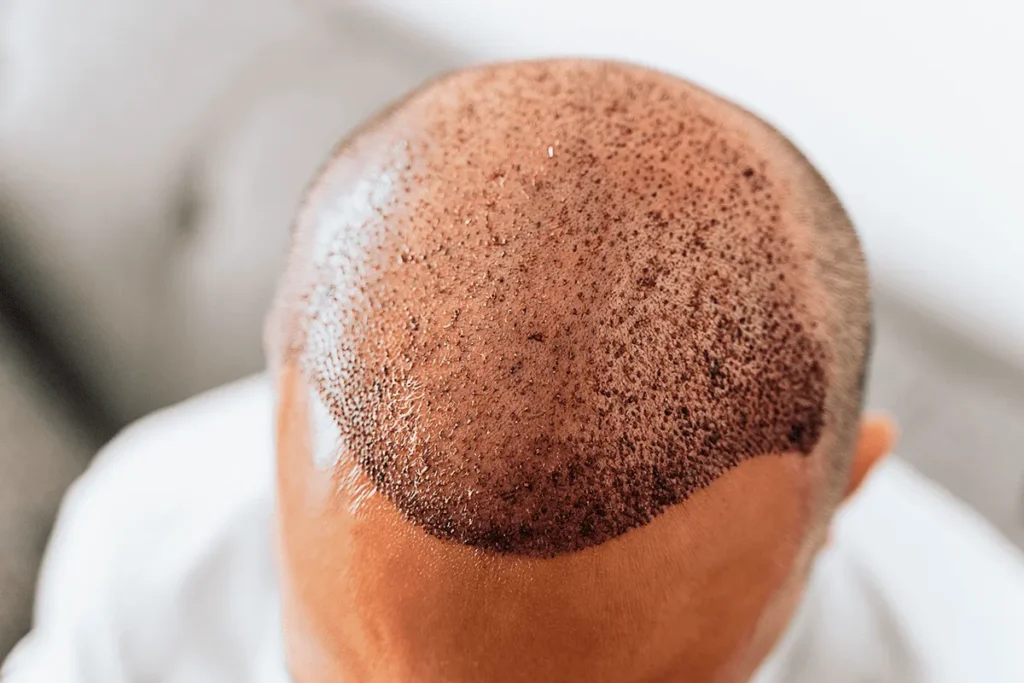
After a hair restoration procedure, seeing scabs can worry you. But knowing they help your body heal makes you feel better. These scabs show your body is working to keep your new hair safe.
Learning how to handle scabs after a transplant is key to a smooth recovery. Taking good care of your scalp during this time is important. It helps keep your new hair in place and ensures your scalp heals well.
The first two weeks after surgery are very important. People often wonder when they can wash their hair and how to safely remove scabs.
Key Takeaways
Scabs form within 24 to 72 hours after surgery as a natural response to micro-incisions.
The first two weeks are critical for healing and protecting grafts.
Proper care is vital to ensure grafts remain secure and the scalp heals correctly.
Understanding scab removal is key for a successful recovery.
Safe removal techniques are essential for protecting your investment.
Understanding Hair Transplant Scabs
It’s key to know about scabs after hair transplant surgery for a smooth recovery. These scabs form 24 to 72 hours after the surgery. They are a natural part of healing.
What Are Hair Transplant Scabs?
Hair transplant scabs are made of dried blood and tissue fluid. They appear at each graft site. They act as a shield, keeping the grafts safe from infection and helping them settle in the scalp.
Why Scabs Form Within 24-72 Hours After Surgery
Scabs form as the body reacts to the small cuts made during the surgery. This is a key part of healing. It helps protect the grafts and aids in recovery.
The Protective Function of Scabs for New Follicles
Scabs are vital for new follicles. They keep them safe from infection and help them settle in the scalp. This is key for the success of the hair transplant.
Knowing about hair transplant scabs helps people understand their recovery better. It ensures the best results from their hair transplant surgery.
The Timeline for Hair Transplant Scab Healing
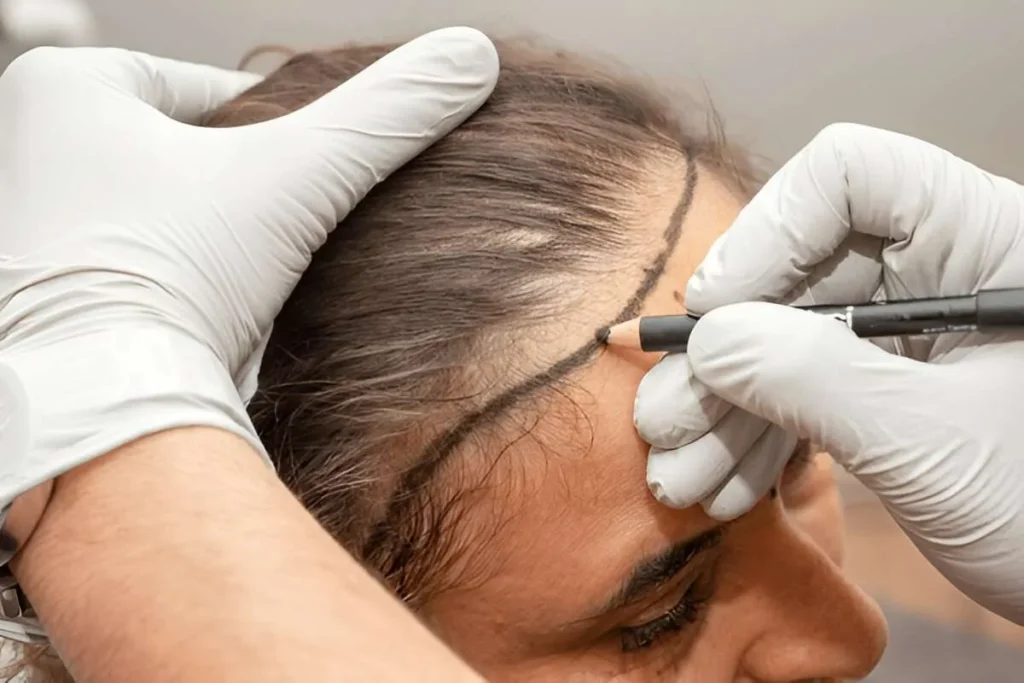
Knowing how long it takes for hair transplant scabs to heal is key to a smooth recovery. The healing process has several stages, from scab formation to shedding.
Days 1-3: Initial Formation and Care
The first three days are very important. Tiny blood clots form around each follicle, making scabs that protect the grafts. “Proper care during this time is vital to prevent infection and keep the grafts in place,” says a top hair restoration expert. It’s important to handle the area gently and follow the doctor’s instructions carefully.
Days 4-7: Beginning the Washing Protocol
From days 4 to 7, patients start a gentle washing routine. They use a mild shampoo and lukewarm water to soften the scabs. It’s important to be gentle to avoid dislodging the grafts.
Days 7-14: Natural Shedding Phase (85-90% of Scabs)
Between days 7 and 14, most scabs fall off naturally, with 85 to 90% shedding. One patient said, “I was surprised at how quickly the scabs fell off after day 7; it was a relief.” This is a big step in the healing process.
Normal Healing Indicators vs. Warning Signs
It’s important to know the difference between normal healing and warning signs. Normal healing means scabs falling off and new hair growing. Warning signs include too much redness, swelling, or infection. Watching your recovery closely and talking to your surgeon if you have concerns is very important.
As scabs fall off and new hair grows, patients feel a sense of achievement and excitement. The journey to a full head of hair is a big change, and knowing the healing timeline is a big part of it.
– Hair Restoration Expert
When Hair Transplant Scabs Are Not Falling Off: Causes and Solutions
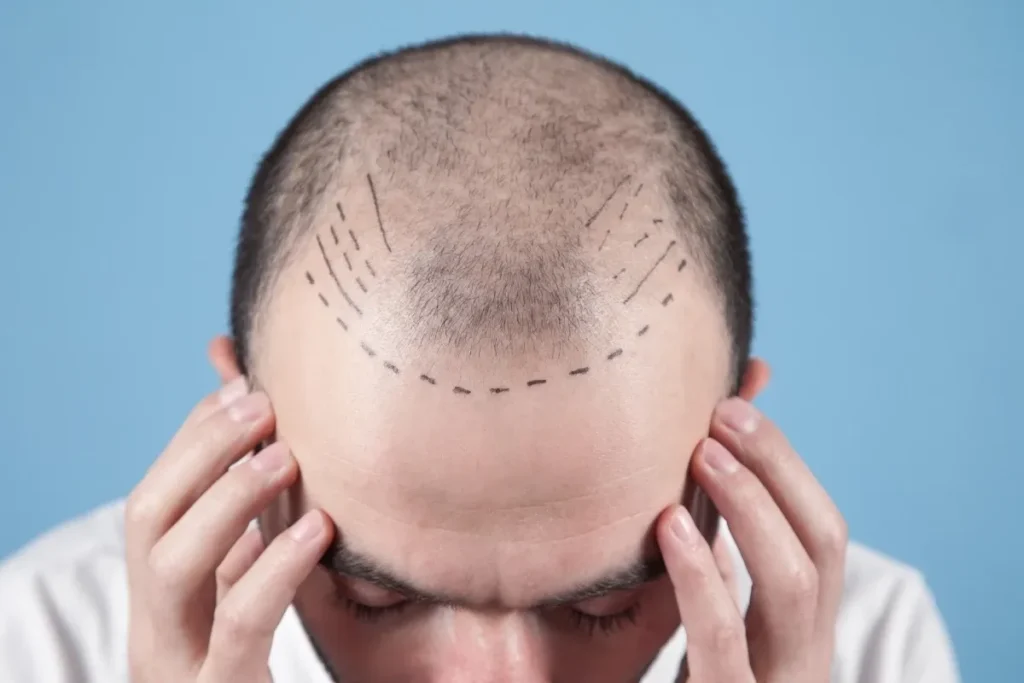
Hair transplant scabs that won’t fall off can be really frustrating. But knowing why they stay can help fix the problem. Most scabs fall off in 7 to 14 days. But sometimes, they stick around longer.
Causes of Persistent Scabs Beyond 14 Days
There are a few reasons why scabs might stay longer than expected. These include:
Dry scalp conditions
Inconsistent washing protocols
Individual variations in healing
Inadequate post-operative care
Understanding these causes is key to finding the right solution. If your scabs last more than 14 to 21 days, talk to your surgeon. They can give you advice tailored to your situation.
When to Seek Medical Advice
If you see any of these signs with your scabs, you should reach out to your surgeon:
Redness around the scabs
Pain or tenderness
Swelling
Signs of infection
Getting medical help quickly can avoid problems and help you heal faster.
Safe Methods for Removing Stubborn Scabs
For scabs that are hard to remove but not infected, you can try gentle methods. This includes:
Gentle massaging with fingertips
Using mild shampoos recommended by your surgeon
Avoiding harsh scrubbing or picking at scabs
Always follow your surgeon’s advice for safe scab removal. This helps avoid complications and supports healthy healing.
Safe Techniques for Removing Hair Transplant Scabs
When removing hair transplant scabs, gentle care is key. This prevents damage to the new follicles. The process includes gentle washing, proper technique, and the right products.
Starting Gentle Washing on Days 3-4
Start gentle washing on days 3-4 after the transplant. Use a mild shampoo your surgeon recommends. This softens and loosens scabs, making them easy to remove without harming the grafts.
Gentle Washing Tips:
Use lukewarm water to help soften scabs.
Gently pat the area; avoid rubbing to prevent graft dislodgement.
Employ a mild, surgeon-recommended shampoo.
Proper Circular Motion Technique with Fingertips
Massage the scalp in a circular motion with your fingertips. This helps loosen scabs gently. It’s effective and won’t harm the grafts.
Tip: Be gentle to avoid causing irritation or damage to the transplanted area.
Recommended Mild Shampoos and Products
Choosing the right shampoo is important. Surgeons often suggest mild, fragrance-free shampoos. These are gentle on the scalp and won’t irritate the grafts.
What to Avoid During the Scab Removal Process
Avoid harsh products, hot water, and vigorous rubbing. These can dislodge grafts or irritate the scalp. For more detailed guidance, check out
Key Avoidance Tips:
Avoid harsh shampoos and conditioners.
Refrain from using hot water.
Do not rub or scratch the scalp vigorously.
Conclusion
Managing hair transplant scabs is key for a good recovery and the best results. Knowing how scabs work and following a care plan helps a lot. This ensures a smooth healing process.
Gentle washing is important. It keeps the follicles healthy, lowers infection risk, and helps the donor area heal. Being patient and consistent is vital. This lets scabs fall off naturally and grafts stay in place for strong hair growth.
Using safe ways to remove scabs and sticking to a washing schedule helps avoid problems. This way, people can get great results from their hair transplant. They’ll enjoy a shiny and natural-looking hairline.
FAQ
What are hair transplant scabs and why do they form?
Hair transplant scabs are a normal part of healing after a hair transplant. They appear 24 to 72 hours after surgery. This is the body’s way of protecting the grafts and helping them settle into the scalp.
How long does it take for hair transplant scabs to fall off?
Scabs usually fall off in 7 to 14 days after surgery. About 85 to 90% of them fall off during this time.
What are the common reasons for persistent scabs beyond 14 days?
Scabs can stick around if your scalp is dry or if you wash it too much. Sometimes, everyone heals at their own pace.
How should I care for my scalp during the initial formation of scabs?
Start washing your scalp gently from days 3 to 4. Use a mild shampoo your surgeon recommends. This helps soften the scabs and aids in healing.
What is the proper technique for removing hair transplant scabs?
Use a circular motion with your fingertips to loosen scabs. Do this gently to avoid harming the grafts.
When should I contact my surgeon regarding persistent scabs?
If scabs last longer than expected or you’re worried, reach out to your surgeon. They can offer advice and guidance.
Are there any products that should be avoided during the scab removal process?
Yes, stay away from harsh products or those your surgeon didn’t recommend. They can irritate your scalp or harm the grafts.
Can I speed up the process of scab removal?
Don’t try to hurry scab removal. Stick to the gentle washing and removal methods your surgeon suggests. This ensures the grafts stay secure and your scalp heals right.
How can I minimize the risk of complications during the healing process?
Take good care of your scalp. Wash it gently, use products your surgeon recommends, and avoid harsh treatments. This helps the grafts survive and reduces the chance of problems.
References
National Center for Biotechnology Information. Evidence-Based Medical Insight. Retrieved from https://pmc.ncbi.nlm.nih.gov/articles/PMC6371733/[5





