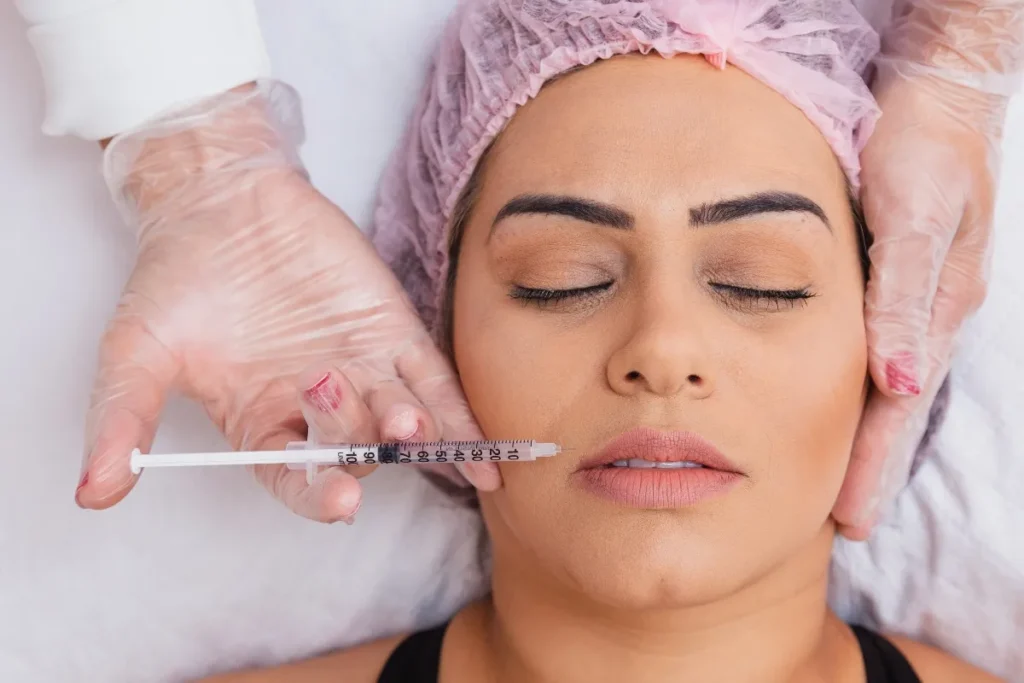
Botulinum toxin treatments are popular for cosmetic enhancements. Millions choose this minimally invasive procedure for a smoother look.
Botox Risks can be avoided! Get our best tips to stay safe and achieve amazing results without the incredible negative side effects of injections.
While botulinum neurotoxins are seen as safe and effective, knowing the risks is key. It’s important to understand the adverse reactions and negative side effects of Botox.
At GoldCity Center, we focus on patient safety and informed choices. That’s why we offer a detailed guide on Botox’s downsides. We want to help you make a safer choice.
Key Takeaways
Understanding the risks and side effects of Botox is vital before treatment.
Botox is a popular cosmetic procedure for reducing wrinkles and improving facial features.
Adverse events can happen, from temporary bruising to rare but serious issues.
Patient safety is our top priority at GoldCity Center.
A detailed guide can help you make an informed decision about Botox treatment.
What You Should Know About Botox Treatments
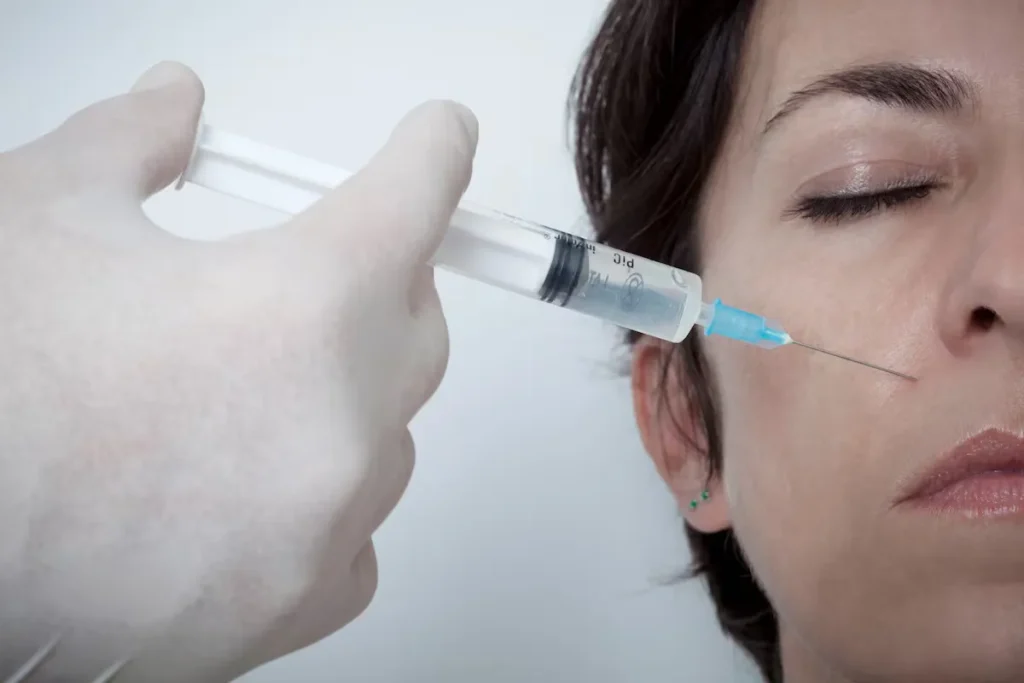
Knowing about Botox treatments is key if you’re thinking about getting it. It’s a popular way to look younger and smoother. Botox is well-known for reducing wrinkles and making faces look fresher.
The Science Behind Botulinum Toxin
Botox comes from Clostridium botulinum. It works by blocking signals that make muscles contract. This action helps smooth out wrinkles and fine lines.
Here’s how it works: Botox stops the release of acetylcholine, a chemical that tells muscles to contract. This makes the muscles relax, which in turn reduces wrinkles and fine lines.
Prevalence and Popularity in Cosmetic Procedures
Botox is a big hit in the world of cosmetic treatments. Millions of people get it every year. It’s great for reducing wrinkles and treating some health issues without surgery.
Studies show that complications can happen in up to 16 percent of cases. It’s important to know this before deciding on Botox.
Understanding Botox Risks: Research and Statistics
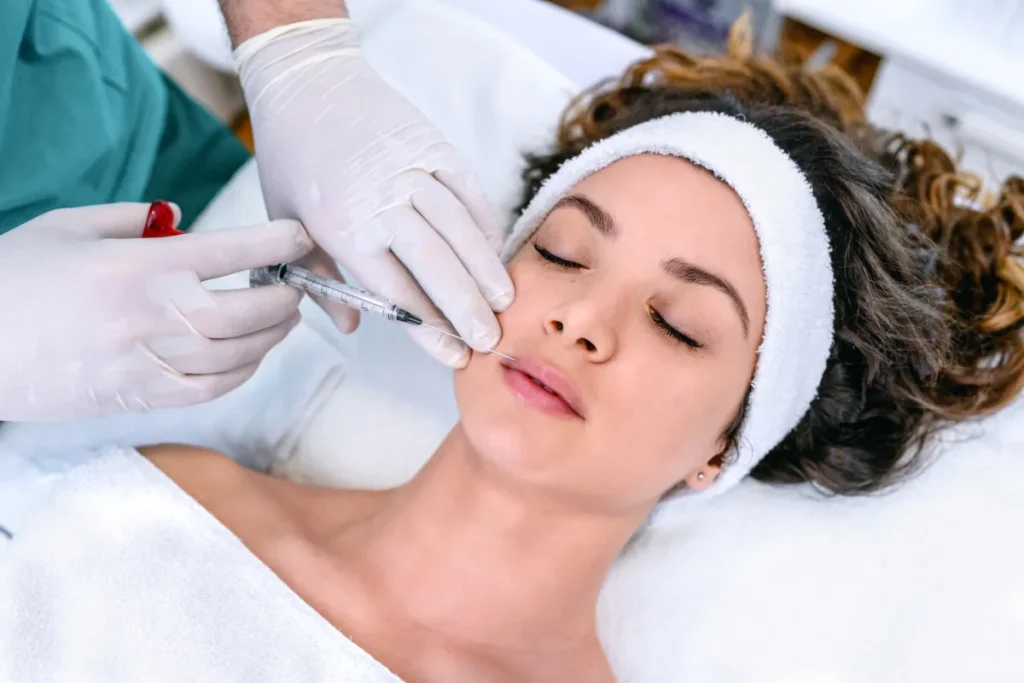
Botox is a popular choice for cosmetic treatments. But, it’s important to look at the research on its safety and effectiveness.
Complication Rates in Aesthetic Procedures
Research shows that Botox side effects are rare but can happen. Common issues include headache and migraine. Also, bruising, edema, and erythema can occur at the injection site.
The complication rate for Botox in beauty treatments is low. Yet, it’s key to remember that results can differ. Some factors might raise the risk of side effects.
Differences Between Therapeutic and Cosmetic Use
The way Botox is used affects the risk of side effects. Therapeutic use for medical issues like spasmodic dysphonia or migraines has a higher risk. On the other hand, cosmetic use aims to smooth out wrinkles and lines.
Knowing the difference between therapeutic and cosmetic use helps. It lets people make better choices about Botox treatments.
7 Common and Serious Negative Side Effects
Botox is known for smoothing out wrinkles, but it’s important to know the possible side effects. It’s a popular cosmetic treatment that can temporarily reduce wrinkles. But, it’s key to understand the possible bad effects it can cause.
1. Headaches and Migraines
Headaches are a common side effect of Botox, ranging from mild to severe migraines. These headaches can happen because of the injection or the body’s reaction to the toxin. Many people experience a headache right after the procedure, and sometimes, it can turn into a severe migraine.
2. Bruising, Edema, and Erythema at Injection Sites
People often get bruising, swelling, and redness at the injection sites after Botox. Bruising happens because of blood vessels being punctured during the injection. Edema and erythema are reactions to the toxin or the process. These side effects are usually short-term but can worry those looking for cosmetic improvements.
3. Eyelid and Eyebrow Ptosis
Eyelid and eyebrow ptosis are serious concerns. They happen when the toxin spreads to nearby muscles, causing drooping eyelids or eyebrows. This can be very upsetting for those trying to improve their look, as it can change their facial expression and appearance.
4. Facial Asymmetry and Expression Changes
Facial asymmetry and changes in facial expressions are also possible side effects of Botox. When the toxin affects muscles unevenly, it can cause facial features to look uneven or expressions to freeze. This can be unsettling and hard to fix.
It’s important to know about these possible side effects before getting Botox. By understanding the risks, you can make better choices and take steps to avoid bad reactions.
Conclusion: Making Informed Decisions About Botox
Botox can be a great way to look younger, but it’s important to know the risks. Understanding the adverse effects of Botox helps you make informed decisions about your treatments.
Choosing a skilled practitioner and following care instructions can lower risks. Paying attention to Botox safety and spotting early signs of problems can help you enjoy its benefits safely.
With this knowledge, you can shine from within and feel confident in your beauty. Knowing the negative effects of Botox long term and taking steps to prevent them can lead to a beautiful, natural look.
FAQ
What are the most common negative side effects of Botox?
Common side effects of Botox include headaches and bruising. You might also see edema, erythema, eyelid ptosis, and facial asymmetry at the injection sites.
Is Botox safe for everyone?
Botox is generally safe but not for everyone. People with certain health conditions or taking specific medications should avoid it. Always talk to a qualified practitioner before getting Botox.
What are the risks associated with Botox for cosmetic use?
Cosmetic Botox can cause facial asymmetry and changes in expressions. Eyelid ptosis is another risk. Knowing these risks helps you make an informed choice.
Can Botox cause long-term negative effects?
Long-term effects of Botox are rare but can happen. These include prolonged facial asymmetry or changes in expressions. Repeated treatments might lead to antibody formation, reducing Botox’s effectiveness.
How can I minimize the risks associated with Botox?
To reduce risks, choose a qualified practitioner and follow their post-treatment care. Being aware of complications signs is also key. This ensures a safe and effective treatment.
Are there any differences in risks between therapeutic and cosmetic Botox use?
Yes, risks differ between therapeutic and cosmetic Botox. Therapeutic use often involves higher doses and more frequent injections. This might increase the risk of adverse events.
Can Botox injections lead to brain fog or other cognitive issues?
Some research suggests Botox might cause cognitive issues like brain fog. But the evidence is limited and not conclusive. More research is needed to understand this link.
What should I do if I experience adverse reactions to Botox?
If you have severe headaches, facial asymmetry, or trouble swallowing after Botox, seek medical help right away. Talk to your practitioner or a healthcare professional for advice on managing side effects.
References
National Center for Biotechnology Information. Evidence-Based Medical Insight. Retrieved from https://pubmed.ncbi.nlm.nih.gov/33051718/[2