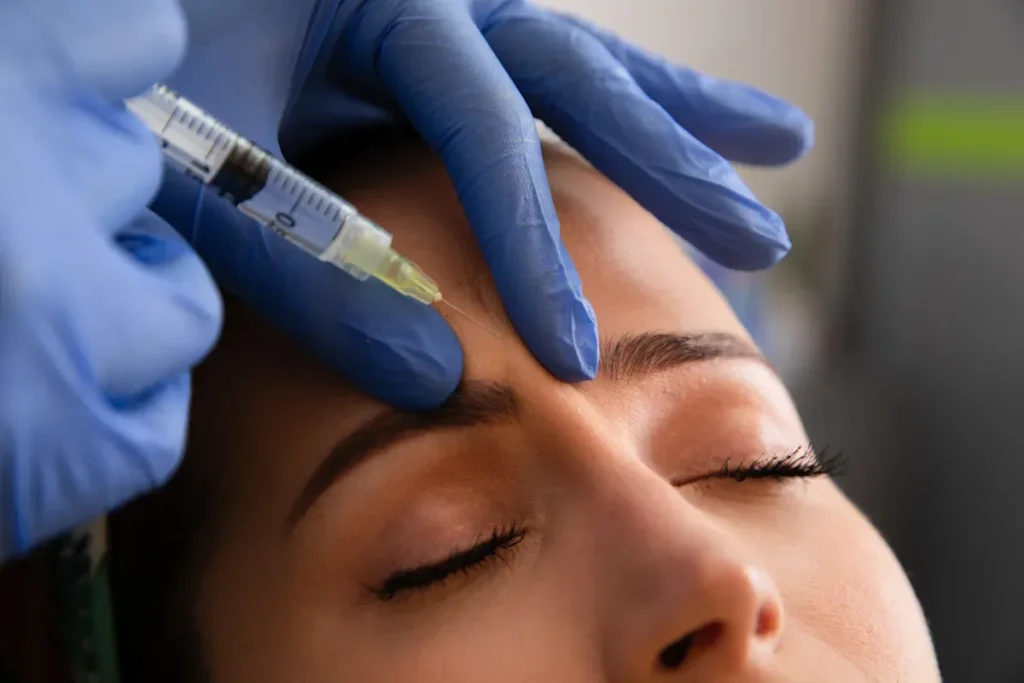
Many wonder if Botox is a neurotoxin. But knowing it’s safe is key. Botox, or botulinum toxin, comes from the bacterium Clostridium botulinum. Even though it’s the same toxin that causes botulism, the right dose makes it safe and effective.
Experts use Botox for both beauty and health. It works by relaxing muscles, which helps reduce wrinkles and treat health issues. The secret to its safety is the exact dose and who gives it to you.
Is Botox A Neurotoxin? Get the best amazing safety facts and understand how botulinum toxin works to give you incredible, smooth skin safely.
Key Takeaways
Botox is a neurotoxic protein derived from Clostridium botulinum.
Controlled doses ensure its safe use in medical and cosmetic procedures.
Professional administration is key for its safety and success.
Botox is used for both beauty and health treatments.
Its safety is proven when used correctly.
What Is Botox and Is Botox a Neurotoxin?
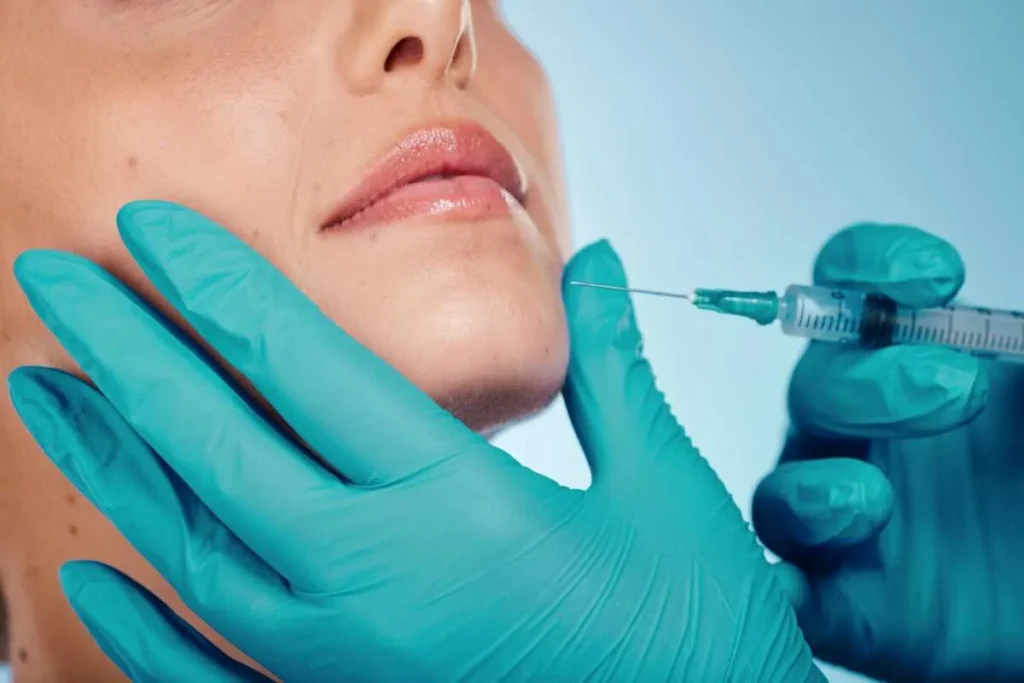
Botox comes from a complex toxin found in the bacterium Clostridium botulinum. It’s used for both medical and cosmetic reasons. This neurotoxin is a key part of Botox, making it popular for many uses.
The Scientific Classification of Botulinum Toxin
Botulinum toxin, the main ingredient in Botox, is a neurotoxin. It comes from the bacterium Clostridium botulinum. Knowing this helps us understand how it works in the body and its medical uses.
This toxin belongs to a family of botulinum toxins. Botox uses type A, which is used for both beauty treatments and medical needs.
Composition of Medical Botox
Botox is made from a purified form of botulinum toxin type A. Each vial has the toxin, human albumin, and sodium chloride. These ingredients make Botox safe and stable for medical use.
Botulinum Toxin Type A: The active ingredient responsible for the therapeutic and cosmetic effects.
Human Albumin: A protein that helps stabilize the toxin.
Sodium Chloride: A salt used to maintain the osmotic balance.
Knowing what’s in Botox helps us see its safety and effectiveness. The exact mix of Botox makes it safe and effective when used by doctors.
Botox vs. Botulism: Understanding the Distinction
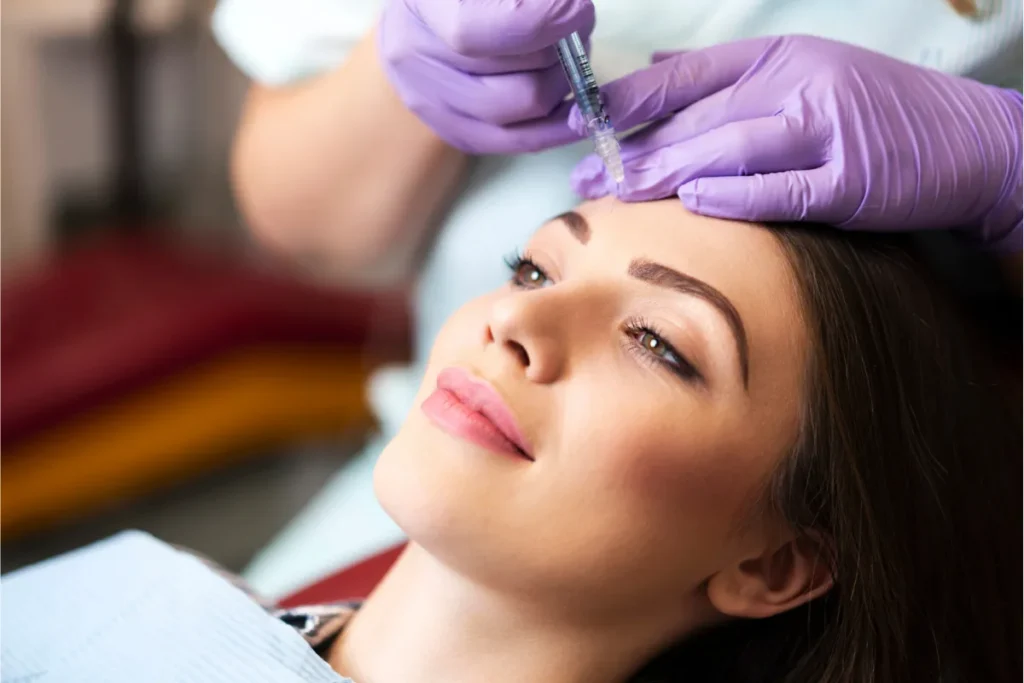
Botox is a cosmetic treatment, while botulism is a serious medical condition. They both come from the botulinum toxin. But, Botox is used in a controlled way, unlike botulism.
Causes of Botulism
Botulism happens when you get too much of the botulinum toxin. This can be from bad food or an infected wound. It can cause muscle weakness, paralysis, and breathing problems.
Controlled Medical Application of Botox is different. It’s given in small, precise amounts to specific muscles. This way, it works well without causing botulism’s serious side effects.
Controlled Medical Application vs. Food Poisoning
Getting Botox is a meticulously controlled process. It’s injected in tiny, measured amounts into the right muscles. This careful approach reduces risks and makes the treatment effective.
Botulism from food poisoning or wounds is different. It’s caused by unpredictable toxin amounts and varied exposure ways. This can lead to serious health problems.
Knowing the difference between Botox and botulism helps. It shows how safe Botox treatments are. This is important for alleviating concerns and proving Botox’s effectiveness when used right.
How Botulinum Toxin Works in the Body
It’s important to know how Botox works to see its benefits. Botox, or botulinum toxin, affects muscle movement by blocking nerve signals.
Nerve Signal Interaction
Botox stops the release of acetylcholine at the neuromuscular junction. This leads to muscle weakness. It’s why Botox is good for wrinkles and some muscle problems.
The toxin works by cutting proteins needed for nerve action. It targets neurons that use acetylcholine, stopping its release.
Targeted Muscle Effects
Botox is great because it only affects certain muscles. This makes it perfect for both beauty treatments and medical uses.
Understanding Botox’s effect on nerves and muscles helps us see its value. Its precision and effectiveness make it a key tool in many treatments.
The Safety Profile of Botulinum Toxin Treatments
Botox is known for its safety when used right. It’s made from Botulinum toxin, a natural neurotoxin. The key to its safety is knowing how to use it correctly.
Medical Dosing and Administration
Using Botox requires careful dosing and technique. Doctors get special training to inject it correctly. This ensures the toxin works well and safely.
It’s important to know what Botox is made of. It’s a purified Botulinum toxin, safe for humans. This makes it reliable for medical use.
Common Side Effects and Their Duration
Some people might feel pain, swelling, or bruising after Botox. These effects are usually mild and go away in a few days. Rarely, serious side effects can happen if the toxin spreads, but this is rare.
The idea that Botox is rat poison is wrong. Botox is a purified substance, not like rat poison. Rat poison is dangerous and not controlled.
Professional Supervision Requirements
Getting Botox from a professional is key. Only trained doctors should give Botox. They can handle any side effects and answer questions.
In summary, Botox treatments are safe when done by experts. Knowing about dosing, side effects, and the need for professional help helps make smart choices about Botox.
Conclusion: Botox Safety in Perspective
Botox, a form of botulinum toxin, is used for many medical and cosmetic needs. It has a strong safety record when used correctly. Knowing that Botox is a botulinum toxin helps us understand its safety.
The key difference between Botox and botulism is how they are used. Botox is used in a controlled medical setting. This is different from the food poisoning that causes botulism.
The safety of Botox comes from the careful dosing and administration by experts. This reduces the chance of bad side effects. The risk of botulism from Botox is very low when used right.
By knowing “is botox botulinum” and its meaning, people can trust Botox’s benefits. It’s a safe and effective treatment for those wanting to look younger.
In a medical setting, Botox is a safe and effective choice. It offers a “luxury transformation” for those looking to rejuvenate. With its strong safety record and “timeless beauty” benefits, Botox remains a top choice for beauty.
By understanding the science behind Botox and its proper use, people can “own their beauty” with confidence.
FAQ
Is Botox made from botulinum toxin?
Yes, Botox is made from botulinum toxin. But it’s highly purified and used in a controlled medical setting.
What is Botox composed of?
Botox is a sterile, vacuum-dried form of botulinum toxin. It’s mixed with albumin and sodium chloride.
Is Botox the same as botulism?
No, Botox and botulism are not the same. Botox is derived from the toxin that causes botulism. But it’s used in a controlled way, unlike botulism.
How does Botox work in the body?
Botox works by interacting with nerve signals and muscle groups. It temporarily relaxes specific muscles to provide therapeutic benefits.
What are the common side effects of Botox?
Common side effects of Botox include bruising, swelling, and droopy eyelids. These are usually temporary and mild.
Is Botox safe when used correctly?
Yes, Botox is safe when used in a controlled medical setting. It must be administered by a qualified professional.
What is the medical name for Botox?
The medical name for Botox is botulinum toxin type A.
Is Botox a toxin?
Yes, Botox is a neurotoxin. But it’s used in a highly controlled and purified form for medical and cosmetic purposes.
What are the ingredients in Botox?
Botox contains botulinum toxin, albumin, and sodium chloride.
Is Botox made from rat poison?
No, Botox is not made from rat poison. This is a common myth with no basis in fact.
Can Botox cause botulism?
No, when used correctly in a medical setting, Botox does not cause botulism.
References
National Center for Biotechnology Information. Evidence-Based Medical Insight. Retrieved from https://pubmed.ncbi.nlm.nih.gov/39859491/[2





