

Muscle relaxers are often used to treat muscle pain and spasms. But, their effect on blood pressure is not always clear. Some muscle relaxers can lower blood pressure, but it depends on the drug and the person taking it.
Do Muscle Relaxers Lower Blood Pressure? Get the amazing info on side effects and discover the best ways to stay healthy during your treatment.
GoldCity Center focuses on each patient’s needs. They check how muscle relaxers might affect your health. Knowing how these drugs work in your body is key to safe treatment.
Key Takeaways
Muscle relaxers can have varying effects on blood pressure depending on the specific medication.
Individual patient factors play a significant role in how muscle relaxers impact blood pressure.
A thorough check-up is needed to understand the effects of muscle relaxers on your health.
GoldCity Center’s approach ensures personalized care and safe treatment.
Understanding the complex relationship between muscle relaxers and blood pressure is vital for effective management.
How Muscle Relaxers Affect Blood Pressure
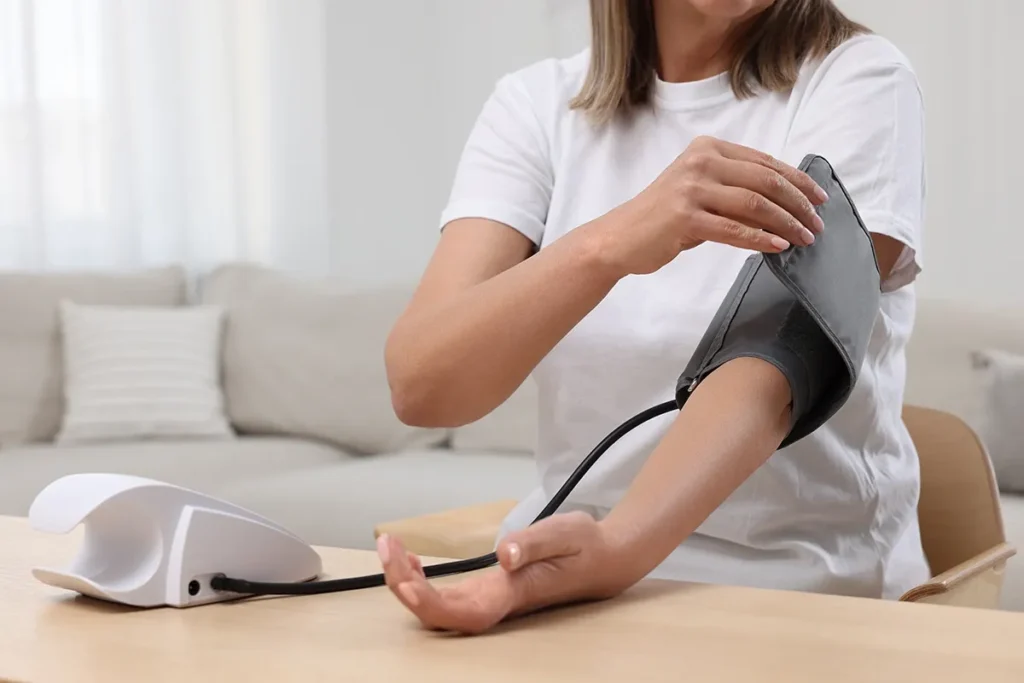
Muscle relaxers are often used to treat muscle spasms. They have a complex effect on blood pressure. These drugs aim to ease muscle tension but can also impact heart health.
Types of Muscle Relaxers and Their Mechanisms
There are many muscle relaxers, each working differently. Tizanidine and cyclobenzaprine are two well-known types. They have been studied for their effects on blood pressure.
Tizanidine: It works by acting on alpha-2 adrenergic receptors, which can lower blood pressure. It might cause low blood pressure in some people.
Cyclobenzaprine: It works like tricyclic antidepressants and can affect blood pressure differently. It might cause blood pressure to go up or down.
Other muscle relaxers, like baclofen and methocarbamol, also have unique ways of working. Their effects on blood pressure can vary.
Factors That Influence Blood Pressure Response
Several things can affect how muscle relaxers change blood pressure. These include the type of muscle relaxer, how much is taken, the patient’s health, and other medicines they might be taking.
— Medical Guidelines
Healthcare providers need to understand these factors. This helps them decide if muscle relaxers are safe for patients with blood pressure issues.
Do Muscle Relaxers Lower Blood Pressure? Medication-Specific Effects

The impact of muscle relaxers on blood pressure changes with each type of medication. Each muscle relaxer works differently, affecting blood pressure in unique ways.
Tizanidine and Hypotension Risk
Tizanidine is a muscle relaxer that can lower blood pressure. It’s used to treat muscle spasticity. High doses or mixing it with blood pressure meds can lead to severe drops in blood pressure.
Severe hypotension happened more often with tizanidine than with cyclobenzaprine. This shows the need to watch blood pressure closely in those taking tizanidine.
Important things to remember with tizanidine include:
Check blood pressure often, when starting treatment or changing doses.
Be careful when mixing tizanidine with other blood pressure-lowering meds.
Use tizanidine with caution in people with low blood pressure or those on blood pressure meds.
Cyclobenzaprine and Blood Pressure Variations
Cyclobenzaprine is a muscle relaxer related to amitriptyline. It can change blood pressure, but the risk of low blood pressure is lower than with tizanidine. Cyclobenzaprine can cause low blood pressure when standing up, which is a concern for older adults or those with heart disease.
To reduce blood pressure changes with cyclobenzaprine:
Start with a small dose and increase as needed.
Watch blood pressure closely, mainly in those at risk for heart problems.
Avoid cyclobenzaprine in those with heart attacks or serious heart disease.
Other Common Muscle Relaxants and Their Cardiovascular Effects
Other muscle relaxers, like baclofen and methocarbamol, affect the heart differently. Baclofen can lower blood pressure, while methocarbamol is less likely to cause heart problems. Knowing the heart risks of each muscle relaxer is key to safe treatment.
It’s also vital to know about addiction and withdrawal symptoms, like with cyclobenzaprine (Flexeril). Withdrawal symptoms can include headaches, nausea, and irritability, and in severe cases, seizures.
Side Effects and Risks of Muscle Relaxers
Muscle relaxers help with muscle spasms and tension. But, they can also have side effects and risks. Knowing these can help use them safely.
Common Short-Term Side Effects
Muscle relaxers can cause short-term side effects. These can be bothersome. Some common ones are:
Drowsiness and fatigue
Dizziness and lightheadedness
Blurred vision and other visual disturbances
Dry mouth and gastrointestinal discomfort
A study found that drowsiness, dizziness, and dry mouth are common side effects. This is why it’s important to be careful when using these drugs, like when driving.
Addiction and Dependency Concerns
Muscle relaxers can lead to addiction and dependency. Some, like carisoprodol and diazepam, are at higher risk.
It’s key to use these drugs only as directed by a doctor and for a short time.
Drug Interactions with Blood Pressure Medications
Muscle relaxers can interact with blood pressure medications. These interactions can cause unpredictable effects. This includes stronger hypotension or weaker blood pressure medication.
It’s important to tell your doctor about all medications you’re taking to avoid drug interactions.
Knowing the side effects and risks of muscle relaxers helps make better choices. This can help avoid harm.
Conclusion: Safe Use of Muscle Relaxers for People with Blood Pressure Concerns
Muscle relaxers can help with muscle spasms, but they can also affect blood pressure. The big question is: will they lower your blood pressure or cause it to rise? The answer depends on the specific medication and its effects on your heart.
It’s important to know the risks of muscle relaxers like cyclobenzaprine. This includes the possibility of withdrawal symptoms. If you have blood pressure concerns, always follow your doctor’s advice. Also, keep an eye on your blood pressure.
Being informed and careful can help you use muscle relaxers safely. This way, you can enjoy their benefits without harming your heart. It’s all about finding the right balance for your health.
FAQ
Can muscle relaxers raise blood pressure?
Muscle relaxers can change blood pressure, but it depends on the drug and the person. For example, tizanidine might lower blood pressure. Cyclobenzaprine’s effect on blood pressure can vary.
Can you become addicted to muscle relaxers?
Yes, some muscle relaxers, like cyclobenzaprine, can be addictive. This is more likely with large doses or long-term use. Always use them as directed by a doctor to avoid addiction.
Do muscle relaxers lower blood pressure?
Some muscle relaxers, like tizanidine, can lower blood pressure. But, not all muscle relaxants have the same effect. Some might not change blood pressure much.
What are the long-term effects of muscle relaxers?
Long-term use of muscle relaxers can lead to dependency. It can also cause side effects like drowsiness and dry mouth. Always follow your doctor’s advice on using these medications.
Are muscle relaxers addictive?
Some muscle relaxers, like cyclobenzaprine, can be addictive. This is more likely if they are misused or used for too long.
What are the withdrawal symptoms of cyclobenzaprine (Flexeril)?
Stopping cyclobenzaprine can cause headaches, fatigue, and irritability. The severity of these symptoms depends on the dosage and how long you used it.
Can muscle relaxers cause muscle spasms?
Muscle relaxers are meant to stop muscle spasms. But, stopping them suddenly can cause withdrawal symptoms, including muscle spasms. Tapering off under a doctor’s guidance can help avoid this.
Do muscle relaxers cause depression?
Some people might feel mood changes, like depression, when taking muscle relaxers. But, this isn’t a common side effect. The link between muscle relaxers and depression is complex.
What are the side effects of muscle relaxers the next day?
Common side effects of muscle relaxers that last the next day include drowsiness and dry mouth. The specific side effects can vary based on the medication and the person.
Can muscle relaxers interact with blood pressure medications?
Yes, muscle relaxers can interact with blood pressure medications. This can lead to low blood pressure. Always tell your doctor about all medications you’re taking to avoid bad interactions.
References
National Center for Biotechnology Information. Evidence-Based Medical Insight. Retrieved from https://pubmed.ncbi.nlm.nih.gov/17699906/





