

Do Muscle Relaxers Help You Sleep? Discover amazing facts about side effects and learn the best ways to achieve an incredible, restful night.
Muscle relaxers are prescription drugs that work on the central nervous system. They help reduce muscle spasms and tension.
Medications like cyclobenzaprine can make up to 40 percent of users feel very sleepy. This sleepiness can last into the next day.
It’s important to understand how these drugs work and their possible side effects before starting treatment.
Trusted healthcare providers focus on patient-centered care. They know that patients who are well-informed make better choices about their treatment.
Key Takeaways
Muscle relaxers can cause drowsiness by depressing the central nervous system.
These medications can impair driving and daily activities.
Cyclobenzaprine is a common muscle relaxer that can cause sleepiness.
Understanding the possible side effects is key before starting treatment.
Informed patients make better treatment decisions with the guidance of trusted healthcare providers.
What Are Muscle Relaxers and How Do They Work?

Muscle relaxers, also known as skeletal muscle relaxants, help reduce muscle stiffness and discomfort. They are designed to ease muscle tension and spasms. This relief is for people with various musculoskeletal conditions.
Types of Common Muscle Relaxers
There are several muscle relaxers prescribed, like cyclobenzaprine (Flexeril), methocarbamol (Robaxin), carisoprodol (Soma), and baclofen. Each works differently but all aim to reduce muscle hyperactivity and ease discomfort.
About 30 percent of people taking cyclobenzaprine feel drowsy. This shows why knowing about muscle relaxers and their side effects is key.
Mechanism of Action in the Central Nervous System
Muscle relaxers act on the central nervous system (CNS) to work. They depress the CNS, which lowers muscle tone and pain. The way they work can differ, like baclofen and cyclobenzaprine do.
Knowing how muscle relaxers work helps us see their value in treating muscle tension and spasms. They target the CNS to offer relief for musculoskeletal disorders.
Do Muscle Relaxers Help You Sleep?
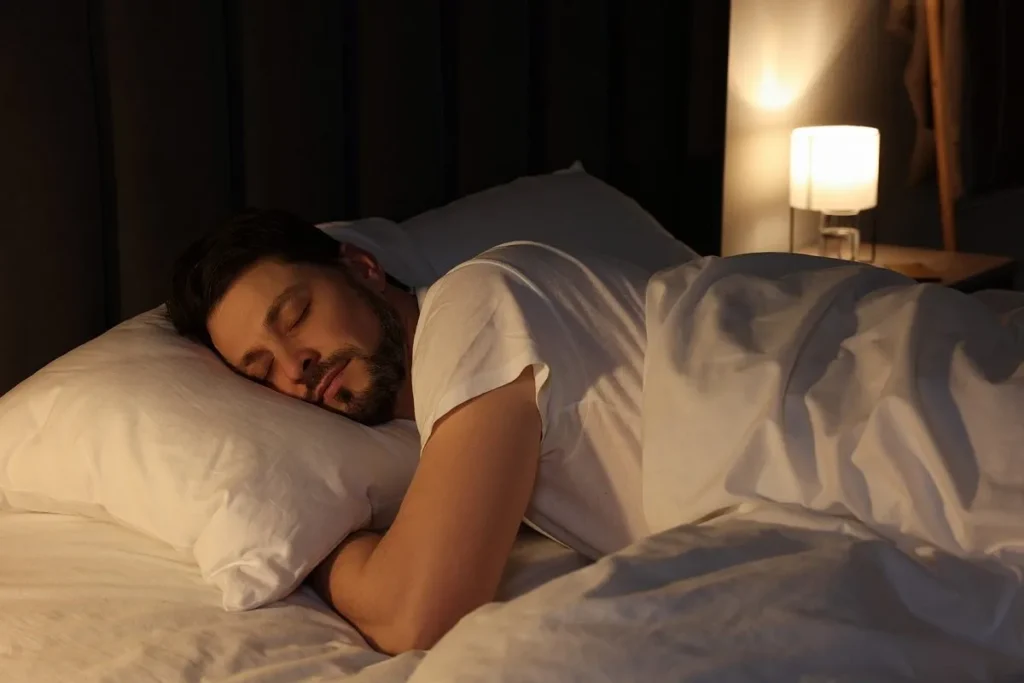
Muscle relaxers help ease muscle spasms and have a sedative effect. This can improve sleep quality. Many people feel drowsy soon after taking them. These drugs slow down the central nervous system, which controls muscles and alertness.
The Sedative Effect and Sleep Induction
The sedative effect of muscle relaxers comes from central nervous system depression. This helps relax muscles and induce sleep. It’s a double benefit for those with muscle spasms and sleep issues.
The sedative effect is great for those with muscle tension at night. It reduces spasms and improves sleep quality.
Taking Muscle Relaxers at Bedtime
Taking muscle relaxers before bed can help you sleep better. But, always follow the dosage and talk to a doctor to avoid side effects.
Knowing how muscle relaxers work and using them right can help you sleep better.
Common Side Effects of Muscle Relaxers
Muscle relaxers help with muscle tension but have side effects. Knowing these can help you decide if they’re right for you.
Drowsiness and Fatigue
Drowsiness is a common side effect. Muscle relaxers slow down your nervous system, making you feel tired. Doctors say this can make it hard to stay awake during the day.
Start with a low dose to avoid feeling too tired. Always check with your doctor before increasing your dose.
Dry Mouth and Feeling “Loopy”
Dry mouth is another common issue. These drugs can make your mouth dry. Some people also feel “loopy” or disoriented.
Drink lots of water to help with dry mouth. If you feel “loopy,” talk to your doctor.
Constipation and Digestive Problems
Muscle relaxers can cause constipation and other digestive problems. They can slow down your bowel movements. A study found that muscle relaxants can cause significant digestive side effects, including constipation.
Eating foods high in fiber and staying active can help with these issues.
Headaches and Next-Day Effects
Some people get headaches from muscle relaxers. They can also feel tired or drowsy the next day. Knowing this can help you plan your day better.
If headaches don’t go away, talk to your doctor. They might suggest other treatments or changes to your current plan.
In summary, muscle relaxers can help with muscle tension but have side effects. Understanding these can help you manage your treatment better and avoid negative impacts on your daily life.
Conclusion
Muscle relaxers can help people with muscle tension and sleep issues. They work by affecting the central nervous system. This can lead to a sedative effect, making it easier to fall asleep.
But, it’s important to know about their side effects. These can include feeling drowsy, having a dry mouth, and stomach problems. Knowing the risks and benefits is key to using them safely and effectively.
Understanding muscle relaxers, sleep, and side effects helps make better choices. It’s also vital to talk to a healthcare professional. They can guide you to the best treatment.
In summary, muscle relaxers can be helpful for muscle tension and sleep. But, they should be used carefully and with a doctor’s advice.
FAQ
Can muscle relaxers cause constipation?
Yes, muscle relaxers can slow down your digestive system. This leads to harder stools and trouble passing bowel movements.
Do muscle relaxers cause dry mouth?
Yes, some muscle relaxers can make your mouth dry. This can be uncomfortable and may lead to dental problems if not managed.
Can muscle relaxers make you tired?
Yes, muscle relaxers can make you feel drowsy and tired. They are often taken before bed to help with sleep.
Does muscle relaxer make you tired the next day?
The sedative effect of muscle relaxers can last into the next day. This can cause tiredness or fatigue, but it varies by medication and person.
Do muscle relaxers make you constipated?
Yes, muscle relaxers can cause constipation by affecting bowel movements. This side effect is more common in some people than others.
How do muscle relaxers make you feel the next day?
The next-day effects of muscle relaxers can include lingering drowsiness and fatigue. Some people may also experience headaches, depending on the medication and their tolerance.
Can muscle relaxers cause headaches?
Yes, some people may get headaches from taking muscle relaxers. The exact reason is not always clear.
Do muscle relaxers make you poop?
Generally, muscle relaxers are more likely to cause constipation than stimulate bowel movements. But, individual reactions can vary.
Why do muscle relaxers make you tired?
Muscle relaxers work by depressing the central nervous system. This leads to a sedative effect and can cause tiredness or drowsiness.
How do muscle relaxers make u feel?
The effects of muscle relaxers can vary. Common feelings include feeling relaxed, drowsy, or a bit disoriented or “loopy.”
Do muscle relaxants cause constipation?
Yes, muscle relaxants can cause constipation. They affect the muscles and may slow down bowel movements.
Do muscle relaxers make you feel loopy?
Some people may feel a bit disoriented or “loopy” when taking muscle relaxers. This is more common if they are not used to the medication or take higher doses.
References
National Center for Biotechnology Information. Evidence-Based Medical Insight. Retrieved from https://pubmed.ncbi.nlm.nih.gov/1856814/





