

Many people and doctors are unsure about the differences between muscle relaxants and opioids. They also worry about the dangers of using them together. Are Muscle Relaxants Opioids? Uncover the amazing truth about overdose risks and learn the best safety tips for an incredible, pain-free life.
Muscle relaxants are a special kind of medicine for pain and discomfort. They are not opioids, but mixing them with opioids can raise the risk of overdose a lot.
It’s very important to know the main differences between these medicines for safe pain treatment. At GoldCity Center, we focus on keeping patients safe with the latest medical knowledge.
Key Takeaways
Muscle relaxants are not opioids but can pose overdose risks when mixed with opioids.
Using muscle relaxants and opioids together can greatly increase the risk of overdose.
It’s key to understand the differences between muscle relaxants and opioids for safe pain management.
GoldCity Center puts patient safety first with evidence-based education and reliable medical info.
Safe pain management means knowing the risks of muscle relaxants and opioids.
Understanding Muscle Relaxants and Their Classification
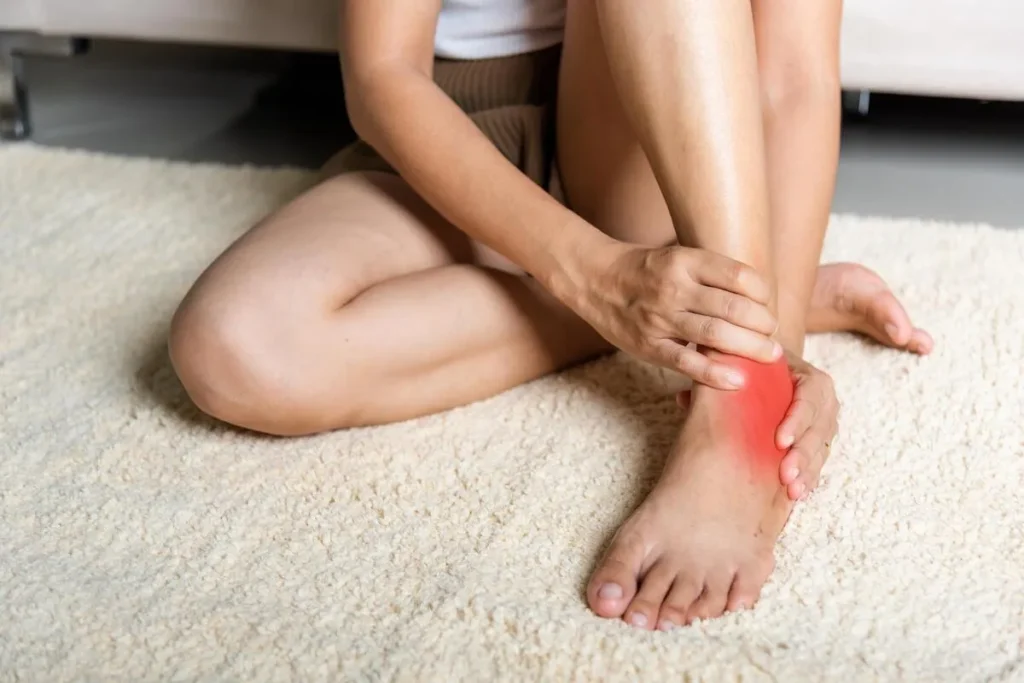
Muscle relaxants, also known as skeletal muscle relaxants, help relax muscles and ease pain. They are key in managing musculoskeletal issues.
What Are Muscle Relaxants?
Muscle relaxants are drugs that work on the central nervous system or directly on muscles. They help relieve muscle spasms, tension, and pain. Doctors often prescribe them for short-term musculoskeletal problems.
Common Types of Skeletal Muscle Relaxants
There are several types of skeletal muscle relaxants used:
Baclofen
Carisoprodol
Cyclobenzaprine
Dantrolene
Metaxalone
Methocarbamol
Orphenadrine
Tizanidine
Each type works differently and is chosen based on the condition and the patient’s history.
Are Muscle Relaxants Opioids?

It’s important to know the difference between muscle relaxants and opioids. Many people worry if muscle relaxants are opioids, given the opioid crisis.
Distinct Medication Classes with Different Mechanisms
Muscle relaxants and opioids are two different types of medicines. Muscle relaxants relax muscles by affecting the nervous system or muscle fibers. On the other hand, opioids work by binding to receptors in the brain and spinal cord to reduce pain.
Cyclobenzaprine and carisoprodol are muscle relaxants that affect the nervous system. Diazepam is a benzodiazepine that also relaxes muscles. Opioids like oxycodone and hydrocodone are mainly for pain relief.
Why These Medications Are Sometimes Prescribed Together
Even though they’re different, muscle relaxants and opioids are sometimes given together. This is for acute musculoskeletal pain. The muscle relaxant reduces spasms, and the opioid adds to the pain relief.
But, using them together can lead to serious side effects like breathing problems and overdose. Doctors must carefully consider the risks and benefits before prescribing them together.
Key Differences in Effects and Uses
Muscle relaxants and opioids have different effects and uses. Muscle relaxants are for short-term muscle spasms and not for long-term pain. Opioids are good for pain but can lead to addiction.
In summary, muscle relaxants and opioids are different medicines with unique actions and uses. Knowing these differences is key to safe and effective treatment.
Overdose Risks with Muscle Relaxants
The risk of overdose on muscle relaxers is a growing concern. These drugs are used to treat muscle spasms and pain. But, their misuse and overdose risk is real.
Potential for Overdose with Muscle Relaxants Alone
Muscle relaxants can cause overdose if taken in high doses or for too long. Central nervous system depression is a major risk. This can lead to drowsiness, confusion, and even respiratory failure.
The risk of overdose depends on the dose, how long you use it, and your body’s tolerance. It’s important to follow your doctor’s instructions and for doctors to watch how you’re using it.
Dangerous Interactions with Opioids
Using muscle relaxants with opioids increases the risk of overdose. Both types of drugs slow down the brain and can cause serious breathing problems. This can lead to coma or death.
Many people are prescribed both muscle relaxants and opioids, despite the dangers. This mix can make the brain’s depression effects worse.
Alarming Prescription Trends
More people are getting muscle relaxant prescriptions, which raises the misuse and overdose risk. This is worrying, as these drugs are often used with opioids.
Doctors should be careful when prescribing these drugs. They need to check patients thoroughly and watch how they’re doing. Patients should also know the dangers and tell their doctors about any problems or side effects.
Conclusion
It’s important to know the difference between muscle relaxants and opioids. They are used for pain but work in different ways. This knowledge helps keep you safe when taking medication.
The safety of muscle relaxants is a big worry. More people are getting prescriptions, and there’s a risk of overdose. This risk gets even higher when they’re taken with opioids.
Knowing the good and bad of muscle relaxants and opioids can help avoid overdoses. Always listen to your doctor about how to use these medicines. Doctors should also think carefully before prescribing them together.
By understanding the unique risks and benefits of these medicines, you can make better choices for your health. This helps lower the chance of overdose and ensures safe use of medications.
FAQ
Are muscle relaxants the same as opioids?
No, muscle relaxants and opioids are not the same. Muscle relaxants help with muscle spasms. Opioids are mainly for pain relief.
Can you overdose on muscle relaxants?
Yes, overdosing on muscle relaxants is possible. This can happen if you take too much or mix them with other substances like opioids or alcohol.
What are the risks of combining muscle relaxants with opioids?
Mixing muscle relaxants with opioids can be dangerous. Both can slow down breathing. This mix can cause serious problems, like coma or death.
What are some common muscle relaxants?
Common muscle relaxants include Flexeril, Soma, and Skelaxin. They help with muscle spasms and pain.
Why are muscle relaxants sometimes prescribed with opioids?
Doctors might give muscle relaxants with opioids to manage pain and spasms. But, this mix should be used carefully because of the risks.
How can I safely take muscle relaxants?
To safely take muscle relaxants, always follow the dosage your doctor gives you. Talk to your doctor about any other medications you’re taking. Be aware of the dangers of dependence and overdose.
What are the signs of a muscle relaxant overdose?
Signs of overdose include feeling very sleepy, confused, slurred speech, and trouble breathing. If you think you’ve overdosed, get help right away.
Can muscle relaxants be addictive?
Yes, some muscle relaxants, like carisoprodol, can be addictive. It’s important to only take them as directed by a doctor.
References
National Center for Biotechnology Information. Evidence-Based Medical Insight. Retrieved from https://pubmed.ncbi.nlm.nih.gov/35835561/





