
Many people take oxycodone and muscle relaxers together to manage pain. But, it’s important to know the risks. A study from the University of Florida College of Pharmacy found that using these drugs together for a short time is safe.
Yet, it’s key to get a doctor’s advice before mixing them. At GoldCity Center, they focus on the patient to manage pain safely and well.
Key Takeaways
Short-term use of muscle relaxants with oxycodone is generally considered safe.
Medical supervision is key when using these drugs together.
Patient-centered care is vital for managing pain effectively.
Knowing the risks helps make better health choices.
It’s important to think carefully about the drugs and how long you use them.
Understanding Opioids and Muscle Relaxants
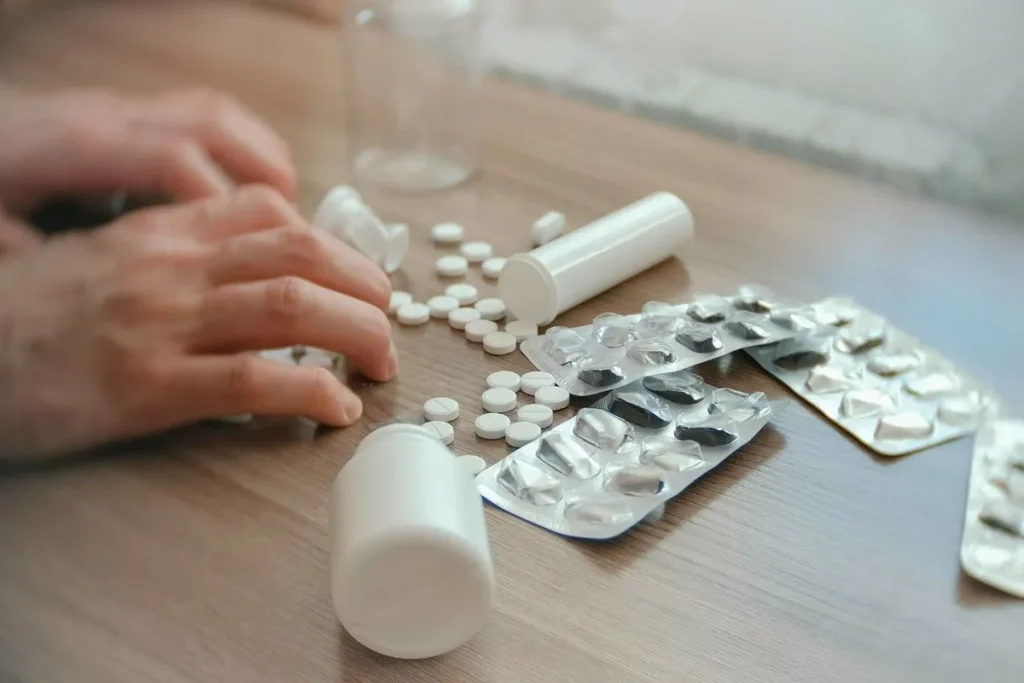
To understand the safety of mixing oxycodone with muscle relaxers, we need to know what they are and how they work. Oxycodone and muscle relaxants are used together to manage pain.
What is Oxycodone?
Oxycodone is a strong opioid medication for pain that’s moderate to severe. It changes how we feel pain by acting on the brain and spinal cord. It comes in different forms, like tablets or capsules.
Common Types of Muscle Relaxers
Muscle relaxers, or skeletal muscle relaxants, help with muscle pain and spasms. Cyclobenzaprine and carisoprodol are common ones. They work by calming the nervous system, which reduces muscle tension and pain.
Why These Medications Are Prescribed Together
Oxycodone and muscle relaxers are given together for complex pain issues. Oxycodone helps with pain, and muscle relaxers ease muscle spasms. But, mixing them can increase the risk of side effects.
Research Findings on Combined Use
[Add image here]
Recent studies have shown the dangers of mixing oxycodone and muscle relaxers. Using these medicines together is complex. Many factors affect how safe it is for patients.
University of Florida College of Pharmacy Study
A study by the University of Florida College of Pharmacy looked at patients on oxycodone and muscle relaxants. It found that short-term use might not raise risks much. But, long-term or high-dose combinations can cause serious health problems.
Short-Term vs. Long-Term Risk Assessment
The study compared short-term and long-term use of oxycodone with muscle relaxers. It showed that risks change over time. Short-term use is usually safe with doctor’s care. But, long-term use raises the risk of addiction and overdose.
High-Dose Opioid Combinations and Overdose Risk
The study found a big risk of overdose with high doses of oxycodone and muscle relaxers. This mix can cause respiratory depression, a serious condition. It’s important to watch doses closely when these medicines are used together.
In summary, the research highlights the need for medical supervision when using oxycodone with muscle relaxers. Patients should know the risks and benefits. This helps them make smart choices about their treatment.
Oxycodone and and and and the Muscle Relaxer Specific Interactions
Understanding how oxycodone and muscle relaxers work together is key for pain relief. The safety and how well they work depends on the muscle relaxer type.
Carisoprodol Combination Dangers
Carisoprodol is a muscle relaxer often prescribed. Mixing it with oxycodone can be risky. This mix can cause more sedation and slow down movement.
There’s also a higher chance of overdose and breathing problems when using both together.
People taking these drugs together should watch for too much sleepiness, dizziness, and confusion.
Cyclobenzaprine Safety Profile
Cyclobenzaprine is another muscle relaxer used for pain. It’s safer with oxycodone than carisoprodol. But, there’s a small risk of serotonin syndrome, a serious condition.
It’s vital for patients to tell their doctors about all their medications. This helps avoid bad drug reactions.
Conclusion: Medical Supervision and Safety Guidelines
When using oxycodone with muscle relaxers, medical supervision is key. This combo can cause bad reactions and raise the chance of overdose. Studies have shown this.
Following safety guidelines is vital. This means sticking to the right dosage, knowing about drug interactions, and watching for bad side effects.
Knowing the risks and benefits of oxycodone and muscle relaxer safety helps make smart choices. A healthcare professional’s guidance is essential. They help manage pain safely and keep patients healthy.
FAQ
Can you take a muscle relaxer with oxycodone?
It’s not wise to mix muscle relaxers with oxycodone without a doctor’s okay. This mix can lead to serious side effects like breathing problems, feeling very sleepy, and overdose.
Can you take muscle relaxers with painkillers?
Mixing muscle relaxers with painkillers like oxycodone is okay with a doctor’s watch. But, it’s important to weigh the risks and benefits and watch for any bad side effects.
Is it safe to take hydrocodone with a muscle relaxer?
Hydrocodone with a muscle relaxer is safe with a doctor’s care. Just make sure to stick to the right dose and know the risks, like feeling too sleepy and breathing issues.
Can you take Percocet with Flexeril?
Percocet and Flexeril together need a doctor’s okay. You should watch out for side effects like feeling very sleepy, confused, and the chance of overdose.
Can you take a painkiller with a muscle relaxer?
Taking a painkiller with a muscle relaxer is okay with a doctor’s care. But, be aware of the risks like feeling too sleepy, breathing problems, and overdose.
Can you take oxycodone with muscle relaxers?
Oxycodone with muscle relaxers can be safe with a doctor’s watch. It’s important to think about the risks and benefits and watch for any bad side effects.
What are the risks of taking oxycodone with a muscle relaxer?
Mixing oxycodone with muscle relaxers can lead to serious issues like feeling too sleepy, breathing problems, and overdose. But, with a doctor’s care and watching closely, these risks can be managed.
Can you take a muscle relaxer with hydrocodone?
Hydrocodone with a muscle relaxer is okay with a doctor’s care. It’s key to consider the risks and benefits and watch for any bad side effects.
References
National Center for Biotechnology Information. Evidence-Based Medical Insight. Retrieved from https://pubmed.ncbi.nlm.nih.gov/32017028/