

Injectable dermal fillers have changed the beauty world. They offer a luxury transformation for those wanting to look younger. Knowing how long these fillers last is key for planning your beauty goals.
How Long Do Face Fillers Last? Get the amazing facts on filler duration and discover the best ways to achieve an incredible, youthful look fast.
The time dermal fillers last can vary a lot. They can last from 6 months to 2 years. But, this range gets smaller when you know what affects it. Things like the type of filler, where it’s injected, how fast you metabolize, and your lifestyle play a role.
At GoldCity Center, you get timeless beauty with trusted care. Knowing what affects how long fillers last helps you make better choices for your beauty journey.
Key Takeaways
Dermal fillers can last anywhere from 6 months to 2 years.
The type of filler and injection site can impact duration.
Individual factors such as metabolism and lifestyle can influence longevity.
Understanding these factors can help you plan your aesthetic goals.
GoldCity Center offers trusted expertise and patient-centered care.
Understanding Different Types of Facial Fillers

The world of facial fillers is full of variety. Each type is made to tackle specific issues and look natural. These fillers have changed the cosmetic world, giving us many ways to add volume, smooth wrinkles, and shape faces.
Popular Dermal Filler Options
There are many dermal fillers out there, each with its own perks. Here are some of the most loved ones:
Hyaluronic Acid (HA) Fillers: HA fillers are safe and look natural. They hold moisture, making skin look smooth and full.
Calcium Hydroxylapatite Fillers (e.g., Radiesse): These fillers boost collagen and last longer. They’re great for deep lines and adding volume to cheeks and hands.
Poly-L-Lactic Acid Fillers (e.g., Sculptra): Sculptra encourages your body to make more collagen. It slowly adds volume, lasting up to 2-3 years.
How Fillers Work to Restore Volume
Dermal fillers fill in lost volume, smooth wrinkles, and shape faces. The right filler depends on what you need and want. For example, Hyaluronic acid fillers are perfect for lips and nasolabial folds. Calcium Hydroxylapatite fillers are better for deeper lines and adding volume.
How long fillers last varies by type, with some lasting up to 18 months or more. Knowing about the different fillers and their uses is important. It helps you get the look you want and enjoy a younger, brighter face.
How Long Do Face Fillers Last? Duration by Type
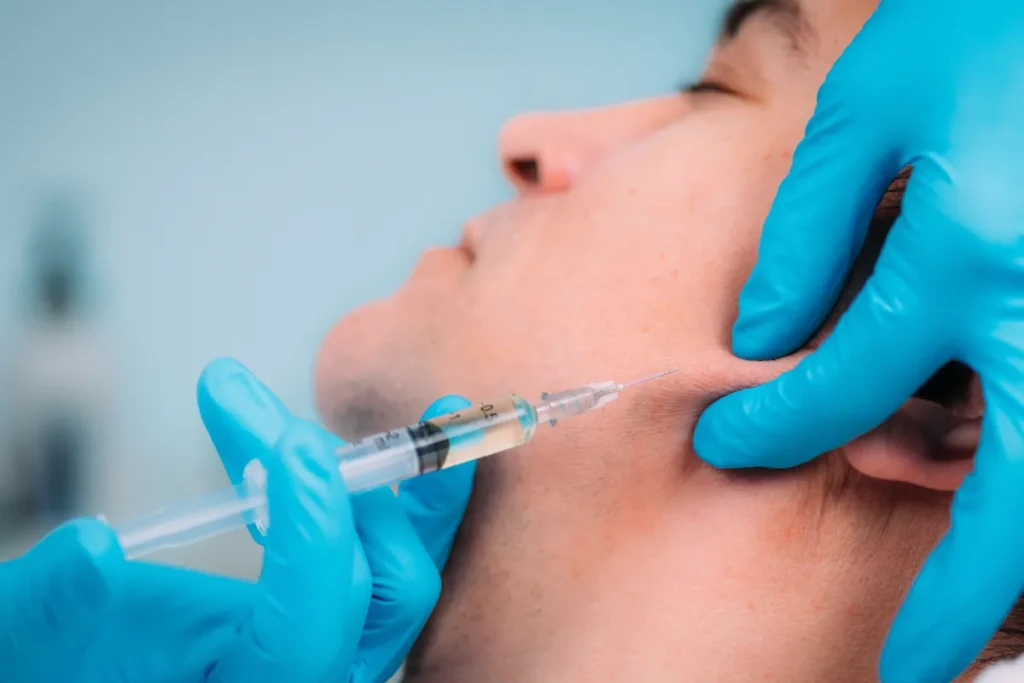
The time face fillers last changes a lot based on the type used. Each dermal filler has its own special properties. These properties affect how long they stay in the body.
Hyaluronic Acid Fillers: 6-18 Months
Hyaluronic acid fillers, like Juvederm and Restylane, are great for adding back facial volume and smoothing wrinkles. They usually last from 6 to 18 months. This depends on where they’re used and how fast your body breaks them down.
For example, hyaluronic acid fillers for lip augmentation might not last as long as those for nasolabial folds. The filler’s type and how it’s applied also play a role in how long it lasts.
Calcium Hydroxylapatite (Radiesse): 12-18 Months
Radiesse, a calcium hydroxylapatite filler, is known for lasting longer. It’s often used for deeper facial folds and volume loss. It can last 12 to 18 months.
Radiesse’s long-lasting effect comes from its ability to stimulate collagen production. This provides a longer-lasting fix for facial rejuvenation.
Poly-L-Lactic Acid (Sculptra): 2-3 Years
Sculptra, made from poly-L-lactic acid, boosts collagen production naturally. It’s used for deeper wrinkles and folds, and to restore volume. Its effects can last up to 2 to 3 years, making it a long-term fix for facial rejuvenation.
The different lifespans of these fillers can be seen in the table below:
Knowing how long different dermal fillers last helps people make better choices for their facial treatments. By picking the right filler, patients can get the results they want for their needs.
Factors That Influence Filler Longevity
Knowing what affects how long dermal fillers last is key to keeping results looking great. Many things can change how long fillers stay in your skin. Each one plays a big part in how long the effects last.
Treatment Area: High vs. Low Movement Zones
The face area treated with fillers affects how long they last. Places with lots of movement, like the mouth and lips, break down fillers faster. This is because of the muscles moving a lot. But, areas with less movement, like the cheeks, keep fillers longer.
High Movement Zones: Fillers in spots like the lips and nasolabial folds might last 6 to 12 months.
Low Movement Zones: Fillers in the cheeks can last up to 18 months or more.
Metabolism and Individual Factors
How fast you metabolize and personal factors also matter a lot. If you metabolize faster, your body might break down fillers quicker. This means you might need to get touch-ups more often.
Metabolic Rate: Faster metabolisms can make fillers last shorter.
Age: Older people might see fillers last longer because their metabolisms are slower.
Skin Type: Thicker skin can keep fillers longer than thinner skin.
Lifestyle Considerations for Extended Results
What you do in your daily life can also affect how long fillers last. By making a few changes, you can make your fillers last longer.
By understanding and managing these factors, you can make your dermal fillers last longer. This way, you can enjoy beautiful results for a longer time.
Conclusion
Knowing how long face fillers last is key to getting the look you want. The time they last depends on the type, where you get them, and your own health and habits.
For example, hyaluronic acid fillers can last from 6-18 months. Poly-L-lactic acid fillers can last up to 2-3 years. It’s important to know what to expect. The area treated and your metabolism also affect how long they last.
To make your fillers last longer, live a healthy lifestyle and follow the aftercare advice. This way, you can enjoy a beautiful glow for a longer time. So, how long do fillers last in your face? It depends on the right choice of filler, where you get it, and how well you take care of yourself after.
FAQ
How long do dermal fillers typically last?
Dermal fillers last from 6 months to 3 years. This depends on the type, where you got it, and your body.
What factors affect how long face fillers last?
Several things can change how long face fillers last. These include the type of filler, where you got it, and your lifestyle.
How long do HA fillers, like Juvederm, typically last?
HA fillers, like Juvederm, last 6 to 18 months. This can vary based on the product and where you got it.
What is the average duration of Radiesse fillers?
Radiesse fillers last about 12 to 18 months. Sometimes, they can last up to 2 years or more.
How long does Sculptra, a poly-L-lactic acid filler, last?
Sculptra fillers can last 2 to 3 years or more. They work by making more collagen, giving you long-term results.
Can I make my dermal fillers last longer?
Yes, you can make your fillers last longer. Stay healthy, avoid too much sun, and keep up with your skincare.
How does metabolism affect the longevity of dermal fillers?
Your metabolism affects how long fillers last. If you metabolize fast, they might not last as long.
Do dermal fillers work differently in various areas of the face?
Yes, where you get fillers matters. Areas that move a lot, like the lips, might need touch-ups more often.
Can I combine different types of fillers to achieve longer-lasting results?
Mixing fillers can work well. But, it’s best to talk to a pro to find the right mix for you.
How can I maintain optimal results after getting dermal fillers?
To keep your results looking great, stick to a skincare routine. Protect your skin from the sun and see your provider for follow-ups.
References
National Center for Biotechnology Information. Evidence-Based Medical Insight. Retrieved from