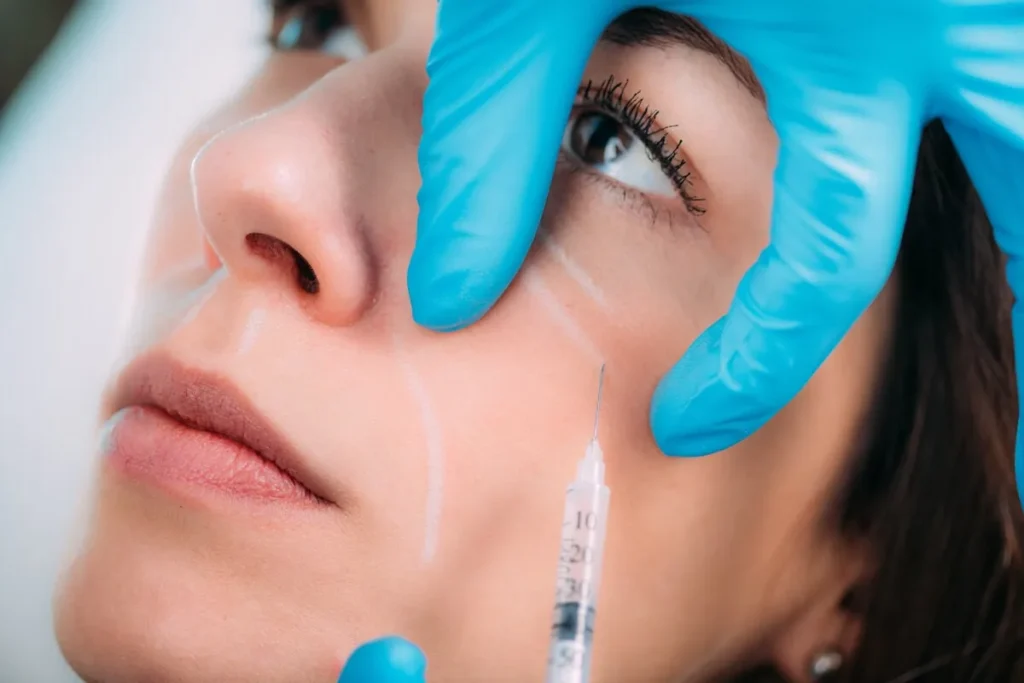
Cheek augmentation with dermal fillers is popular for adding volume and shaping the face. But, malar edema, or fluid buildup, is a big risk. Knowing why it happens and how to avoid it is important.
To avoid malar edema, it’s key to know how to do cheek filler treatments right. By using the right techniques and choosing the right fillers, doctors can lower the chance of this problem. The right approach to injecting fillers is also vital.
Key Takeaways
Understanding the anatomical basis of malar edema is key to avoiding it.
Using proven injection methods can lower the risk of malar edema.
Choosing the right filler is important to prevent malar edema.
Injecting strategically can help avoid fluid buildup.
Considering each patient’s needs is essential for good cheek filler results.
Understanding Malar Edema in Cheek Augmentation Dermal Fillers
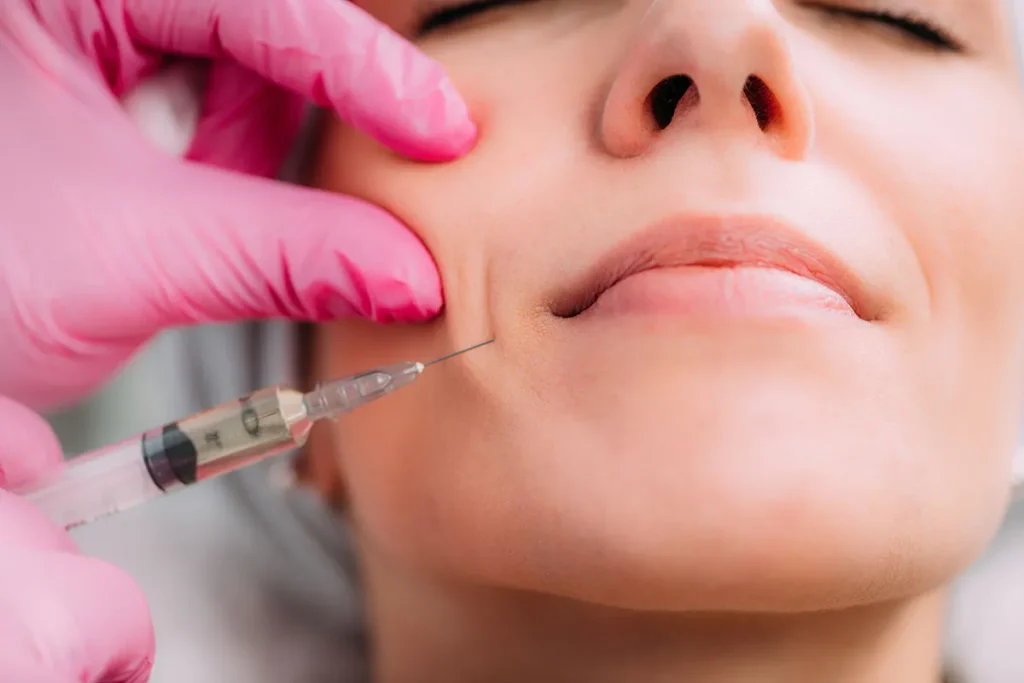
In the world of aesthetic medicine, malar edema is a common side effect of dermal fillers. It happens most often in cheek augmentation treatments. This condition causes swelling or puffiness in the malar area, affecting the treatment’s outcome.
Definition and Clinical Presentation
Malar edema is when fluid builds up in the malar region, causing swelling. This can make the facial contour less defined. It can show up as puffiness or swelling in the cheeks, sometimes on one side or both.
Key characteristics of malar edema include:
Puffiness or swelling in the malar area
Less defined facial contour
Possible discomfort or heaviness in the cheeks
Prevalence and Significance in Aesthetic Medicine
Malar edema happens in about 11 to 25 percent of tear trough filler treatments. The exact rate depends on how the filler is injected and what type is used. This condition is important in aesthetic medicine because it can lower patient satisfaction and affect the treatment’s success.
Impact on Patient Satisfaction and Treatment Outcomes
Malar edema can greatly affect patient satisfaction by changing the expected results. The swelling can make patients feel less confident, impacting their quality of life. Managing malar edema well is key to achieving the best treatment outcomes and keeping patients happy.
Understanding malar edema’s causes and presentation is vital for aesthetic practitioners. It helps them provide the best care and achieve the desired results.
Anatomical Basis for Malar Edema Development
Understanding the midface’s anatomy is key to knowing how malar edema happens. The midface has many structures that work together. They keep our face looking good and working right.
The Role of the Malar Septum in Fluid Dynamics
The malar septum is a strong fascial barrier. It splits the infraorbital area into two parts. This structure is important for how fluids move in the midface. When lymphatic drainage is blocked in the top part, fluid builds up and edema lasts longer.
Lymphatic Drainage Pathways in the Midface
Lymphatic drainage keeps fluid balance in the face. The midface has a network of lymphatic vessels. These vessels drain into lymph nodes. Good lymphatic drainage stops fluid buildup and edema. Dermal fillers can mess with this balance, causing malar edema.
How Filler Placement Affects Fluid Accumulation
Where dermal fillers are placed matters a lot in the midface. Fillers placed too high can block lymphatic drainage. This leads to fluid buildup and long-lasting edema. It’s important for doctors to know about malar edema’s anatomy to avoid problems. As one expert says,
Patient Assessment and Risk Factor Identification
To prevent malar edema, a detailed patient assessment is key. This approach helps healthcare providers tailor treatments to each patient. It reduces the risk of complications.
Pre-existing Conditions That Increase Edema Risk
Some conditions raise the risk of malar edema after cheek fillers. These include lymphedema and autoimmune disorders. Also, facial trauma or past cosmetic procedures can increase risk.
Physical Examination Techniques for Risk Evaluation
A detailed physical exam is vital for assessing malar edema risk. It checks the malar region’s look and feel. Healthcare providers look for lymphedema signs and facial tissue health.
Medical History Elements That Warrant Caution
A full medical history is important for spotting risk patients. Look for allergies or sensitivities to fillers, past bad reactions, and ongoing treatments. These can affect healing or raise edema risk.
By carefully looking at patient risks and conditions, healthcare providers can make smart choices. This ensures the best results for their patients.
Conclusion: Best Practices for Malar Edema Prevention
To prevent malar edema, a detailed approach is needed. This includes careful patient checks, understanding the condition’s anatomy, and precise filler use. By following best practices, doctors can lower the risk of malar edema. This ensures successful cheek augmentation with dermal fillers.
Prevention starts with a thorough patient check and identifying risks. It also involves careful filler placement. Knowing the risks and acting early helps reduce malar edema. This leads to natural-looking results that make patients happy.
By using these best practices, doctors can improve patient results. They create a safe and excellent environment. This journey leads to lasting beauty and confidence.
FAQ
What is malar edema?
Malar edema is when fluid builds up on the cheeks. It can last more than a month after getting cheek fillers.
What causes malar edema after cheek filler?
It can happen due to allergies, systemic conditions, or after cosmetic treatments. The way fillers are placed can also affect it.
How can malar edema be prevented?
To prevent it, doctors need to carefully evaluate patients. They must understand the condition and place fillers wisely. This helps lower the risk.
What are the risk factors for developing malar edema?
Certain health issues or allergies can raise the risk. A detailed medical history and physical check can spot these risks.
How does filler placement affect the risk of malar edema?
Injecting fillers too close to the malar septum can block lymphatic drainage. This leads to fluid buildup and swelling. Knowing the anatomy and placing fillers carefully can reduce this risk.
Can malar edema be treated?
Yes, it can be treated. A proper diagnosis is key. While prevention is best, there are treatments available. A healthcare provider can suggest the best one.
How common is malar edema after cheek filler?
It’s a common side effect of cheek fillers. Understanding it is important for better patient care and outcomes.