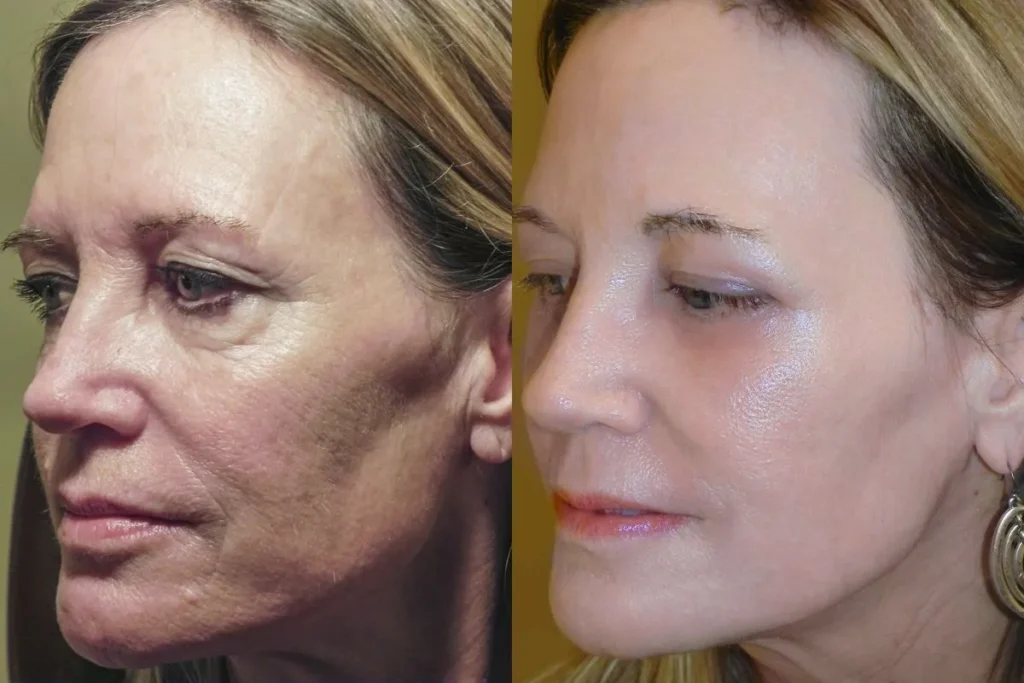
Do fillers ruin your face? Uncover the truth about “pillow face” and learn how to achieve beautiful results without causing any damage.
Dermal fillers have become increasingly popular. In 2023, 6.2 million procedures were done, with over 17,000 fillers used every day. But, this rise has also brought up worries about pillow face. This is when the face looks too puffy and unnatural.
Medical Expert, a cosmetic surgeon, says “Pillow face occurs when fillers are put too close to the skin’s surface. This makes the skin look uneven and bloated.” To get a natural-looking result and avoid pillow face, it’s key to know the risks and how to lessen them.
By picking a qualified provider and learning the right techniques, you can unlock your inner glow. You’ll get a luxury transformation that looks and feels amazing.
Key Takeaways
Understand the risks associated with dermal fillers
Choose a qualified provider to administer fillers
Learn how to avoid pillow face and filler damage
Understand the importance of proper technique
Achieve natural-looking results with dermal fillers
Understanding Pillow Face Syndrome

Dermal fillers are getting more popular, but so is pillow face syndrome. This condition makes your face look too smooth and puffy. It’s not just about looks; it also makes people worry about the safety and effectiveness of these treatments.
Causes of the Puffy, Bloated Appearance
The main reasons for pillow face syndrome include overusing fillers, bad injection techniques, wrong placement depth, and filler migration. If fillers are not used carefully, they can make your face look unnatural and less beautiful.
Too much filler can make your face look swollen. Bad technique can cause the filler to spread unevenly or move. Knowing these risks is important for both doctors and people thinking about getting fillers.
The Alarming Statistics: 6.2 Million Procedures Annually
The numbers on dermal filler procedures are eye-opening. Over 6.2 million procedures happen every year. This means there’s a big chance of side effects like pillow face syndrome.
The V-Lift technique might help. It places fillers or biostimulators on the sides of your face. This could give you a natural look without the puffy face problem.
Do Fillers Ruin Your Face? Common Causes of Damage

Looking for a perfect face can sometimes go wrong with fillers. Dermal fillers are popular for making faces look younger. But, they can cause problems if not used right. Knowing what can go wrong is key to avoiding risks and getting good results.
Overuse and Excessive Volume Issues
Too much filler can make your face look unnatural. Injecting too much in places like cheeks and lips can distort your face. This can even cause a ‘pillow face,’ making you look puffy.
Improper Injection Techniques and Placement
How and where you get fillers injected matters a lot. Medical Expert’s all about precise placement to avoid problems. Bad techniques can lead to unevenness and other issues. It’s important to pick a skilled doctor who knows how to do it right.
Filler Migration and Water Retention Problems
Filler migration happens when the filler moves from where it was put. This can cause bumps and unevenness. Water retention is another problem, making your face swell. Knowing about facial anatomy and filler types can help avoid these problems.
Knowing the risks of dermal fillers helps you make better choices. It’s about finding the right balance to enhance your look without losing your natural beauty.
Prevention Strategies for Filler Complications
To avoid puffy filler face and pillow face fillers, start with the right provider. It’s key to know facial anatomy and risks. This knowledge helps prevent issues.
Choosing a Qualified Provider
Finding a skilled provider is the first step against too much filler face. A good practitioner knows how to balance facial features. They aim for a natural look.
When looking for a provider, check for:
Board certification in dermatology or plastic surgery
Extensive experience with dermal fillers
Before-and-after photos
Patient testimonials and reviews
A trusted provider will listen to your goals. They’ll advise on the best treatments and risks. This ensures you’re well-informed.
Understanding High-Risk Facial Areas
Some face areas are more likely to have filler issues. Knowing these high-risk areas helps avoid problems. Here’s a table showing some areas and risks:
Less-is-More Approach to Fillers
Using a less-is-more method with fillers is key. Start with small amounts and add more if needed. This way, you control the results better.
Experts say, “you can always add more filler, but it’s much harder to dissolve it once it’s in.” This careful approach leads to natural, subtle results.
By picking a qualified provider, knowing high-risk areas, and being cautious with fillers, you can lower the risk of complications. This includes avoiding pillow face.
Conclusion: Balancing Beauty and Safety with Fillers
Getting a natural, youthful look with dermal fillers is all about balance. It’s key to know the risks and how to avoid them. This way, you can steer clear of “pillow face syndrome” and other problems.
Medical Expert, a skilled cosmetic and reconstructive surgeon, stresses the need for expertise. He says choosing a qualified provider and using less filler can help. This approach helps avoid a puffy or unnatural look.
Do fillers ruin your face? No, if done right. Being informed and careful lets you enjoy fillers’ benefits. You can keep your face looking radiant and natural. Make sure to prioritize your safety and beauty for a successful treatment.
FAQ
What is pillow face, and how is it related to dermal fillers?
Pillow face is a puffy look that can happen from using too much dermal filler. It might also come from bad injection methods or when the filler moves.
Can too much filler cause long-term damage to my face?
Yes, using too much filler can cause problems like the filler moving, water buildup, and a fake look. It’s important to use less and choose a skilled provider.
How can I avoid getting a “pillow face” from dermal fillers?
To avoid pillow face, pick a good provider, know the high-risk areas, and use fillers wisely. This way, you’ll get natural results and avoid bad side effects.
What are the risks associated with dermal filler procedures?
Dermal fillers can lead to issues like using too much, bad injection skills, filler moving, and water buildup. Knowing these risks and how to avoid them is key.
How do I know if I’m a good candidate for dermal fillers?
To see if fillers are for you, talk to a skilled provider. They’ll look at your face and talk about what you want. They’ll decide if fillers are a good choice for you.
Can dermal fillers be used to achieve a natural-looking result?
Yes, fillers can look natural if done right. A good provider will place them carefully and use the right technique. This way, your features will look better and your face will stay balanced.
What is the V-Lift technique, and how can it help?
The V-Lift is a way to get natural results with fillers. It means placing them just right and adding a bit to look younger and more defined.
How can I find a qualified provider for dermal filler treatments?
To find a good provider, look for well-known clinics, read what others say, and ask for recommendations. Make sure your provider is experienced and has a good track record.
What are the signs of too much filler or filler complications?
Too much filler or problems can show as a puffy face, uneven looks, and pain. If you notice these, talk to your provider right away.
Can I reverse or correct dermal filler complications?
Sometimes, filler problems can be fixed. Talk to your provider about what to do next and how to fix it.